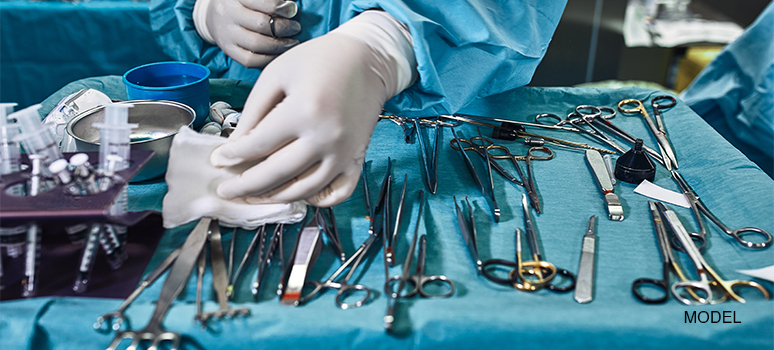
Introduction: Why Surgery Equipment Matters More Than Ever
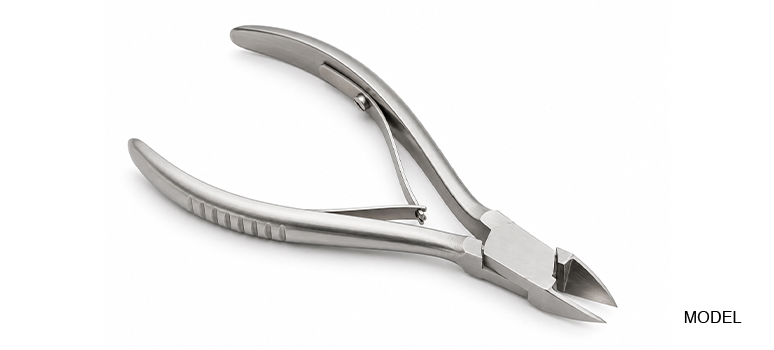
Surgical success does not rely on the skill of the surgeon alone; it depends equally on the quality, precision, and reliability of the surgery equipment being used. Whether it’s a life-saving open-heart procedure, a delicate neurosurgery, or a routine outpatient operation, the instruments in the hands of a skilled medical professional play a decisive role in patient outcomes.
The global demand for medical equipment has grown rapidly as healthcare technology advances, and hospitals, clinics, and surgical centers continue to invest in reliable tools that enhance both safety and efficiency. Yet, with so many options available, many healthcare providers struggle to determine which surgical instruments and surgery tools are essential, how to maintain them, and where to source the most dependable products.
A Brief History of Surgery Equipment
The journey of surgical instruments spans centuries, evolving from rudimentary sharpened stones used in ancient civilizations to today’s cutting-edge robotic systems.
- Ancient Times: Archaeologists have discovered primitive scalpels, forceps, and bone saws dating back thousands of years.
- Middle Ages: Advancements in metallurgy led to more durable and reusable tools, though still limited in precision.
- 19th Century: The introduction of anesthesia and antiseptics revolutionized surgery, creating the demand for more refined and specialized instruments.
- Modern Era: Today, innovations like laparoscopic instruments, laser tools, and robotic surgery systems are pushing the boundaries of what’s possible in medicine.
Understanding this evolution helps us appreciate how far surgery equipment has come and why precision-engineered tools are crucial in today’s operating rooms.
Types of Surgery Equipment Every Healthcare Facility Needs
When discussing medical equipment, it’s important to distinguish between general hospital devices and specialized surgery tools. Below are the main categories of surgical instruments:
1. Cutting and Dissecting Instruments
These are the backbone of surgical procedures, allowing surgeons to make precise incisions.
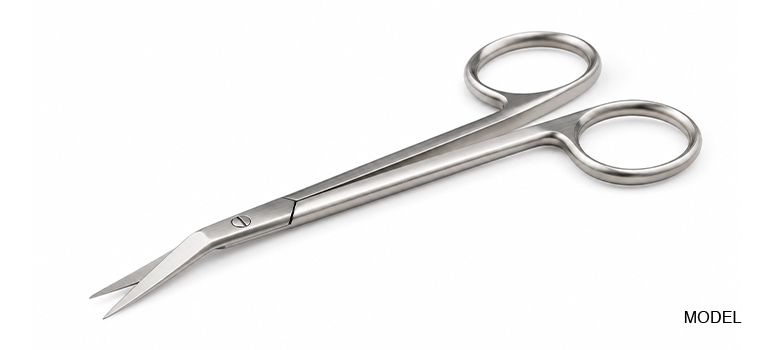
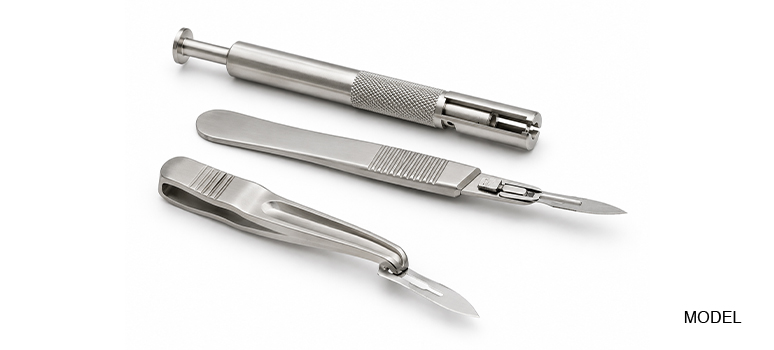
- Examples: Scalpels, surgical scissors, bone saws.
- Application: Used in virtually every type of surgery, from plastic surgery to orthopedic operations.
2. Clamping and Occluding Instruments
These surgery tools control bleeding and maintain visibility during procedures.
- Examples: Hemostats, vascular clamps, bulldog clamps.
- Application: Essential in trauma and cardiovascular surgery.
3. Retracting and Exposing Instruments
Retractors hold back tissues, organs, or bones, giving the surgeon better access to the operative field.
Examples: Senn retractors, Weitlaner retractors, self-retaining retractors.
4. Grasping and Holding Instruments
These instruments secure tissue or objects during an operation.
- Examples: Forceps, needle holders, towel clamps.
5. Suturing and Stapling Instruments
Closing incisions quickly and securely is vital for wound healing and infection prevention.
- Examples: Needle drivers, surgical staplers, ligature devices.
6. Suctioning and Aspirating Instruments
Maintaining a clear field of vision is critical during surgery.
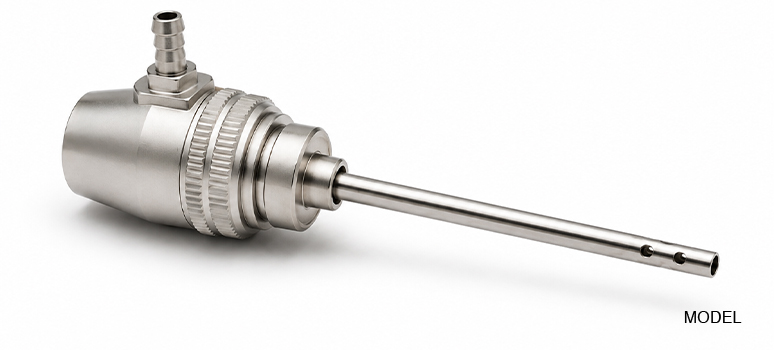
- Examples: Yankauer suction tips, Poole suction tubes.
7. Specialized and Advanced Instruments
With advancements in technology, minimally invasive and robotic tools have become increasingly popular.
- Examples: Endoscopes, laparoscopic scissors, robotic-assisted surgical devices.
Each category represents a vital component of the surgical toolkit, and healthcare facilities must carefully select surgery equipment that matches their specialties and patient needs.
The Role of Medical Equipment in Surgical Precision
While surgical instruments are central to the procedure, they work hand in hand with other medical equipment that supports surgical efficiency and patient safety.
- Anesthesia Machines – Ensure patient comfort and safety throughout procedures.
- Operating Tables – Adjustable and designed for versatility across specialties.
- Surgical Lights – High-intensity illumination reduces shadows and improves visibility.
- Electrosurgical Units – Allow surgeons to cut and coagulate tissue with minimal blood loss.
- Monitoring Devices – Track vital signs in real time during surgery.
By integrating the right combination of surgery tools and supporting medical equipment, surgical teams can achieve optimal results and minimize complications.
Why Quality Matters: Risks of Poorly Made Surgery Tools
The consequences of using substandard or poorly maintained surgical instruments can be severe:
- Increased Risk of Infection: Tools that corrode or fail sterilization protocols put patients at risk.
- Inaccurate Results: Blunt scissors or poorly designed clamps compromise surgical precision.
- Extended Operating Time: Malfunctioning tools delay procedures, increasing risks for patients under anesthesia.
- Higher Costs: Frequent replacements and repairs of low-quality tools add unnecessary expenses.
This is why choosing a trusted supplier like Robbins Instruments, known for precision-engineered and reliable surgery equipment, is crucial for healthcare facilities worldwide.
Robbins Instruments: A Trusted Partner in Surgery Equipment
For decades, Robbins Instruments has been a leader in supplying high-quality surgical instruments and surgery tools that meet the rigorous demands of modern medicine.
What Sets Robbins Instruments Apart?
- Precision Engineering: Every instrument is crafted with meticulous attention to detail.
- Durability: Designed to withstand repeated sterilization and long-term use.
- Innovation: Robbins continually invests in advanced manufacturing technologies.
- Global Trust: Hospitals and surgical centers worldwide rely on Robbins for their medical equipment needs.
From general surgery to specialized fields like plastic surgery, neurosurgery, and orthopedics, Robbins Instruments provides comprehensive solutions tailored to professional demands.
Best Practices for Handling and Maintaining Surgery Equipment
Owning high-quality surgery tools is only part of the equation; proper care and maintenance are equally essential.
- Sterilization Protocols
- Follow manufacturer guidelines for autoclaving, chemical disinfection, or ultrasonic cleaning.
- Regular Inspections
- Check for signs of wear, rust, or mechanical failure before every procedure.
- Proper Storage
- Use instrument trays or dedicated cabinets to prevent damage.
- Staff Training
- Ensure surgical staff are trained in handling delicate instruments properly.
- Scheduled Replacements
- Even the best surgical instruments have a lifespan. Replace tools before they compromise patient safety.
These practices extend the life of your surgery equipment while safeguarding patients and improving operational efficiency.
The Future of Surgery Equipment: Trends to Watch
Healthcare technology continues to push boundaries, and surgical instruments are no exception. Some exciting trends shaping the future include:
- Robotic Surgery: Enhancing precision and minimizing invasiveness.
- AI Integration: Tools equipped with artificial intelligence to assist surgeons in real-time.
- Smart Surgical Tools: Instruments with built-in sensors for data tracking.
- Biodegradable Devices: Eco-friendly materials designed for single-use scenarios.
- 3D Printing: Custom-made tools tailored to specific patients or procedures.
These innovations hold promise for transforming surgery into an even safer, more efficient, and highly personalized medical practice.
Conclusion: Choosing the Right Surgery Equipment for Success
The importance of reliable surgery equipment cannot be overstated. From simple scalpels to advanced robotic tools, every instrument plays a vital role in ensuring surgical precision, patient safety, and positive outcomes. Investing in high-quality medical equipment and maintaining it properly is one of the best decisions any healthcare facility can make.
For hospitals, surgical centers, and clinics worldwide, Robbins Instruments stands as a trusted partner delivering the innovation, precision, and dependability needed in today’s complex surgical environment.
Whether you’re equipping a new operating room or upgrading existing tools, choosing the right surgical instruments today will define the quality of care your patients receive tomorrow.
FAQS
1. What is the difference between surgical instruments and medical equipment?
Surgical instruments are specialized tools like scalpels, forceps, and scissors used directly in procedures, while medical equipment includes supporting devices such as anesthesia machines and surgical lights.
2. How often should surgery tools be replaced?
Replacement depends on usage, but routine inspections and adherence to sterilization guidelines are essential. Worn or damaged instruments should be replaced immediately.
3. Can low-quality instruments really impact patient outcomes?
Yes. Poorly made or damaged surgical instruments can increase infection risk, prolong operating time, and reduce surgical accuracy.
4. Why should I choose Robbins Instruments for my surgical equipment?
Robbins Instruments is trusted worldwide for its precision, durability, and innovation, making it a preferred choice for healthcare providers.
5. What’s the most important factor when selecting surgery equipment?
Quality and reliability should be top priorities. Choosing tools from reputable suppliers like Robbins ensures patient safety and better outcomes.