Investing in Precision: The Importance of High-Quality Veterinary Surgical Instruments
Introduction
In veterinary medicine, precision, safety, and efficiency are non-negotiable. Whether performing a routine spay procedure or a complex orthopedic reconstruction, the quality and condition of your tools can contribute to procedural efficiency, precision, and patient safety. Appropriately selected and maintained veterinary surgical instruments can support consistent handling, efficient workflows, and appropriate patient care.
Must-Have Veterinary Surgical Instruments
Equipping your operating room with specialized surgical instruments is foundational for clinical success.
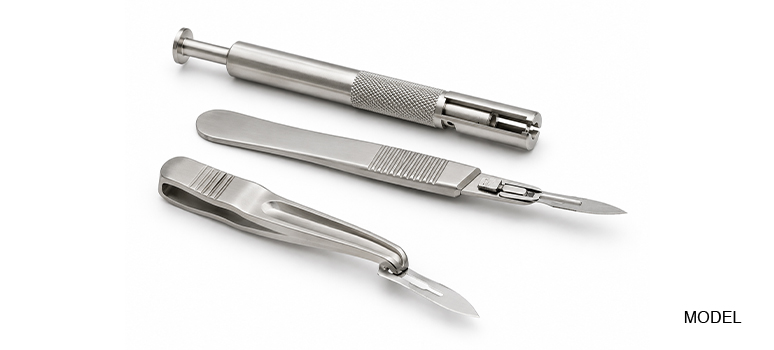
- Scalpels & Blades: Precision instruments designed to support clean, controlled incisions across different surgical applications.
- Forceps: Used for grasping and stabilizing tissue, with different designs suited to specific surgical applications. Options include tissue forceps, dissecting forceps, and specialized locking hemostatic forceps.
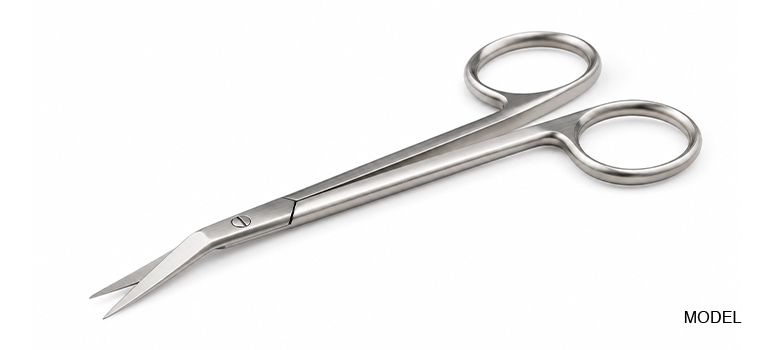
- Surgical Scissors: Available in different configurations and edge designs for cutting delicate tissue, fascia, sutures, and other surgical materials.
- Needle Holders: Equipped with secure locking ratchets to maintain firm control over needles during suturing.
- Retractors: Help provide appropriate exposure of the operative field during procedures.
- Orthopedic Tools (Drills & Saws): Instruments designed for procedures involving bone resection, fracture repair, and orthopedic fixation.
Best Practices for Instrument Care and Sterilization
Proper instrument care requires a consistent maintenance and reprocessing protocol. This helps preserve cutting performance, reduce corrosion, and support appropriate patient care.
- Immediate Decontamination: Begin instrument cleaning as soon as practical after use, following the instrument manufacturer’s instructions and your facility’s reprocessing protocols.
- Ultrasonic Cleaning: When appropriate for the instrument, ultrasonic cleaning with a compatible detergent can help remove debris from joints and other difficult-to-clean areas.
- Inspection & Lubrication: Regularly check for alignment, dullness, or pitting. For hinged instruments that require lubrication, apply a manufacturer-approved water-soluble instrument lubricant before sterilization.
- Sterilization: Prepare hinged instruments according to the manufacturer’s instructions and sterilize using the validated parameters appropriate for the instrument and sterilization system.
Specialty Instruments by Clinical Discipline
| Specialty Field | Primary Tools Used | Key Clinical Benefit |
| Ophthalmology | Corneal spatulas, iris hooks, microsurgical forceps | Supports precise handling of delicate ocular structures |
| Orthopedics | Bone saws, surgical drills, osteotomes, plate benders | Supports procedures involving bone and orthopedic fixation |
| Soft Tissue | Fine-tipped hemostats, Metzenbaum scissors, vessel clips | Supports tissue handling and vascular bleeding control |
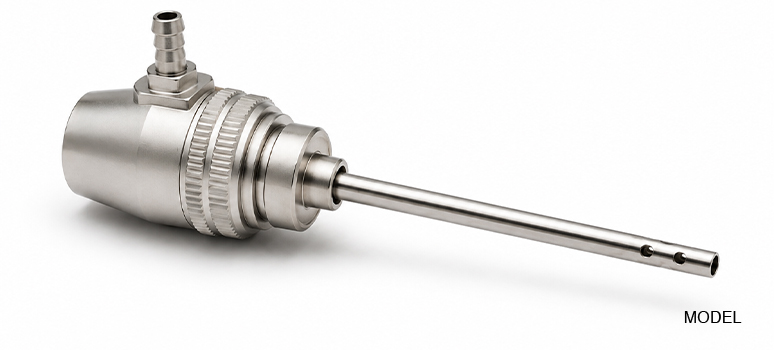
| Endoscopy | Flexible endoscopes, biopsy forceps, snare devices | Minimally invasive diagnostic access and tissue sampling |
How to Choose the Right Instruments for Your Practice
Selecting the right tools involves balancing clinical demands with ergonomics:
- Match Patient Size: Choose instrument size and configuration according to the species, patient size, anatomy, and procedure.
- Material & Construction: Select surgical-grade stainless steel or other appropriate materials based on the instrument’s intended use, durability requirements, and sterilization conditions.
- Ergonomics & Feel: Select instruments that offer balanced weight distribution and comfortable grips that may help reduce fatigue during lengthy procedures.
Explore veterinary surgical instruments and surgical packs from Robbins Instruments.
Frequently Asked Questions
1. What is the difference between human and veterinary surgical instruments?
While many fundamental designs are shared, veterinary instruments are available in a wider range of sizes and configurations to accommodate different species, patient sizes, anatomical structures, and procedures.
2. How often should veterinary surgical scissors be sharpened?
Sharpening frequency depends on usage, instrument condition, cutting performance, and manufacturer recommendations. Instruments should be inspected regularly and professionally sharpened when performance begins to decline. Dull scissors may require greater force and can compromise cutting performance and tissue handling.
3. Why is stainless steel grade important for veterinary tools?
The stainless steel or other material used in a surgical instrument affects its durability, corrosion resistance, maintenance requirements, and performance during repeated cleaning and sterilization. Material selection should match the instrument’s intended use and reprocessing requirements.
4. Can I use household or industrial cleaners on surgical tools?
Household or industrial cleaners should generally not be used unless specifically approved by the instrument manufacturer. Some cleaners may contain chemicals or abrasives that can damage instrument surfaces or affect corrosion resistance. Use cleaning products recommended for surgical instruments and follow the manufacturer’s reprocessing instructions.
5. What causes rust spots on newly autoclaved surgical instruments?
Instrument staining or spotting can result from mineral deposits, inadequate cleaning, residual chemicals, or issues with water quality during reprocessing. Following the sterilizer and instrument manufacturer’s water-quality and maintenance recommendations can help reduce these problems.