Elevate Your Craft with Innovative Titanium Coated Hair Restoration Punches
Introduction: The Quest for Precision in Hair Transplant Surgery
Hair restoration surgery has rapidly evolved, with modern techniques like Follicular Unit Extraction (FUE) demanding greater precision than ever before. Today’s surgeons rely on advanced tools to improve accuracy, minimize trauma, and deliver superior patient outcomes.
At the center of every successful FUE procedure is one critical instrument: the hair restoration punch.
But what makes one punch better than another? And why are titanium coated hair restoration punches becoming the preferred choice among top surgeons?
In this comprehensive guide, we’ll demystify the world of hair restoration punches, explore the benefits of titanium coated hair restoration punches, and showcase why Robbins Instruments is trusted by professionals worldwide for premium surgical solutions. Whether you’re a seasoned surgeon or new to hair restoration, this article is designed to equip you with expert insight, actionable tips, and a deeper understanding of your tools all optimized for performance and ranking on Google.
Understanding Hair Restoration Punches: Your Gateway to Precision Surgery
A hair restoration punch is a precision surgical instrument used during FUE procedures to extract individual follicular units from the donor area.
How Hair Restoration Punches Work
- Circular cutting edge gently surrounds and disengages follicular units.
- The surgeon applies controlled pressure with precision to target individual hairs.
- Ideally, the instrument conserves surrounding tissue for optimal healing.
Used correctly, these punches enable minimal scarring, faster recovery, and enhanced graft survival. But not all punches are created equal and this is where innovation plays a monumental role.
The Evolution of Hair Restoration Punch Technology
The journey from primitive extraction tools to today’s high‑performance instruments is one of continuous refinement:
Early Tools
- Basic manual punches
- Limited surface coating
- Higher risk of follicle damage
Modern Advancements
- Specialized materials (e.g., stainless steel, titanium)
- Ergonomic designs for surgeon comfort
- Precision manufacturing for consistent cutting edges
Among these improvements, one leap stands out: titanium coating.
Why Titanium Coated Hair Restoration Punches Are a Game‑Changer
If you’ve been searching for the best hair restoration punches, you’ve likely come across titanium coated hair restoration punches. But what makes them so special?
Superior Strength and Durability
Titanium is a metal known for its exceptional strength–to‑weight ratio meaning punches coated with titanium are extremely durable without becoming heavy or unwieldy.
- Resists wear and tear
- Maintains edge sharpness
- Ideal for high‑volume procedures
This translates to longer usable life and consistent performance.
Reduced Friction and Smooth Cutting
The titanium layer reduces friction between the punch and skin, leading to:
- smoother penetration
- lower tissue trauma
- fewer follicular injuries
Less trauma means higher graft survival and faster healing, a major advantage for patient satisfaction.
Enhanced Corrosion Resistance
Titanium naturally resists oxidation and corrosion, helping ensure:
- longevity of instruments
- consistent sterility
- safer surgical environments
All of this contributes to the titanium punch’s reputation as a top rated hair restoration punches option among professionals.
Top Rated Hair Restoration Punches: What Sets Them Apart
Not all punches, even titanium‑coated ones, deliver the same results. When identifying the top rated hair restoration punches, surgeons often prioritize the following features:
1. Precision‑Engineered Edges
- Smooth, burr‑free rims ensure gentle tissue engagement.
- Sharp edges minimize drag on follicles.
2. Consistent Diameter Across Units
Uniform sizing enables:
- predictable extraction depth
- better control over donor scars
- improved graft consistency
3. Ergonomic Handles
Surgeons may perform hundreds of punches in a session. Comfortable grips reduce hand fatigue and improve accuracy.
4. Balanced Weight Distribution
When properly balanced, a punch becomes an extension of the surgeon’s hand yielding more stability and confidence.
5. Brand Reputation and Manufacturing Standards
Industry professionals look for trusted manufacturers like Robbins Instruments, known for surgical excellence, innovation, and strict quality assurance.
These combined qualities define what truly makes the best hair restoration punches for clinical use.
A Closer Look at Best Practices for Using Hair Restoration Punches
Even the highest‑quality punches demand expert technique. To help surgeons get the most from their tools, here are key best practices:
Use at the Correct Angle
Hair follicles have natural emergence angles. Misalignment during extraction increases transection risk. The ideal technique:
- follows follicle angle
- minimizes lateral stress
- protects follicle integrity
Maintain a Controlled Rhythm
Too fast = more trauma. Too slow = tissue compression. A steady pace optimizes tissue response.
Inspect Punches Frequently
Check for dulling or deformation. Swapping out a compromised punch can prevent unnecessary graft damage.
Pair with Proper Visualization and Lighting
Good lighting and magnification help surgeons:
- track follicle orientation
- avoid damage
- enhance precision
Prioritize Sterility
Follow strict sterilization protocols especially when titanium coatings are involved to maintain patient safety.
When surgical technique aligns with superior tools, results improve dramatically.
Why Robbins Instruments is the Surgeon’s Choice
Professional hair restoration demands tools you can depend on and Robbins Instruments delivers exactly that.
Craftsmanship Meets Innovation
Robbins Instruments blends meticulous manufacturing with cutting‑edge materials such as titanium coatings. Their instruments are:
- precision machined for accuracy
- ergonomically designed for comfort
- rigorously tested for performance
Commitment to Surgical Excellence
Surgeons choose Robbins Instruments because:
- they value consistency
- they expect durability
- they require instruments they can trust in every case
It’s no surprise that many practitioners consider their punches among the top rated hair restoration punches available today.
How to Choose the Right Hair Restoration Punch for Your Practice
In a market full of options, choosing the best hair restoration punches can feel overwhelming. Here’s a quick guide to help streamline your decision:
Assess Your Surgical Style
- Blade vs. circular punches
- Manual vs. motor‑assisted punches
Match the tool to your method.
Consider Material and Coating
Titanium coated punches offer:
- longer life span
- smoother extraction
- reduced follicle damage
These characteristics make them a smart long‑term investment.
Evaluate Brand Reputation
Look for brands with:
- tested performance history
- positive surgeon feedback
- consistent manufacturing standards
Robbins Instruments consistently ranks at the top of all three.
Cost vs. Value
Higher upfront cost may be offset by:
- durability
- fewer replacements
- better surgical outcomes
Quality tools can improve both efficiency and patient satisfaction.
Beyond the Punch: Supporting Tools for Better Hair Restoration Results
While hair restoration punches are key, optimal outcomes rely on a suite of surgical instruments, including:
- Forceps for graft handling
- Magnification and lighting systems
- Motor units (for motor‑assisted extraction)
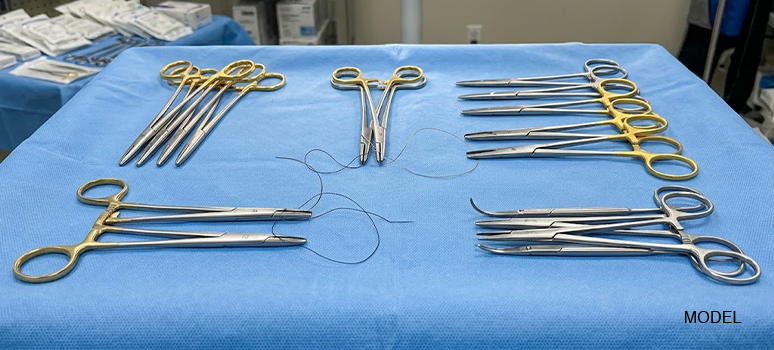
- Sutures and closure tools
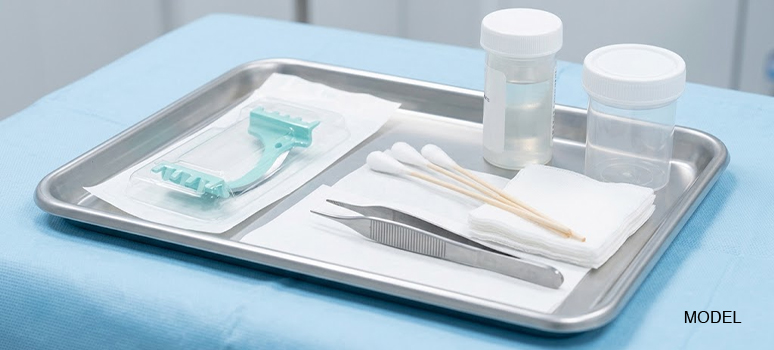
- Sterile organizing trays
Using quality instruments in every step, not just extraction, reduces complications and enhances results.
Practical Tips to Maximize Surgical Outcomes with Titanium Coated Punches
Unlock the full potential of your punches with these pro tips:
1. Rotate Punch Sets During Sessions
Switch punch sizes to match follicle density and angle.
2. Keep Spare Punches Ready
Even the best punches can dull in extensive sessions.
3. Combine Punch Type with Extraction Style
Select punch diameter based on:
- patient hair caliber
- density patterns
- donor area characteristics
4. Adopt Regular Maintenance
Inspect edges with magnification to detect wear early.
5. Train Regularly
Ongoing skill refinement ensures your tools perform at their best.
These actionable approaches lead to better graft survival and patient satisfaction.
Conclusion: Elevate Your Practice One Punch at a Time
Success in FUE surgery depends on precision, technique, and the tools you use. Titanium coated hair restoration punches provide a clear advantage with improved durability, reduced trauma, and better graft survival.
By investing in top rated hair restoration punches from trusted brands like Robbins Instruments, you can elevate your surgical outcomes and deliver exceptional patient results.
Ready to enhance your surgical outcomes? Explore Robbins Instruments’ premium selection and experience the difference that precision‑engineered hair restoration tools can make.
Be sure to share this article, leave a comment below with your thoughts or questions, and bookmark this page as your go-to resource for advanced hair restoration insights.
FAQS
1. What are hair restoration punches used for?
Hair restoration punches are used to extract individual follicular units during FUE hair transplant surgeries with minimal trauma and high precision.
2. Why choose titanium coated hair restoration punches?
Titanium coated punches offer greater durability, reduced friction, and improved resistance to wear, resulting in smoother extractions and better surgery outcomes.
3. How do you select the best hair restoration punches for your practice?
Evaluate material quality, design precision, surgeon feedback, and trusted brands like Robbins Instruments to find top rated, consistent tools suited to your surgical style.
4. Are titanium punches better than stainless steel ones?
In many cases, yes titanium coatings provide superior longevity and smoother interaction with tissue, but choice may depend on surgeon preference and procedure type.
5. How often should hair restoration punches be replaced?
Replace punches based on usage intensity, observed dullness, and surgical demand; frequent inspection ensures optimal performance and patient results.