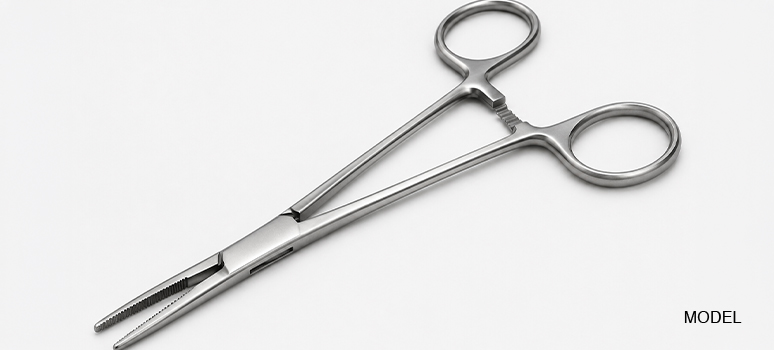
Achieve Elite Tactile Control: Precision-Engineered Surgical Forceps for Delicate Tissue Handling
Introduction
In modern surgery, precision is everything. Whether performing delicate reconstructive procedures, intricate microsurgery, or routine surgical interventions, surgeons depend on instruments that provide exceptional control and reliability. Surgical forceps are among the most important instruments in the operating room.
These versatile instruments play a critical role in grasping, holding, manipulating, and stabilizing tissues during procedures. Even the smallest improvement in instrument design can significantly impact patient outcomes, surgeon confidence, and procedural efficiency.
Today’s advanced forceps are engineered with remarkable attention to detail, offering superior tactile feedback, ergonomic handling, and exceptional durability. This article explores how precision-engineered surgical forceps help surgeons achieve elite tactile control while minimizing tissue trauma and maximizing surgical success.
Understanding Surgical Forceps
What Are Surgical Forceps?
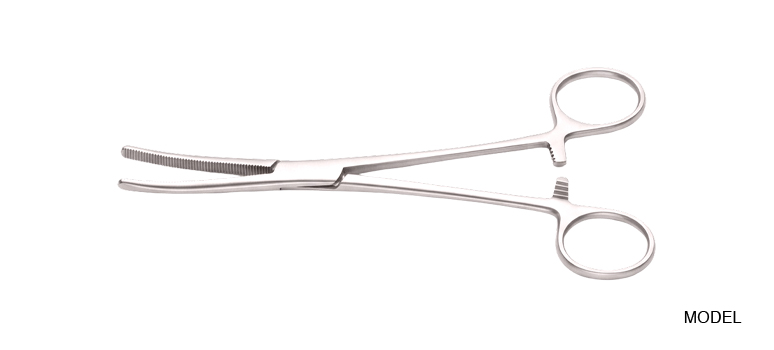
Surgical forceps are handheld instruments designed to grasp, hold, manipulate, compress, or extract tissue and other materials during medical procedures. Often described as extensions of the surgeon’s fingers, they provide enhanced precision in environments where direct hand contact is impossible or impractical.
A typical surgical forcep consists of:
- A gripping mechanism
- Precision-aligned tips
- Ergonomic handles
- High-strength stainless steel construction
Depending on the procedure, forceps may be used for:
- Tissue handling
- Wound closure
- Hemostasis
- Suturing
- Dressing application
- Foreign object removal
Why Precision Matters
Delicate tissues require careful manipulation. Excessive pressure can lead to bruising, tearing, ischemia, or unnecessary trauma.
Precision-engineered surgical tool forceps provide:
- Better tissue preservation
- Improved control
- Reduced fatigue
- Increased surgical efficiency
- Enhanced patient safety
The ability to feel subtle resistance through the instrument allows surgeons to make highly controlled movements with confidence.
The Evolution of Surgical Forceps
Historical Development
The earliest forceps date back thousands of years. Ancient civilizations used primitive grasping tools made from bronze and iron for medical and dental procedures.
As surgical science evolved, so did instrument design. The introduction of stainless steel revolutionized instrument manufacturing, offering:
- Corrosion resistance
- Improved sterilization
- Greater durability
- Enhanced precision
Modern Engineering Advances
Today’s surgical forceps represent decades of innovation.
Modern advancements include:
| Feature | Benefit |
| Precision CNC Machining | Improved tip alignment |
| Tungsten Carbide Inserts | Enhanced grip durability |
| Ergonomic Handles | Reduced hand fatigue |
| Lightweight Construction | Better maneuverability |
| Micro-Serrated Tips | Superior tissue control |
Manufacturers like Robbins Instruments continue to push the boundaries of surgical instrument excellence through advanced engineering and quality control.
Key Components of High-Quality Surgical Forceps
Tips and Serrations
The tip is the working end of the instrument and often determines its effectiveness.
Common tip styles include:
- Smooth
- Serrated
- Toothed
- Micro-toothed
- Diamond dust coated
Each design serves a specific purpose.
For example:
- Smooth tips protect fragile tissues.
- Toothed tips improve grip on dense tissues.
- Micro-serrations enhance precision.
Handle Design
Surgeons may use forceps for several hours during complex procedures.
Ergonomic handle designs help:
- Improve comfort
- Reduce muscle strain
- Enhance precision
- Maintain steady control
Material Selection
Premium surgical forceps are typically manufactured from:
- German stainless steel
- Japanese stainless steel
- Tungsten carbide-enhanced alloys
These materials provide:
- Exceptional longevity
- Resistance to corrosion
- Consistent performance after repeated sterilization
Types of Surgical Forceps
Tissue Forceps
Tissue forceps are specifically designed to grasp biological tissue during surgery.
Common applications include:
- Plastic surgery
- General surgery
- ENT procedures
- Dermatologic surgery
Features often include:
- Fine teeth
- Delicate tips
- Enhanced tactile sensitivity
Dressing Forceps
Dressing forceps assist in handling dressings and sterile materials.
Benefits include:
- Reduced contamination risk
- Improved wound care efficiency
- Enhanced precision during dressing changes
Hemostatic Forceps
Hemostatic forceps help control bleeding by clamping blood vessels.
Popular examples include:
- Kelly Forceps
- Mosquito Forceps
- Crile Forceps
These instruments are indispensable in nearly every surgical specialty.
Thumb Forceps
Thumb forceps are spring-loaded instruments manipulated between the thumb and fingers.
Advantages include:
- Quick operation
- Fine control
- Minimal hand fatigue
Specialty Forceps
Specialized procedures often require highly customized forceps.
Examples include:
- Adson Forceps
- Debakey Forceps
- Bishop-Harmon Forceps
- Jewelers Forceps
- Microvascular Forceps
These instruments are designed for extreme precision and delicate tissue handling.
Benefits of Precision-Engineered Forceps
Improved Tactile Feedback
One of the most valuable advantages of premium surgical forceps is enhanced tactile sensation.
Surgeons can:
- Detect tissue resistance
- Assess tissue integrity
- Apply optimal pressure
This tactile awareness contributes significantly to surgical success.
Reduced Tissue Trauma
Trauma reduction is a major goal in modern surgery.
Precision-engineered forceps help minimize:
- Tissue crushing
- Bruising
- Tearing
- Necrosis
Patients often experience:
- Faster healing
- Reduced scarring
- Lower complication rates
Enhanced Surgical Accuracy
Improved instrument control translates directly into:
- More precise incisions
- Better tissue approximation
- Superior cosmetic outcomes
This level of accuracy is especially important in:
- Plastic surgery
- Ophthalmology
- Neurosurgery
- Microsurgery
Increased Surgeon Confidence
Reliable instruments create confidence in the operating room.
Surgeons can focus on the procedure rather than compensating for poorly designed equipment.
This confidence often leads to:
- Improved workflow
- Better efficiency
- Reduced procedural stress
Why Robbins Instruments Is a Trusted Industry Leader
When it comes to premium surgical instruments, Robbins Instruments has earned a reputation for exceptional quality and reliability.
Their commitment to excellence includes:
- Precision manufacturing
- Rigorous quality control
- High-grade stainless steel construction
- Specialty instrument expertise
- Surgeon-focused design
Robbins Instruments offers a comprehensive range of surgical forceps, supporting professionals across numerous specialties.
Healthcare providers seeking durable, precision-engineered instruments consistently turn to Robbins Instruments for dependable performance and outstanding value.
Conclusion
Precision matters in every surgical procedure. From routine operations to highly specialized microsurgical interventions, surgical forceps remain among the most important instruments in the operating room. Their ability to provide exceptional tactile feedback, delicate tissue handling, and superior control directly impacts surgical success and patient outcomes.
By investing in premium-quality forceps, healthcare professionals can improve efficiency, reduce tissue trauma, and achieve greater confidence during procedures. Industry leaders such as Robbins Instruments continue to raise the standard with expertly engineered instruments designed to meet the evolving demands of modern surgery.
Whether you’re upgrading an instrument inventory or selecting specialty tools for advanced procedures, choosing the right surgical forceps can make all the difference in delivering exceptional patient care.
FAQS
1. What are surgical forceps used for?
Surgical forceps are used to grasp, hold, manipulate, and stabilize tissue, dressings, blood vessels, and surgical materials during medical procedures.
2. What is the difference between forceps and hemostats?
Forceps are generally designed for grasping and holding tissues, while hemostats are specialized clamping instruments used primarily to control bleeding.
3. How do I choose the right surgical forcep?
Consider the tissue type, procedure requirements, surgeon preference, and desired level of precision when selecting a surgical forcep.
4. What materials are best for surgical forceps?
High-quality stainless steel and tungsten carbide-enhanced materials offer excellent durability, corrosion resistance, and precision.
5. How often should forceps be inspected?
Forceps should be inspected after cleaning and before sterilization to ensure proper alignment and performance.