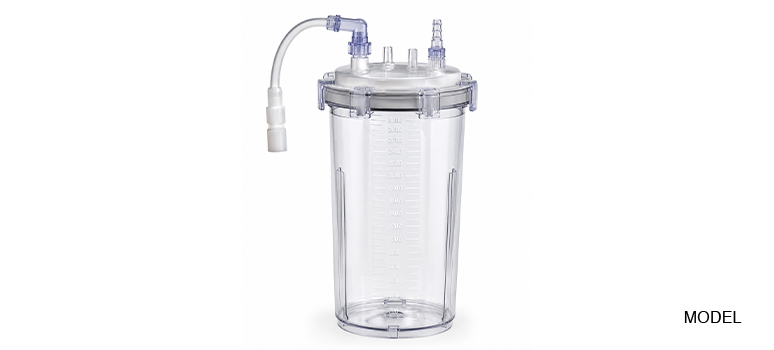
Maintain a Pristine Operating Field: High-Capacity Suction Canisters for Efficient Fluid Management
Introduction
Modern surgical procedures demand precision, visibility, and efficiency. Whether performing a complex reconstructive operation, a delicate cosmetic procedure, or a routine outpatient treatment, maintaining a clear and unobstructed operating field is essential for achieving optimal outcomes. One of the most critical yet often overlooked components that support surgical success is the use of high-quality suction canisters.
Effective fluid management is critical in every surgical environment. Blood, irrigation fluids, bodily secretions, and other fluids can quickly accumulate during procedures, reducing visibility and creating potential risks for both patients and healthcare professionals. This is where suction canisters become indispensable.
At Robbins Instruments, we understand the importance of dependable surgical equipment that promotes efficiency, safety, and precision. In this comprehensive guide, we explore the role of suction canisters, their benefits, applications, and how selecting the right solution can significantly improve surgical performance.
What Are Suction Canisters?
Suction canisters are specialized medical containers designed to collect fluids removed from a patient during surgical and medical procedures. These canisters connect to vacuum suction systems and serve as temporary storage for aspirated fluids.
They are commonly used in:
- Hospitals
- Ambulatory surgery centers
- Plastic surgery clinics
- ENT practices
- Emergency departments
- Dental offices
- Outpatient surgical facilities
Suction canisters are available in various capacities and configurations to accommodate different procedural requirements. High-capacity models are particularly valuable during procedures involving significant fluid accumulation.
Why Efficient Fluid Management Matters in Surgery
A clean surgical field is not simply a convenience—it is essential for safe and efficient surgery.
When excess fluid accumulates during surgery, it can:
- Obstruct the surgeon’s view
- Increase procedure times
- Compromise precision
- Increase contamination risks
- Create workplace hazards
- Affect patient safety
Effective fluid management allows surgeons to maintain clear visibility and focus entirely on the procedure. High-capacity suction canisters ensure uninterrupted fluid collection, minimizing the need for frequent canister changes and reducing workflow disruptions.
The Role of Suction Canisters in Modern Surgical Procedures
Suction canisters serve as a critical component of surgical suction systems.
Their primary functions include:
Fluid Collection
The canister safely stores aspirated blood, irrigation fluids, tissue debris, and bodily secretions.
Contamination Prevention
Modern canisters incorporate secure lids and overflow protection mechanisms to minimize exposure to potentially infectious materials.
Workflow Efficiency
Large-capacity suction canisters reduce interruptions during lengthy procedures.
Regulatory Compliance
Proper fluid containment supports infection control protocols and workplace safety standards.
Key Features of High-Capacity Suction Canisters
Not all suction canisters are created equal. High-performance models offer several important features.
Large Fluid Capacity
One of the most significant advantages is increased storage volume.
Benefits include:
- Fewer canister replacements
- Improved procedural efficiency
- Reduced staff workload
- Better suitability for lengthy surgeries
Durable Construction
Medical-grade materials ensure reliability under demanding conditions.
Quality canisters resist:
- Cracking
- Leakage
- Vacuum pressure stress
- Fluid degradation
Clear Graduated Markings
Accurate measurement markings allow healthcare professionals to monitor fluid volumes throughout procedures.
This helps support:
- Precise fluid management
- Documentation accuracy
- Improved patient monitoring
Secure Lid Systems
Advanced lids help prevent:
- Accidental spills
- Aerosolization
- Fluid exposure
- Contamination risks
Compatibility
High-quality suction canisters integrate seamlessly with existing vacuum systems and accessories.
Benefits of High-Capacity Suction Canisters
Investing in premium suction canisters provides numerous advantages.
Enhanced Surgical Visibility
Fluid accumulation can quickly obscure anatomical landmarks.
Continuous suction helps maintain:
- dr interruptions for canister replacement.
This contributes to:
- Shorter procedure times
- Increased operating room efficiency
- Improved staff productivity
Improved Infection Control
Secure containment systems reduce exposure to biohazardous fluids.
Benefits include:
- Enhanced workplace safety
- Reduced contamination risk
- Better compliance with protocols
Cost Efficiency
Although high-capacity canisters may represent a larger upfront investment, they often reduce operational costs through improved efficiency and reduced procedural delays.
Selecting the Right Suction Canisters for Your Facility
Selecting the right suction canister requires evaluating several important factors.
Procedure Volume
Facilities performing high-volume fluid procedures often benefit from larger-capacity canisters.
Vacuum Compatibility
Ensure compatibility with existing suction systems.
Disposable vs. Reusable Options
Disposable suction canisters offer convenience and strong infection control benefits.
Reusable systems may reduce waste and long-term costs.
Safety Features
Look for:
- Overflow protection
- Secure locking lids
- Hydrophobic filters
- Leak-resistant designs
Measurement Accuracy
Clearly marked graduations improve monitoring and documentation.
Why Surgical Professionals Trust Robbins Instruments
Healthcare professionals rely on equipment that delivers consistency, durability, and performance.
Robbins Instruments has earned a reputation for providing premium surgical products that meet the demanding requirements of modern healthcare environments.
Our commitment to quality ensures that medical professionals receive products designed to support:
- Surgical precision
- Operational efficiency
- Patient safety
- Long-term reliability
Whether supporting plastic surgery practices, ENT clinics, or hospital operating rooms, Robbins Instruments remains dedicated to helping clinicians achieve the highest standards of care.
Conclusion: Precision Starts with the Right Tool
Maintaining a pristine operating field is essential for surgical success. Effective fluid management directly impacts visibility, efficiency, safety, and overall procedural outcomes. High-capacity suction canisters play a critical role in achieving these objectives by providing dependable fluid collection, reducing interruptions, and supporting infection control efforts.
From general surgery and plastic surgery to ENT procedures such as a nose job, nose job San Diego, and nose job La Jolla treatments, reliable suction systems remain an indispensable component of modern medical practice.
By investing in premium fluid management solutions from Robbins Instruments, healthcare facilities can enhance workflow efficiency, support surgical precision, and provide exceptional patient care.
FAQS
1. What are suction canisters used for?
Suction canisters collect blood, irrigation fluids, secretions, and other materials removed from patients during medical and surgical procedures.
2. Why are high-capacity suction canisters beneficial?
High-capacity suction canisters reduce interruptions, improve workflow efficiency, and accommodate procedures that generate large fluid volumes.
3. Are suction canisters important during rhinoplasty procedures?
Yes. During a nose job, suction canisters help maintain a clear surgical field, improving visibility and procedural precision.
4. How do suction canisters improve infection control?
Secure lids, filters, and containment systems reduce exposure to biohazardous fluids and help maintain a safer clinical environment.
5. Why choose Robbins Instruments for surgical equipment?
Robbins Instruments provides high-quality surgical products designed to support precision, durability, safety, and efficiency across a wide range of medical specialties.