
Streamline Your Diagnostics: The Essential Skin Biopsy Kit for Faultless Samples
Introduction: Eliminating Guesswork in Skin Diagnostics
Every dermatologist knows the frustration of a biopsy that doesn’t deliver. Incomplete samples, damaged tissue, or inefficient workflows can delay diagnosis and treatment, leaving patients anxious and procedures repeated. The solution? A professional skin biopsy kit designed for precision, safety, and reliability.
With the right kit, clinicians can collect high-quality specimens, reduce errors, and streamline procedures. This guide explores how a high-quality skin biopsy kit improves diagnostic accuracy, patient outcomes, and clinical efficiency.
What Is a Skin Biopsy Kit?
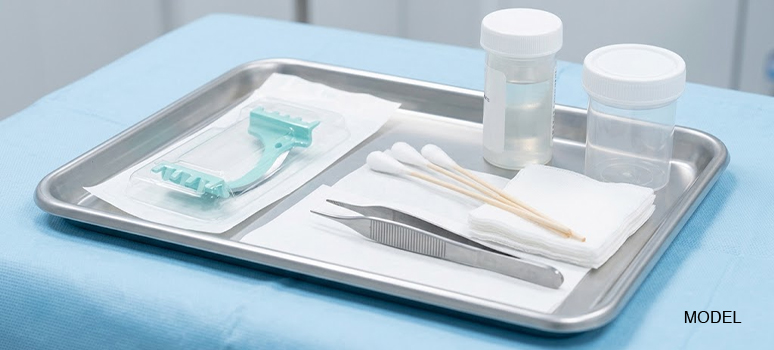
A skin biopsy kit is a curated collection of sterile instruments and accessories specifically designed to perform various types of skin biopsies safely and effectively. These kits are tailored to streamline procedures and eliminate the guesswork often associated with assembling individual tools.
Key Components of a Biopsy Kit
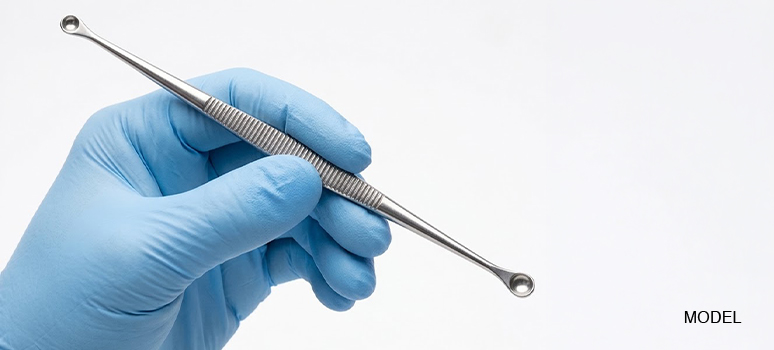
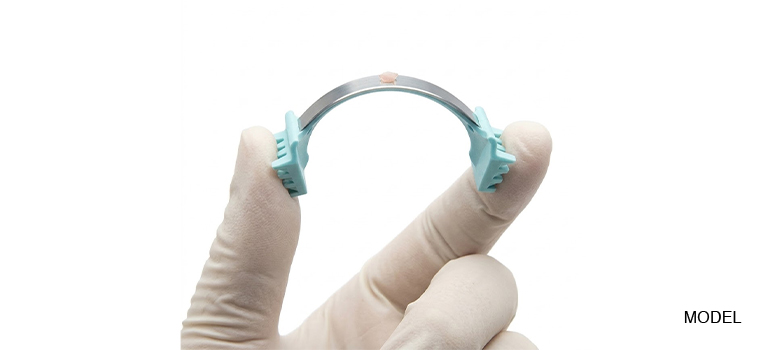
A standard biopsy set typically includes:
- Punch biopsy tools (various sizes for different lesion types)
- Scalpels or surgical blades
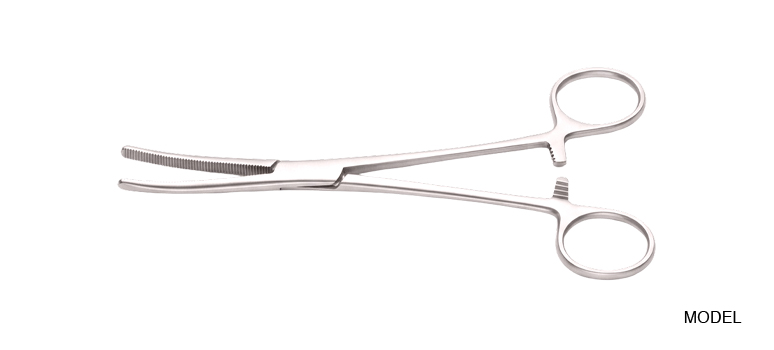
- Forceps and scissors
- Specimen containers
- Sterile drapes and gauze
- Local anesthetic supplies
- Sutures or wound closure materials
Each component plays a vital role in ensuring that the skin biopsy is performed with precision and minimal patient discomfort.
Why a High-Quality Skin Biopsy Kit Is Essential
1. Ensures Diagnostic Accuracy
Sharp instruments enable clean cuts and intact samples. A premium skin biopsy kit provides sharp, reliable instruments that allow for clean incisions and intact specimen collection.
2. Enhances Efficiency in Clinical Workflow
Instead of assembling tools individually, a ready-to-use biopsy kit saves time and reduces preparation errors. This is especially beneficial in busy dermatology clinics.
3. Improves Patient Safety and Comfort
Sterile, well-organized kits minimize infection risks and ensure smoother procedures, leading to better patient experiences.
4. Standardizes Procedures
Using a consistent biopsy set helps maintain uniformity in techniques across different practitioners and procedures.
Types of Skin Biopsies and Their Kit Requirements
Understanding the different types of skin biopsy procedures helps in selecting the right biopsy kit.
Punch Biopsy
- Ideal for diagnosing inflammatory skin conditions
- Requires circular blades (2mm–8mm)
- Commonly included in most biopsy sets
Shave Biopsy
- Used for superficial lesions
- Requires a sharp scalpel or razor blade
Excisional Biopsy
- Removes the entire lesion
- Requires surgical instruments like scalpels and sutures
Incisional Biopsy
- Removes part of a lesion for analysis
- Needs precision cutting tools and proper specimen handling materials
A comprehensive skin biopsy kit accommodates all these procedures, making it versatile for various clinical needs.
Features to Look for in the Best Skin Biopsy Kit
Not all kits are created equal. When selecting a biopsy kit, consider the following:
1. Sterility and Packaging
Ensure that all components are individually sterilized and securely packaged to prevent contamination.
2. High-Quality Materials
Durable, medical-grade stainless steel instruments ensure longevity and consistent performance.
3. Variety of Tools
A good biopsy set includes multiple punch sizes and essential instruments to handle diverse cases.
4. Ergonomic Design
Tools should be comfortable to handle, allowing precise control during procedures.
5. Comprehensive Contents
Look for kits that include everything from preparation to post-procedure care.
Why Professionals Trust Robbins Instruments
When it comes to reliability and innovation, Robbins Instruments stands out as a trusted name in the medical field. Their skin biopsy kits are designed with precision, safety, and efficiency in mind.
What Sets Robbins Instruments Apart?
- Premium-grade materials for superior performance
- Comprehensive kits tailored to clinical needs
- Strict quality control standards
- User-friendly designs for enhanced accuracy
By choosing Robbins Instruments, practitioners gain access to expertly crafted biopsy sets that support accurate diagnoses and improve workflow efficiency.
Step-by-Step Guide to Using a Skin Biopsy Kit
To achieve faultless samples, it’s essential to follow best practices when using a skin biopsy kit.
Step 1: Patient Preparation
- Clean and disinfect the area
- Administer local anesthesia
Step 2: Selecting the Right Tool
Choose the appropriate instrument based on the type of skin biopsy being performed.
Step 3: Performing the Biopsy
- Use steady, controlled movements
- Ensure adequate depth and sample size
Step 4: Specimen Handling
- Place the sample in a labeled container
- Avoid crushing or damaging the tissue
Step 5: Wound Care
- Close the wound if necessary
- Apply dressing and provide aftercare instructions
Common Mistakes to Avoid During Skin Biopsies
Even with the right tools, errors can occur. Common mistakes include:
- Using dull or inappropriate instruments
- Collecting insufficient tissue samples
- Mishandling specimen
- Neglecting sterility protocols
A reliable biopsy set helps reduce these risks significantly.
Actionable Tips for Better Biopsy Results
- Always choose the right biopsy technique for the lesion type
- Use high quality tools and sharp instrument from a trusted skin biopsy kit
- Label specimens immediately to avoid mix-ups
- Stay updated with best practices in dermatology
Conclusion: Elevate Your Diagnostic Accuracy Today
A skin biopsy kit is more than just a collection of tools, it’s the foundation of accurate dermatological diagnosis. Investing in a high-quality kit improves precision, efficiency, and patient outcomes.
From selecting the right biopsy set to mastering proper techniques, every step plays a crucial role in achieving faultless samples. Don’t leave diagnostic accuracy to chance—equip your practice with reliable, high-performance tools.
If you found this guide helpful, consider sharing it with colleagues or leaving a comment below. Your feedback helps us continue providing valuable insights!
FAQS
1. What is included in a standard skin biopsy kit?
A standard skin biopsy kit typically includes punch tools, scalpels, forceps, specimen containers, and sterile supplies needed for performing biopsies safely and efficiently.
2. How do I choose the right biopsy kit?
Look for a biopsy kit that offers high-quality materials, multiple tool sizes, and complete components for different biopsy procedures.
3. Are disposable biopsy kits better than reusable ones?
Disposable kits ensure sterility and convenience, while reusable instruments can be cost-effective if properly sterilized. The choice depends on your clinical setup.
4. How can I improve biopsy accuracy?
Using a premium skin biopsy kit, selecting the right technique, and following proper specimen handling protocols significantly improve accuracy.
5. Why should I choose Robbins Instruments for biopsy kits?
Robbins Instruments provides high-quality, reliable biopsy sets designed to enhance precision, efficiency, and patient safety in dermatological procedures.