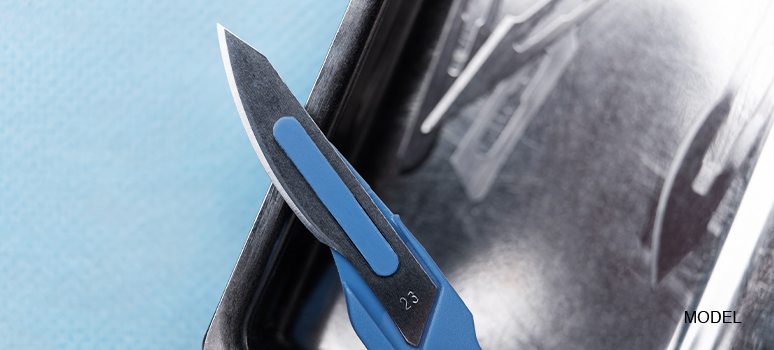
Experience Atomic Sharpness: Why Sapphire Miniature Blades are the Pinnacle of Precision
Introduction: The Pursuit of Perfect Precision
In fields where precision is everything whether in microsurgery, laboratory research, or advanced manufacturing the tools you use can make or break your results. Traditional steel instruments, while reliable, often fall short when extreme sharpness, durability, and microscopic accuracy are required. This raises an important question:
What tool truly delivers unmatched precision at the smallest scale?
The answer lies in sapphire miniature blades, a cutting-edge innovation that combines atomic-level sharpness with exceptional durability. These blades are rapidly becoming the gold standard for professionals who demand flawless performance in delicate procedures.
This guide explores why sapphire blades outperform traditional options and how Robbins Instruments brings them to professionals worldwide.
What Are Sapphire Miniature Blades?
Sapphire miniature blades are ultra-precise instruments made from synthetic sapphire (aluminum oxide crystal). Known for its extreme hardness—second only to diamond—sapphire is an ideal material for applications that require:
- Ultra-fine cutting edges
- Minimal tissue or material trauma
- Long-lasting sharpness
- Chemical and thermal resistance
Unlike conventional miniature blades made from stainless steel, sapphire blades are engineered at a microscopic level, allowing for cleaner, smoother, and more accurate incisions.
The Science Behind Sapphire Sharpness
The exceptional performance of sapphire blades stems from their atomic structure. Sapphire crystals can be precisely shaped to create an edge that is:
- Significantly sharper than steel
- Free from burrs or imperfections
- Highly resistant to wear and corrosion
This atomic-level sharpness translates into:
- Reduced cutting force
- Minimal friction
- Greater control during procedures
For professionals working in high-stakes environments, this level of precision is not just beneficial—it’s essential.
Key Benefits of Sapphire Miniature Blades
1. Unmatched Precision
The primary advantage of best sapphire miniature blades is their ability to deliver incredibly fine and accurate cuts. This is especially important in:
- Microsurgery
- Ophthalmology
- Dermatology
- Laboratory research
Precision at this level ensures better outcomes and reduces the risk of damage to surrounding areas.
2. Exceptional Durability
Sapphire is one of the hardest materials available, making these blades:
- Highly resistant to dulling
- Long-lasting compared to steel alternatives
- Cost-effective over time
While the initial investment may be higher, the longevity of sapphire blades often results in lower replacement costs.
3. Reduced Tissue Trauma
In medical applications, minimizing trauma is critical. Sapphire blades offer:
- Cleaner incisions
- Less tearing of tissue
- Faster healing times
This makes them a preferred choice for surgeons aiming to improve patient outcomes.
4. Chemical and Heat Resistance
Unlike metal blades, sapphire is:
- Non-reactive to most chemicals
- Resistant to high temperatures
- Suitable for sterilization processes
This ensures consistent performance even in demanding environments.
5. Superior Edge Retention
One of the standout features of sapphire blades is their ability to maintain sharpness over extended use. This reduces:
- The need for frequent replacements
- Downtime during procedures
- Risk of inconsistent cuts
Applications of Sapphire Miniature Blades
Medical and Surgical Use
Sapphire blades are widely used in:
- Ophthalmic surgery – for ultra-precise eye procedures
- Plastic and reconstructive surgery – for clean, minimal-scarring incisions
- Dermatology – for biopsies and cosmetic procedures
Their precision ensures optimal results with minimal complications.
Laboratory and Research Settings
In research environments, precision is equally critical. Sapphire blades are ideal for:
- Tissue sectioning
- Sample preparation
- Micro-dissection
Their sharpness allows for accurate and reproducible results.
Industrial and Technological Applications
Beyond healthcare, miniature blades made from sapphire are used in:
- Semiconductor manufacturing
- Fiber optics
- Precision engineering
These industries demand tools that can operate at microscopic levels without compromising accuracy.
Sapphire vs. Steel: A Clear Advantage
| Feature | Sapphire Miniature Blades | Stainless Steel Blades |
| Sharpness | Atomic-level precision | High but limited |
| Durability | Extremely high | Moderate |
| Edge Retention | Long-lasting | Requires frequent sharpening |
| Tissue Impact | Minimal trauma | High trauma risk |
| Cost Efficiency | High long-term value | Lower upfront cost |
The comparison makes it clear: sapphire miniature blades outperform traditional options in nearly every category.
Why Choose Robbins Instruments for Sapphire Blades?
When it comes to sourcing the best sapphire miniature blades, quality and reliability are non-negotiable. This is where Robbins Instruments stands out.
Trusted Expertise
Robbins Instruments has built a reputation for delivering:
- High-quality surgical tools
- Precision-engineered instruments
- Reliable customer support
Commitment to Innovation
By incorporating advanced materials like sapphire into their product line, Robbins Instruments ensures that professionals have access to cutting-edge technology.
Rigorous Quality Standards
Each blade is manufactured with strict quality control, ensuring:
- Consistent performance
- Safety in critical applications
- Long-lasting durability
How to Choose the Best Sapphire Miniature Blades
Selecting the right blade depends on your specific needs. Here are some key factors to consider:
1. Application Type
Different tasks require different blade designs. Consider:
- Surgical vs. industrial use
- Level of precision needed
- Type of material or tissue being cut
2. Blade Size and Shape
Miniature blades come in various shapes and sizes. Choose one that offers:
- Optimal control
- Accessibility to target areas
- Compatibility with your उपकरण (tools)
3. Quality and Certification
Always opt for blades that meet industry standards. Look for:
- Certified manufacturing processes
- Trusted suppliers like Robbins Instruments
- Positive user reviews
4. Cost vs. Value
While sapphire blades may have a higher upfront cost, their durability and performance often provide better long-term value.
Maintenance Tips for Sapphire Blades
To maximize the lifespan of your sapphire miniature blades, follow these best practices:
- Handle with care – Avoid dropping or applying excessive force
- Clean properly – Use appropriate cleaning solutions
- Store safely – Keep in protective cases
- Inspect regularly – Check for any damage or wear
Proper maintenance ensures consistent performance and extends the life of your investment.
Future of Precision Cutting: Sapphire Technology
As technology continues to evolve, the demand for ultra-precise tools will only increase. Sapphire blades are at the forefront of this transformation, offering:
- Enhanced surgical outcomes
- Improved research accuracy
- Greater efficiency in industrial processes
With ongoing innovation, we can expect even more advanced applications for sapphire-based tools in the near future.
Conclusion: Elevate Your Precision with Sapphire Miniature Blades
In a world where precision defines success, sapphire miniature blades stand as the pinnacle of cutting technology. Their unmatched sharpness, durability, and performance make them an indispensable tool across multiple industries.
By choosing high-quality options from trusted providers like Robbins Instruments, professionals can ensure superior results, reduced risks, and long-term value.
If you’re ready to elevate your precision and achieve flawless outcomes, it’s time to make the switch to sapphire blades.
Don’t settle for an ordinary experience of atomic sharpness today.
FAQS
1. What makes high-grade surgical steel shave biopsy tools better than standard tools?
High-grade surgical steel offers superior sharpness, corrosion resistance, and durability, resulting in cleaner cuts and longer tool life.
2. How often should shave biopsy tools be replaced?
With proper care, high-grade surgical steel shave biopsy tools can last for years, unlike lower-quality alternatives that dull quickly.
3. Are surgical steel shave biopsy tools safe for repeated sterilization?
Yes. High-grade surgical steel is designed to withstand repeated autoclaving without losing structural integrity.
4. Can shave biopsy tools be used for cosmetic dermatology?
Absolutely. Their precision makes them ideal for cosmetically sensitive areas where clean margins are critical.
5. Why choose Robbins Instruments for shave biopsy tools?
Robbins Instruments combines premium materials, rigorous quality control, and clinician-focused design to deliver dependable, high-performance instruments trusted worldwide.