Introduction
Liposuction has remained one of the most popular cosmetic procedures worldwide for decades, offering patients a way to contour their bodies when diet and exercise alone fall short. However, traditional techniques can be physically demanding for surgeons and are often linked to longer recovery times for patients. Enter power-assisted liposuction (PAL) systems—an innovative advancement that elevates precision, safety, and efficiency to the next level.
With the growing demand for minimally invasive cosmetic procedures, both patients and providers are seeking advanced tools that deliver exceptional results with minimal downtime. PAL liposuction systems are now considered the gold standard, empowering surgeons to achieve smoother outcomes with less strain, reduced tissue trauma, and faster recovery.
What Are Power-Assisted Liposuction Systems?
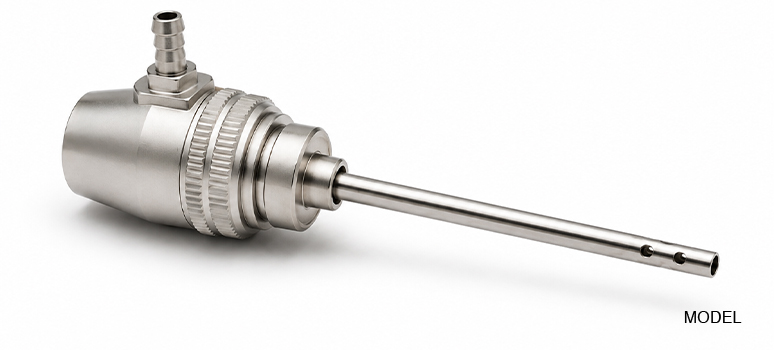
A power-assisted liposuction (PAL) system is an advanced surgical device that utilizes rapid, small vibrations in the cannula—the tube inserted into fatty tissue—to break down and remove fat more efficiently. Unlike traditional liposuction, where the surgeon manually moves the cannula, PAL technology minimizes physical effort while improving precision.
How It Works
- The cannula tip vibrates at a controlled frequency (typically several thousand oscillations per minute).
- These micro-vibrations loosen fat cells from surrounding tissue with minimal trauma.
- A connected suction mechanism then efficiently aspirates the fat into a collection system.
This combination of mechanical vibration and suction makes PAL devices more effective in targeting fibrous areas such as the flanks, back, or male chest regions where traditional liposuction can be more challenging.
The Evolution of Liposuction: From Manual to Power-Assisted
To appreciate the innovation behind PAL liposuction systems, it helps to understand the evolution of liposuction techniques:
1. Traditional Suction-Assisted Liposuction (SAL)
- Relies entirely on manual force.
- Effective but physically taxing on the surgeon.
- Greater potential for tissue trauma and uneven results.
2. Ultrasound-Assisted Liposuction (UAL)
- Uses ultrasonic energy to emulsify fat.
- Useful for dense or fibrous fat but carries a risk of burns if not carefully applied.
3. Laser-Assisted Liposuction (LAL)
- Uses laser energy to liquefy fat before suctioning.
- Popular for small areas but may cause more bruising and swelling.
4. Power-Assisted Liposuction (PAL)
- Introduced to reduce surgeon fatigue and improve precision.
- Delivers consistent results across large and small treatment areas.
- Widely regarded as one of the safest and most effective modern approaches.
This progression highlights why PAL systems are now a go-to choice in advanced plastic and cosmetic surgery centers worldwide.
Benefits of Power-Assisted Liposuction Systems
Surgeons and patients alike benefit from the unique capabilities of power-assisted liposuction devices. Let’s break down the advantages:
1. Greater Precision
The micro-vibrations of the cannula enable surgeons to sculpt with exceptional accuracy, minimizing the risk of contour irregularities and ensuring smoother, more natural results.
2. Reduced Surgeon Fatigue
Traditional liposuction can be physically demanding, especially for larger treatment areas. By automating the back-and-forth cannula movement, PAL systems drastically reduce the strain on the surgeon’s wrists and shoulders, enabling better endurance and performance during long procedures.
3. Less Trauma for Patients
Because PAL devices gently loosen fat rather than tearing through tissue, patients experience:
- Less bruising.
- Reduced swelling.
- Faster recovery.
4. Enhanced Efficiency
A liposuction machine with power removes fat more quickly, shortening procedure times without compromising safety. This efficiency benefits both surgical teams and patients.
5. Versatility Across Body Areas
PAL systems are highly effective in treating:
- Abdomen and flanks.
- Thighs and hips.
- Arms and back.
- Male chest (gynecomastia).
- Neck and chin (with fine cannulas).
This adaptability makes PAL devices a preferred choice for both large-volume and delicate contouring procedures.
Comparing PAL Liposuction to Other Techniques
Feature | Traditional Liposuction (SAL) | Ultrasound-Assisted (UAL) | Laser-Assisted (LAL) | Power-Assisted (PAL) |
Surgeon Effort | High | Moderate | Moderate | Low |
Precision | Moderate | High | High | Very High |
Tissue Trauma | High | Moderate | Moderate | Low |
Recovery Time | Longer | Moderate | Moderate | Faster |
Contour Smoothness | Variable | Good | Good | Excellent |
| Versatility | Moderate | Limited | Limited | High |
This table illustrates why PAL liposuction systems are widely regarded as one of the safest, most effective technologies available today.
Key Components of a Power-Assisted Liposuction Device
When evaluating or purchasing a power-assisted liposuction device, it’s important to understand its main components:
1. Cannulas
- Come in different sizes and tip designs for various body areas.
- Vibrating action enhances fat disruption.
2. Handpiece
- Lightweight and ergonomic to reduce surgeon strain.
- Houses the motor that drives cannula oscillations.
3. Console / Control Unit
- Allows surgeons to adjust vibration speed and suction levels.
- Ensures precision tailoring for each procedure.
4. Suction System
- Safely aspirates fat through tubing into collection canisters.
5. Collection Canisters
- Sterile containers designed for safe fat harvesting.
- Compatible with fat transfer procedures if needed.
By investing in a well-engineered liposuction machine with power, surgeons can achieve consistently superior outcomes.
Why Surgeons Trust PAL Liposuction Systems from Robbins Instruments
As a leading supplier of surgical instruments and devices, Robbins Instruments is trusted by top plastic surgeons worldwide for its high-quality, reliable, and durable equipment. When it comes to PAL liposuction systems, Robbins Instruments ensures:
- Precision Engineering: Every device is designed for accuracy and surgeon comfort.
- Durability: Built to withstand frequent use in busy surgical settings.
- Safety Standards: Meets or exceeds global medical device regulations.
- Comprehensive Support: Robbins Instruments offers guidance, training, and customer support for optimal use.
By choosing Robbins Instruments, surgeons gain confidence knowing they are backed by a company with decades of expertise in surgical innovations.
Actionable Tips for Surgeons Considering PAL Technology
If you’re planning to upgrade to a PAL system, consider the following recommendations:
1. Assess Your Case Mix
- If you frequently perform large-volume liposuction or treat fibrous areas, PAL technology can dramatically improve efficiency.
2. Consider Patient Benefits
- Highlight faster recovery and smoother results when discussing procedure options with patients.
3. Invest in Training
- Although PAL systems are user-friendly, training ensures you maximize their capabilities safely.
4. Evaluate Equipment Quality
- Partner with trusted suppliers like Robbins Instruments to guarantee longevity and performance.
5. Plan for Integration
- Ensure compatibility with your existing operating room setup, including suction and collection canisters.
Future Trends in Power-Assisted Liposuction
The field of aesthetic surgery continues to evolve, and PAL systems are advancing right alongside it. Here are emerging trends to watch:
- Integration with Fat Grafting: More surgeons are using PAL systems not just for fat removal but also for fat harvesting in body contouring and facial rejuvenation.
- Smaller Cannulas for Precision: Advances in micro-cannulas allow for even more refined contouring in delicate areas.
- Enhanced Ergonomics: New designs prioritize surgeon comfort, reducing fatigue further.
- Smart Technology: Some next-gen devices are incorporating digital monitoring for vibration consistency and patient safety.
Surgeons who adopt advanced PAL technology position themselves at the forefront of modern cosmetic care.
Conclusion: Elevating Standards with PAL Liposuction Systems
Power-assisted liposuction systems represent a revolutionary advancement in cosmetic surgery. By combining precision, efficiency, and safety, PAL devices deliver superior results for patients while making procedures easier and less strenuous for surgeons.
For practices committed to excellence, upgrading to a power-assisted liposuction device is more than a technological choice; it’s a strategic investment in patient satisfaction and surgical outcomes.
As a trusted supplier, Robbins Instruments provides surgeons with the high-quality PAL liposuction systems and support they need to stay ahead in a competitive field. Whether you’re expanding your practice or seeking the latest innovations, Robbins Instruments is your partner in achieving surgical excellence.
FAQS
1. What is the main advantage of power-assisted liposuction over traditional methods?
PAL systems reduce surgeon fatigue while offering more precise, smoother results and faster patient recovery.
2. Is power-assisted liposuction safe for all patients?
Yes, when performed by a qualified surgeon using high-quality equipment, PAL is considered very safe and effective.
3. Can PAL liposuction systems be used for fat transfer procedures?
Yes. Many PAL systems include collection canisters designed to preserve fat for transfer to other areas of the body.
4. How long is recovery after power-assisted liposuction?
Most patients experience less bruising and swelling, with recovery typically faster than traditional liposuction often within 1–2 weeks for normal activity.
5. Where can surgeons purchase reliable PAL liposuction devices?
Surgeons can source high-quality PAL systems from Robbins Instruments, a trusted provider of surgical instruments and devices.