Refine Every Micro-Detail: Mastering the Art of Nano Fat Transfer Procedures
Introduction: Why Precision Matters in Modern Aesthetic Procedures
Nano fat transfer is an advanced aesthetic procedure designed to improve skin quality, texture, and fine lines using the patient’s own fat. Unlike traditional fat grafting, which focuses on volume, this technique targets skin rejuvenation at a cellular level.
Patients seeking natural results with minimal downtime are increasingly turning to nano fat transfer for delicate areas like the under-eyes, lips, and fine wrinkles.
We are now able to refine fat into a highly purified, ultra-fine consistency—commonly referred to as nano fats—allowing practitioners to target micro-level imperfections with exceptional accuracy. This article explores how nano fat transfer works, its advantages over conventional fat transfer, and why it has become a cornerstone in advanced aesthetic treatments.
What is Nano Fat Transfer? A Breakthrough in Precision Aesthetics
Nano fat transfer is an advanced technique that involves harvesting fat from the patient’s body, processing it into an ultra-refined emulsion, and injecting it into superficial layers of the skin. Unlike traditional fat grafting, which focuses on volume restoration, nano fats are primarily used for skin rejuvenation and texture improvement.
The fat is mechanically emulsified and filtered to isolate regenerative components such as:
- Stem cells
- Growth factors
- Regenerative cells
These elements play a crucial role in enhancing skin quality, improving elasticity, and reducing fine lines.
How Nano Fat Transfer Works: Step-by-Step Precision
1. Fat Harvesting
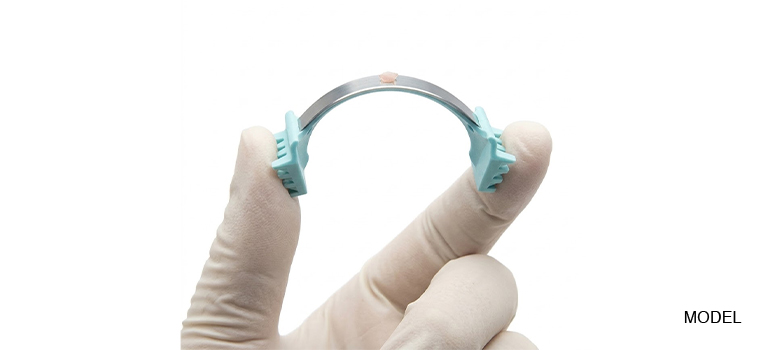
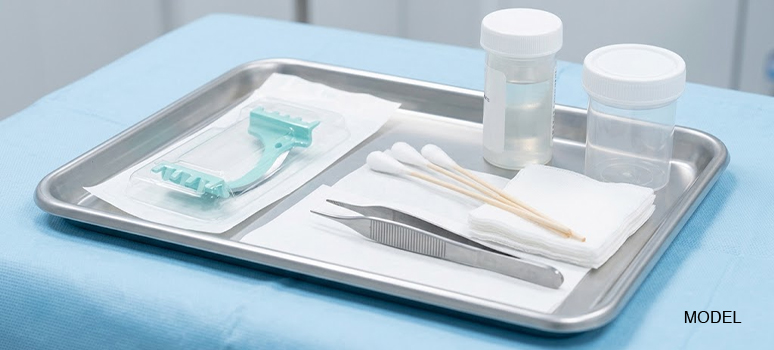
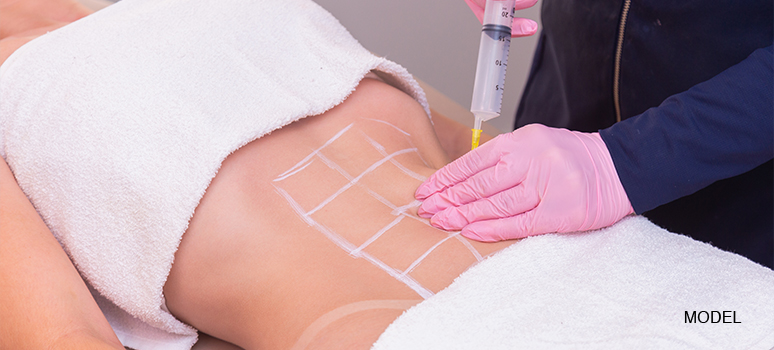
Fat is collected from areas like the abdomen or thighs using gentle liposuction. Precision tools from Robbins Instruments ensure minimal trauma and optimal fat viability.
2. Emulsification Process
The harvested fat undergoes a mechanical breakdown process, transforming it into nano fats. This step is critical for achieving the smooth consistency required for micro-injection.
3. Filtration and Purification
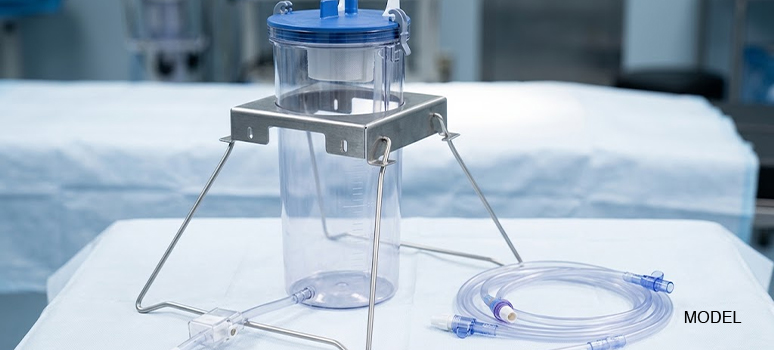
Impurities are removed through fine filtration, leaving behind a highly refined product rich in regenerative cells.
4. Micro-Injection
Using ultra-fine cannulas, the nano fat is injected into targeted areas such as:
- Under-eye hollows
- Fine wrinkles
- Neck lines
- Acne scars
This technique allows for precise, even distribution, ensuring natural-looking results.
Nano Fat Transfer vs Fat Transfer: Understanding the Key Differences
While both procedures use the patient’s own fat, their purpose and outcomes are significantly different.
Purpose and Application
- Fat transfer: Primarily used for volume restoration (cheeks, breasts, buttocks)
- Nano fat transfer: Focuses on skin quality, texture, and rejuvenation
Consistency of Fat
- Fat transfer: Uses larger fat particles
- Nano fats: Ultra-fine, emulsified fat suitable for superficial injection
Injection Depth
- Fat transfer: Injected into deeper tissue layers
- Nano fat transfer: Delivered into superficial dermal layers
Results
- Fat transfer: Adds volume
- Nano fat transfer: Improves skin tone, reduces wrinkles, enhances radiance
Longevity
Both techniques offer long-lasting results, but nano fat transfer provides added regenerative benefits due to its cellular composition.
Top Benefits of Nano Fat Transfer
1. Natural Skin Rejuvenation
Because the material comes from the patient’s own body, nano fat transfer eliminates the risk of allergic reactions while promoting natural healing.
2. Enhanced Skin Texture
The regenerative cells stimulate collagen production, resulting in smoother, firmer skin.
3. Minimal Downtime
Compared to more invasive procedures, recovery is quick, making it ideal for patients with busy lifestyles.
4. Versatility
From under-eye rejuvenation to scar treatment, nano fats can address a wide range of concerns.
5. Long-Lasting Results
The regenerative effects continue to improve the skin over time, offering sustained benefits.
Advanced Techniques for Superior Nano Fat Transfer Outcomes
To achieve optimal results, precision and technique are essential. We emphasize:
Micro-Aliquot Injection Technique
Delivering small amounts of nano fat evenly ensures better integration and natural outcomes.
Layered Injection Approach
Targeting multiple skin layers enhances both surface texture and deeper rejuvenation.
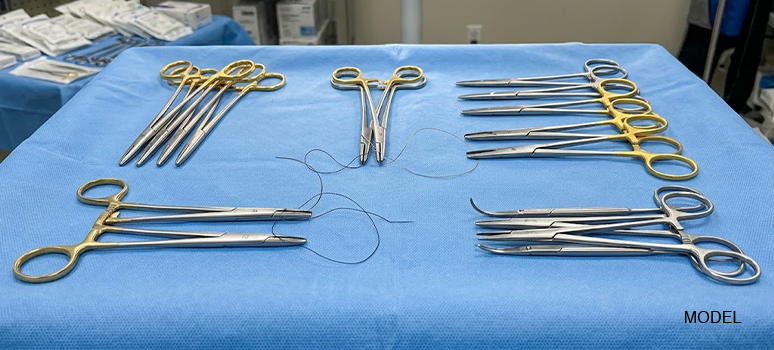
Use of High-Quality Surgical Instruments
Working with trusted suppliers like Robbins Instruments ensures consistency, safety, and precision in every procedure.
Best Treatment Areas for Nano Fat Transfer
Under-Eye Hollows
Dark circles and fine lines can be significantly improved with nano fat transfer, restoring a youthful appearance.
Fine Facial Lines
Wrinkles around the mouth and forehead respond well to the regenerative effects of nano fats.
Acne Scars
By stimulating collagen production, nano fat helps smooth out uneven skin texture.
Neck and Décolletage
These delicate areas benefit from improved elasticity and hydration.
Actionable Tips for Patients Considering Nano Fat Transfer
- Choose an experienced practitioner skilled in both fat harvesting and micro-injection techniques
- Follow pre- and post-procedure guidelines carefully to maximize results
- Maintain realistic expectations—results improve gradually over time
- Combine treatments such as PRP or microneedling for enhanced outcomes
Why Precision Instruments Matter in Nano Fat Transfer
The success of nano fat transfer heavily depends on the quality of instruments used during the procedure. Fine cannulas, advanced filtration systems, and precise harvesting tools are essential for maintaining fat viability and achieving consistent results.
Robbins Instruments provides industry-leading surgical tools that support:
- Accurate fat harvesting
- Efficient emulsification
- Precise injection techniques
By using high-quality instruments, we ensure every micro-detail is refined to perfection.
Future of Nano Fat Transfer in Aesthetic Medicine
The evolution of nano fat transfer continues to push the boundaries of regenerative aesthetics. Emerging innovations include:
- Stem cell-enriched fat grafting
- Combination therapies with laser treatments
- Advanced filtration technologies
These advancements will further enhance precision and outcomes, solidifying nano fat transfer as a leading technique in modern cosmetic procedures.
Conclusion: Elevating Aesthetic Outcomes with Nano Precision
We have entered an era where aesthetic excellence is defined by the smallest details. Nano fat transfer allows us to go beyond traditional volume restoration and address the finer aspects of skin rejuvenation with unmatched precision.
By understanding the differences between nano fat transfer vs fat transfer, utilizing advanced techniques, and relying on high-quality tools from Robbins Instruments, we can achieve results that are not only natural but also transformative.
If you’re considering nano fat transfer, consulting with an experienced provider is the first step toward achieving smoother, healthier-looking skin. A personalized treatment plan can help you determine if this procedure is right for your goals
FAQS
1. How long does nano fat transfer last?
Results are long-lasting, with improvements continuing over several months due to collagen stimulation.
2. Is nano fat transfer safe?
Yes, since it uses the patient’s own fat, the risk of complications is minimal when performed by a skilled professional.
3. What is the recovery time?
Most patients experience mild swelling or bruising, with recovery typically within a few days.
4. Can nano fat transfer be combined with other treatments?
Yes, it is often combined with PRP, microneedling, or laser treatments for enhanced results.
5. Who is an ideal candidate for nano fat transfer?
Individuals seeking natural skin rejuvenation, improved texture, and subtle enhancements are ideal candidates.