
Introduction
Hair transplantation has evolved dramatically over the past decade. Patients no longer accept visible scars, long downtime, or unnatural results; they want density, precision, and fast recovery. Clinics, in turn, face a critical question:
How do you consistently harvest high-quality grafts quickly without damaging follicles?
The answer lies not only in surgeon skill but in the motorized FUE extraction system accessories supporting the procedure.
Many clinics invest heavily in motorized devices yet underestimate the importance of complementary tools such as punches, forceps, graft holders, visualization systems, storage solutions, and ergonomic accessories. Without the right accessories, even the most advanced system performs below its potential, leading to:
- Higher transection rates
- Graft dehydration
- Technician fatigue
- Slower procedures
- Inconsistent results
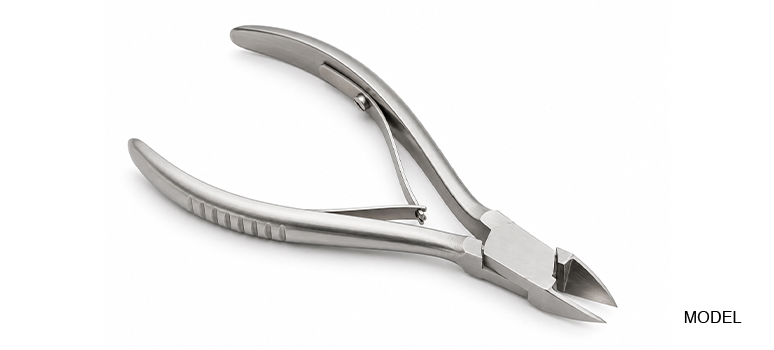
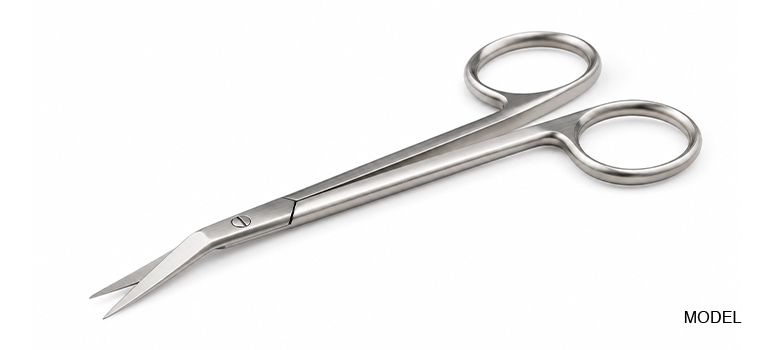
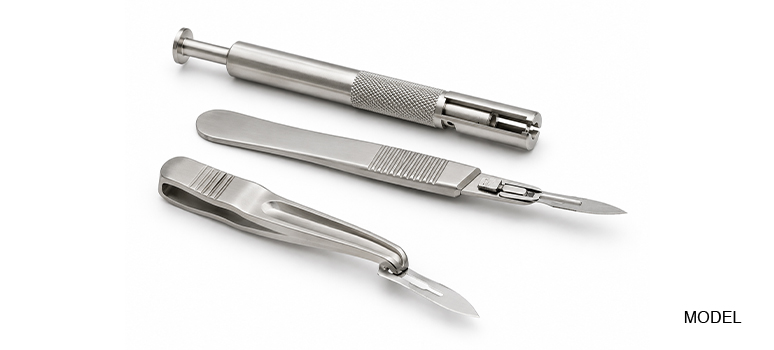
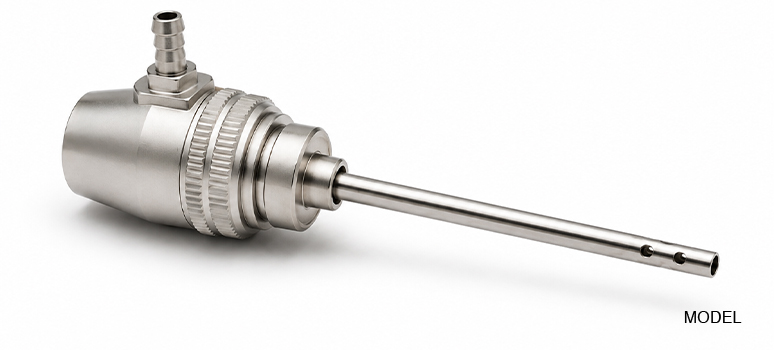
This guide explains how to assemble the ideal hair transplant instruments set for a modern motorized FUE extraction system, helping clinics improve graft survival, efficiency, and patient satisfaction.
We’ll also explore practical workflow tips and expert insights used by leading surgical practices, including premium solutions from Robbins Instruments.
Understanding the Role of a Motorized FUE Extraction System
Before diving into accessories, let’s clarify what a motorized FUE extraction system actually does.
Follicular Unit Extraction (FUE) involves removing individual follicular units from the donor area using a rotating or oscillating punch. Unlike FUT strip surgery, FUE:
- Leaves minimal scarring
- Allows faster healing
- Enables short hairstyles
- Provides natural density
However, manual punches depend heavily on surgeon stamina and hand stability. Motorized systems reduce variability and fatigue, improving consistency and efficiency.
What Motorization Changes
A motorized system provides:
| Feature | Benefit |
| Controlled rotation | Reduced torsion trauma |
| Adjustable speed | Adaptable for skin types |
| Oscillation modes | Lower transection rates |
| Consistent depth | Uniform graft extraction |
| Reduced fatigue | Longer sessions possible |
But the motor alone is only half the equation.
The real performance depends on accessories.
Why Accessories Matter More Than the Machine
A motorized FUE system functions like an engine; accessories are the precision components that determine outcomes.
Clinics often upgrade the device but keep basic tools. This creates a bottleneck:
High-tech extraction + low-quality handling = poor graft survival
A complete hair transplant instruments set ensures:
- Gentle graft manipulation
- Proper hydration
- Accurate placement
- Workflow efficiency
- Technician comfort
Let’s break down every critical accessory category.
Essential Motorized FUE Extraction System Accessories
1. FUE Punches — The Most Critical Component
The punch determines follicle safety more than the motor itself.
Types of Punches
| Punch Type | Best For |
| Sharp punches | Soft scalp, thick follicles |
| Dull punches | Curly hair, fragile follicles |
| Hybrid punches | General cases |
| Trumpet punches | Minimizing graft compression |
| Serrated punches | Tough scalp |
Optimal Punch Diameter
Choosing incorrect diameter increases transection rate.
| Hair Type | Ideal Size |
| Asian | 0.9 – 1.0 mm |
| Caucasian | 0.8 – 0.9 mm |
| African curly | 1.0 – 1.2 mm |
Pro Tip:
Clinics should maintain multiple diameters sterilized and ready during surgery.
2. Depth Control Guards & Spacers
Depth control guards are often overlooked yet essential
Depth guards prevent:
- Bulb amputation
- Dermal papilla injury
- Excessive bleeding
- Buried grafts
They also standardize technician performance during long procedures.
3. Precision Extraction Forceps
After scoring, graft removal must be atraumatic.
High-quality forceps feature:
- Ultra-fine tips
- Anti-crush tension
- Spring-balanced pressure
- Non-slip grip
Low-grade forceps are responsible for up to 20% graft loss in many clinics.
Recommended Designs
- Curved micro forceps
- Serrated holding forceps
- Atraumatic jeweler forceps
4. Graft Storage & Hydration System
Once extracted, follicles begin dying within minutes if not stored properly.
This is where many clinics unknowingly lose 10-30% survival rate.
Essential Storage Accessories
- Chilled graft holding trays
- Hypothermic solution cups
- Implanter loading plates
- Hydration spray bottles
- Ice reservoirs
Ideal Temperature
4°C – 8°C preserves graft metabolism without shock.
5. Implanter Pens and Loading Tools
Even perfect harvesting fails if implantation damages grafts.
Modern motorized FUE extraction system accessories must include compatible implantation instruments.
Benefits of Implanter Pens
- Minimal graft handling
- Accurate angle placement
- Higher density packing
- Faster procedures
Technicians should use specialized loading forceps to avoid bulb trauma.
6. Magnification & Visualization Systems
Microscopic trauma often occurs because it cannot be seen.
Magnification tools include:
- Surgical loupes (2.5x – 5x)
- LED headlamps
- Stereo microscopes
- Digital graft counters
Higher visualization directly improves graft survival.
7. Ergonomic Handpieces & Grip Sleeves
During a 3,000-graft session, hand fatigue affects precision.
Accessories that improve ergonomics:
- Silicone grip covers
- Lightweight handpieces
- Foot pedal speed control
- Balanced tubing systems
Ergonomics = accuracy over time
Building the Complete Hair Transplant Instruments Set
Below is a recommended checklist for a fully equipped modern clinic.
Extraction Stage
- Motorized handpiece
- Multiple punches
- Depth guards
- Extraction forceps
- Saline irrigation
Graft Handling Stage
- Hydration trays
- Cold storage solution
- Sorting plates
- Microscopes
Implantation Stage
- Implanter pens
- Loading forceps
- Site-making blades
- Angle guides
Support Equipment
- Lighting system
- Foot control pedals
- Surgical drapes
- Sterilization containers
Future Trends in Motorized FUE Technology
Hair transplant technology is moving toward:
- AI-guided extraction
- Smart torque feedback motors
- Robotic graft selection
- Automated graft counting
- Temperature-controlled holding systems
Clinics investing in adaptable accessory platforms will integrate new technologies faster.
Conclusion
Modern hair restoration is precision surgery. The difference between average and exceptional results lies in preparation, workflow, and instrument quality.
Clinics that upgrade only their device remain average.
Clinics that upgrade their entire accessory ecosystem become industry leaders.
Evaluate your setup today because in FUE surgery, every graft counts.
FAQS
1. What is the most important accessory in a motorized FUE system?
The FUE punch is the most critical component because it directly determines follicle survival and transection rate.
2. How many grafts can be safely extracted per day using motorized FUE?
With proper accessories and workflow, clinics can safely extract 2,500–4,000 grafts per day depending on donor density.
3. Do motorized systems damage hair follicles?
Not when paired with correct punches, depth guards, and extraction forceps. Poor accessories not motorization cause most damage.
4. How should grafts be stored during the procedure?
They should be kept in chilled preservation solution at 4–8°C to maintain viability and hydration.
5. Is a full hair transplant instruments set necessary for beginners?
Yes. Beginners benefit the most from standardized tools because they reduce human error and improve consistency.