Refine Your Micro-Procedures: Professional-Grade Medical Tweezers for Ultimate Accuracy
Introduction
In modern healthcare, precision is everything. Whether you’re performing a delicate surgical procedure, removing a foreign object, handling tissue samples, or conducting laboratory work, even the smallest instrument can have a significant impact on outcomes. Medical tweezers are among the most widely used precision instruments in healthcare settings.
While they may appear simple, professional-grade medical tweezers are engineered to deliver exceptional control, accuracy, and reliability. Healthcare professionals rely on them daily to perform intricate tasks that require a steady grip and flawless precision. Choosing the wrong instrument can lead to reduced efficiency, compromised patient safety, and increased procedural challenges.
Understanding Medical Tweezers
What Are Medical Tweezers?
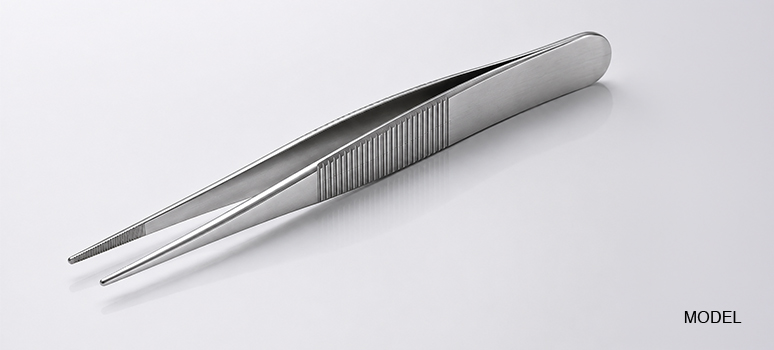
Medical tweezers are precision instruments designed for grasping, holding, manipulating, and extracting small objects or tissues during medical, surgical, dental, laboratory, and aesthetic procedures.
Unlike standard household tweezers, medical-grade versions are manufactured according to strict quality standards. They offer enhanced grip control, superior durability, and improved accuracy.
These instruments are available in various sizes, materials, and tip configurations to accommodate specialized clinical needs.
Common Applications in Healthcare
Medical professionals use tweezers in numerous settings, including:
- Surgical procedures
- Dermatology treatments
- Plastic surgery
- Ophthalmology
- Dentistry
- Emergency medicine
- Veterinary care
- Research laboratories
- Aesthetic medicine
Their versatility makes them indispensable tools across healthcare disciplines.
Why Precision Matters in Micro-Procedures
The Role of Accuracy in Patient Outcomes
Micro-procedures involve handling extremely small anatomical structures, tissues, or foreign materials. A slight error can significantly affect treatment success.
Professional-grade medical tweezers provide:
- Better control
- Reduced tissue trauma
- Enhanced procedural efficiency
- Greater confidence during delicate tasks
- Improved patient safety
Greater precision often leads to better patient outcomes.
Challenges of Using Low-Quality Instruments
Low-quality instruments can create avoidable complications:
| Challenge | Impact |
| Poor alignment | Reduced accuracy |
| Weak grip | Slippage during procedures |
| Corrosion | Hygiene concerns |
| Inconsistent tension | Operator fatigue |
| Low durability | Frequent replacement costs |
Investing in premium instruments helps minimize these risks.
Key Features of Professional-Grade Medical Tweezers
Superior Material Construction
The quality of the material directly influences performance.
Professional medical tweezers are commonly manufactured from:
- Surgical-grade stainless steel
- Titanium alloys
- Medical-grade polymers
- Specialty composites
These materials ensure durability and reliability under demanding conditions.
Ergonomic Design
Healthcare professionals often perform repetitive procedures throughout the day.
Ergonomic tweezers help reduce:
- Hand fatigue
- Wrist strain
- Grip discomfort
- Procedural errors
Comfort translates directly into greater precision.
Fine Tip Precision
One defining characteristic of premium tweezers is precise tip alignment.
Properly aligned tips allow clinicians to:
- Handle delicate tissues
- Remove splinters or debris
- Manipulate sutures
- Perform microsurgical tasks
Even microscopic inaccuracies can compromise performance.
Corrosion Resistance
Medical environments require frequent sterilization.
High-quality instruments resist:
- Rust
- Corrosion
- Chemical degradation
- Moisture damage
This extends product lifespan while maintaining patient safety.
Types of Medical Tweezers
Standard Tweezers
Standard tweezers are commonly used for routine clinical applications.
Features include:
- Straight tips
- Serrated grips
- General-purpose functionality
- Easy handling
These instruments are suitable for a broad range of procedures.
Medical Plastic Tweezers
Medical plastic tweezers have become increasingly popular in situations where disposability and contamination control are priorities.
Common uses include:
- Single-use procedures
- Specimen handling
- Emergency kits
- Laboratory work
Advantages include:
- Lightweight construction
- Cost-effectiveness
- Reduced cross-contamination risk
- Convenient disposal
Stainless Steel Medical Tweezers
Among all available options, stainless steel medical tweezers remain the gold standard.
Their benefits include:
- Exceptional durability
- Superior grip strength
- Repeated sterilization capability
- Excellent corrosion resistance
- Long-term cost efficiency
Healthcare professionals often prefer these instruments for demanding clinical environments.
Specialty Tweezers
Specialty designs address unique procedural requirements.
Examples include:
- Fine-point tweezers
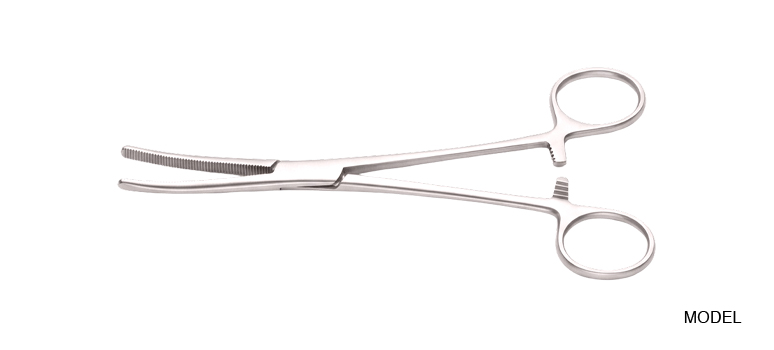
- Adson forceps
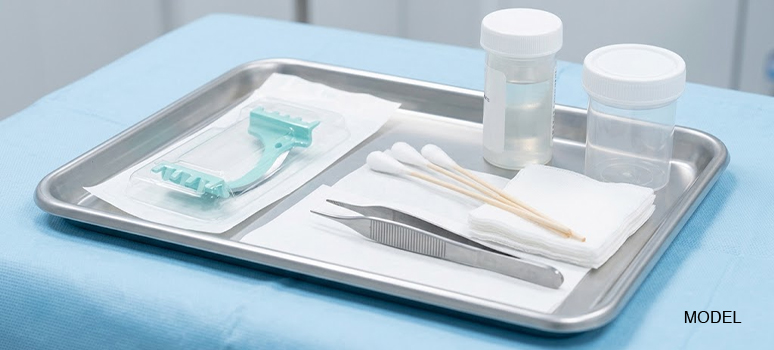
- Tissue forceps
- Dressing forceps
- Splinter forceps
- Micro-dissecting tweezers
Each design serves a specific clinical purpose.
Benefits of Stainless Steel Medical Tweezers
Durability
One major advantage of stainless steel medical tweezers is their remarkable longevity.
High-quality stainless steel withstands:
- Daily use
- Repeated sterilization
- Mechanical stress
- Chemical exposure
This durability minimizes replacement costs.
Sterilization Compatibility
Sterility is critical in healthcare settings.
Stainless steel instruments tolerate:
- Autoclaving
- Chemical sterilization
- Steam sterilization
- High-temperature disinfection
This flexibility supports infection prevention protocols.
Long-Term Value
Although initial costs may be higher, stainless steel medical tweezers often provide greater long-term value.
Benefits include:
- Reduced maintenance expenses
- Fewer replacements
- Consistent performance
- Enhanced reliability
Many facilities view them as a worthwhile investment.
Medical Plastic Tweezers: When Are They the Best Choice?
Disposable Applications
Certain procedures benefit from single-use instruments.
Medical plastic tweezers are ideal for:
- Emergency departments
- Outpatient clinics
- Specimen collection
- Infectious disease management
Their disposable nature simplifies workflow.
Contamination Prevention
Cross-contamination remains a major concern in healthcare.
Using disposable medical plastic tweezers helps:
- Reduce infection risks
- Improve compliance
- Streamline disposal protocols
- Enhance safety procedures
They serve as an effective infection-control solution.
How to Choose the Right Medical Tweezers
Choosing the right medical tweezers depends on procedural needs.
Procedure Requirements
Ask yourself:
- Will the instrument contact tissue?
- Is extreme precision required?
- Will repeated sterilization occur?
- Is disposability important?
Answering these questions helps narrow your options.
Tip Configuration
Different procedures require different tip designs.
Common configurations include:
| Tip Type | Best Use |
| Fine Point | Microsurgery |
| Blunt Tip | General handling |
| Serrated Tip | Improved grip |
| Angled Tip | Hard-to-reach areas |
Choosing the correct tip enhances efficiency.
Material Selection
Material choice significantly affects performance.
Choose Medical Plastic Tweezers When:
- Single-use applications are preferred
- Cost control is important
- Contamination risk is high
Choose Stainless Steel Medical Tweezers When:
- Durability is required
- Precision is essential
- Sterilization is frequent
- Long-term use is expected
Why Professionals Trust Robbins Instruments
When healthcare providers need dependable instruments, Robbins Instruments consistently stands out as a trusted supplier.
You can explore their extensive catalog at: Robbins Instruments
Robbins Instruments is known for delivering:
- Premium surgical instruments
- Precision manufacturing
- Exceptional quality standards
- Reliable customer support
- Industry expertise
Their selection of medical tweezers, medical plastic tweezers, and stainless steel medical tweezers meets the demanding requirements of healthcare professionals across multiple specialties.
Whether you’re equipping an operating room, outpatient clinic, dermatology practice, or laboratory, Robbins Instruments offers solutions designed for performance and longevity.
Conclusion
Precision is the foundation of successful healthcare procedures, and the right instruments make all the difference. Professional-grade medical tweezers deliver the control, reliability, and performance needed for modern clinical environments. Whether you choose disposable medical plastic tweezers for infection control or durable stainless steel medical tweezers for long-term use, investing in quality instruments supports better outcomes and greater efficiency.
Healthcare professionals who prioritize excellence understand that even the smallest tools can have a significant impact. By selecting premium instruments from trusted suppliers like Robbins Instruments, you can enhance procedural accuracy, improve workflow, and maintain the highest standards of patient care.
If you’re ready to elevate your micro-procedures, now is the perfect time to evaluate your current instrument selection and upgrade to professional-grade solutions designed for ultimate accuracy.
FAQS
1. What are medical tweezers used for?
Medical tweezers are used to grasp, manipulate, remove, and position small objects, tissues, sutures, and specimens during medical and laboratory procedures.
2. Are stainless steel medical tweezers better than plastic tweezers?
It depends on the application. Stainless steel medical tweezers offer superior durability and precision, while medical plastic tweezers provide disposable convenience and contamination control.
3. How long do stainless steel medical tweezers last?
With proper maintenance and sterilization, high-quality stainless steel medical tweezers can last for many years while maintaining excellent performance.
4. Can medical tweezers be sterilized?
Yes. Most professional-grade medical tweezers are designed to withstand standard sterilization methods, including autoclaving and chemical disinfection.
5. Why is tip alignment important in tweezers?
Proper tip alignment ensures accurate gripping and handling, reducing slippage and improving procedural precision.