Introduction: Why Fat Collectors Matter More Than Ever
When it comes to modern plastic and reconstructive surgery, every detail matters. Patients trust their surgeons not only for artistry but also for safety and precision. Whether it’s liposuction, fat grafting, or body contouring, the tools used behind the scenes can make all the difference in the outcome.
One of the most underrated yet crucial instruments in this process is the fat collector. At first glance, it might look like a simple container, but in reality, it plays a vital role in preserving fat quality and protecting patients from unnecessary risks. A poorly designed system can cause contamination, tissue loss, and unpredictable results. By contrast, a high-quality fat collector canister such as the ones included in the Robbins Instruments fat collection canister package ensures safety, consistency, and efficiency throughout the procedure.
What Is a Fat Collector?
A fat collector is a specialized surgical device designed to capture and store fat during liposuction or fat transfer procedures. Instead of allowing the extracted fat to mix with fluids and debris in standard suction canisters, the fat collector separates viable adipose tissue for reuse.
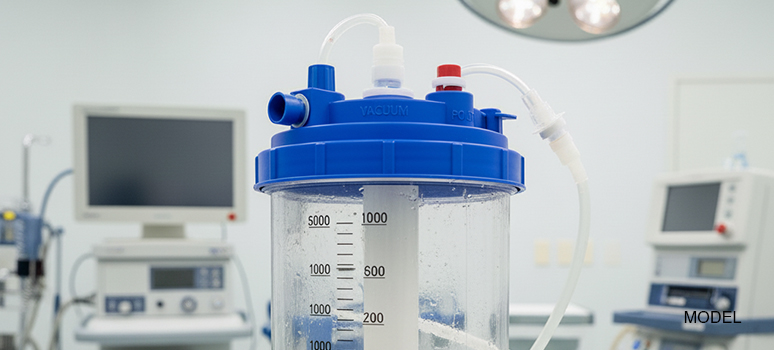
The device generally includes a fat collector canister, a sterile, transparent container that connects directly to the liposuction system. By maintaining sterility and separation, the collector preserves fat cells for reinjection especially important for procedures like Brazilian Butt Lift (BBL), breast augmentation with fat transfer, and facial rejuvenation.
In essence, a fat collector makes fat grafting procedures more efficient, safer, and predictable.
Why Surgeons Use Fat Collectors
Fat collectors have become essential for several reasons:
- Improved Fat Viability
By isolating fat from excess fluids, blood, and anesthetic solution, the fat collection canister package ensures that only high-quality adipose tissue is collected. This enhances graft survival rates when fat is reinjected.
- Sterility and Safety
The closed system of a collector minimizes the risk of contamination, ensuring that harvested fat remains suitable for autologous transfer.
- Efficiency in Procedures
Instead of manually filtering or separating fat, surgeons can rely on the collector to streamline the process, saving valuable time during surgery.
- Precise Measurement
Most canisters are marked with volume indicators, allowing surgeons to monitor exactly how much fat has been harvested, which helps with planning and precision.
Components of a Fat Collector Canister
A high-quality fat collector canister is not just a simple container— it’s a carefully engineered device. Here are the key components you’ll typically find:
- Sterile Canister: Usually made from durable, medical-grade plastic or stainless steel.
- Tubing Ports: Designed for secure connections between suction cannulas, vacuum pumps, and reinjection systems.
- Filters/Separators: Some advanced systems include filtration that helps separate fat cells from fluids.
- Graduation Markings: To measure fat volume accurately.
- Secure Lid: With leak-proof seals to maintain sterility.
The Fat Collection Canister Package: What’s Included
When purchasing a fat collection canister package from a trusted supplier like Robbins Instruments, surgeons receive a complete, ready-to-use kit. Typical packages include:
- Multiple sterile canisters
- Disposable tubing sets
- Collection lids with built-in filtration
- Secure sealing mechanisms
- User instructions and sterilization guidelines
Robbins Instruments ensures that each package adheres to the highest standards of medical safety, making it easier for surgical teams to focus on patient outcomes.
How Fat Collectors Work in Liposuction
The process of using a fat collector during liposuction is straightforward yet highly effective:
- Fat Extraction: The surgeon inserts a liposuction cannula into the targeted area.
- Transfer Through Tubing: Suction draws the fat through sterile tubing into the fat collector canister.
- Separation of Fluids: Depending on the system, fluids are either diverted or naturally separate within the canister.
- Collection of Viable Fat: The adipose tissue settles in the canister, ready for reinjection.
- Reinjection: The surgeon transfers purified fat into the desired area, such as the buttocks, breasts, or face.
This closed-loop system minimizes contamination risks and preserves cell viability, which is crucial for successful fat grafting.
Benefits of Using a Fat Collector Canister
1. Higher Patient Safety
Since the system is closed and sterile, patients are less likely to face infection or contamination risks.
2. Better Fat Quality
The device preserves fat integrity, which leads to higher graft survival rates.
3. Time Efficiency for Surgeons
The automatic separation of fat and fluids eliminates the need for manual processing.
4. Cost-Effectiveness
While a fat collection canister package requires an initial investment, it reduces the need for disposable filtration devices and saves valuable surgical time.
5. Consistency and Accuracy
Surgeons can measure exact fat volumes, improving surgical planning and patient communication.
Choosing the Right Fat Collector Canister
Not all fat collectors are created equal. When selecting the right system, surgeons should consider:
- Material Quality: Medical-grade plastic or stainless steel for durability and sterility.
- Capacity: Depending on procedure size, canisters come in various volumes.
- Compatibility: Ensure the collector fits with existing liposuction machines and tubing.
- Ease of Use: Simple assembly and disassembly streamline time in the operating room.
- Regulatory Compliance: Devices should meet FDA, CE, or equivalent medical safety standards.
Robbins Instruments designs fat collector systems with these factors in mind, ensuring surgeons receive only the most reliable equipment.
Best Practices for Using Fat Collectors
To maximize the benefits of your fat collector, follow these guidelines:
1. Always Maintain Sterility
- Use sterile techniques when assembling the tubing, canister, and collection lid.
2. Check Compatibility Before Procedures
- Ensure the canister fits your suction equipment to avoid leaks or suction loss.
3. Monitor Volume Indicators
- Keep track of fat volume for accurate reinjection.
4. Dispose or Re-Sterilize Properly
- Follow manufacturer instructions for safe disposal or re-sterilization of reusable parts.
5. Train Surgical Staff
- All operating room staff should be familiar with the canister system to avoid errors.
Innovations in Fat Collection Technology
Modern fat collectors are evolving rapidly. Some advanced systems now include:
- Closed-loop reinjection systems that transfer fat directly back into syringes.
- Built-in filtration mechanisms for higher fat purity.
- Lightweight, ergonomic designs for easy handling.
- Eco-friendly disposable options that reduce sterilization needs.
Robbins Instruments remains at the forefront of these innovations, consistently updating product lines to match the latest surgical needs.
Why Robbins Instruments Fat Collector Packages Stand Out
- Durability: Built from premium materials that withstand repeated use.
- Precision Engineering: Leak-proof seals and clear volume markers.
- Surgeon-Friendly Design: Intuitive assembly saves time.
- Comprehensive Packages: Includes everything needed for safe fat collection.
- Global Recognition: Trusted by surgeons worldwide.
By investing in Robbins Instruments, surgical teams can perform with confidence, knowing their tools are optimized for patient safety and successful outcomes.
Conclusion: Elevating Patient Care with Fat Collectors
The fat collector may not be the most glamorous instrument in the operating room, but it plays a vital role in ensuring surgical success. From enhancing fat viability to preserving sterility, a well-designed fat collector canister helps both surgeons and patients achieve safe, reliable results.
For medical professionals who demand precision and reliability, the fat collection canister packages from Robbins Instruments offer the gold standard. By choosing the right tools, surgeons not only streamline their workflow but also improve patient satisfaction and long-term results.
FAQS
1. What is the main purpose of a fat collector?
A fat collector isolates and stores viable fat during liposuction, making it ready for reinjection in fat transfer procedures.
2. How does a fat collector canister differ from a regular suction canister?
Unlike standard suction canisters, a fat collector canister is designed to preserve adipose tissue while separating unwanted fluids and debris.
3. Are Robbins Instruments fat collection canister packages reusable?
Some components are reusable, while others are disposable. Robbins provides clear guidelines for safe sterilization and disposal.
4. Why is fat viability important in fat transfer surgeries?
High fat viability ensures better graft survival, meaning the transferred fat is more likely to integrate successfully into the target area.
5. Can all liposuction systems use a fat collector canister?
Most fat collectors are designed to be compatible with standard suction systems, but surgeons should always confirm compatibility before use.