
Command Every Incision: Premium Dissecting Scissors for Unparalleled Tissue Separation
Introduction
In every surgical procedure, precision is not simply a preference—it is a necessity. The ability to separate tissue cleanly, preserve delicate structures, and maintain exceptional control can directly influence surgical outcomes. Among the many instruments found on a surgical tray, dissecting scissors remain one of the most essential tools for achieving meticulous tissue handling and accurate dissection.
Whether performing plastic surgery, general surgery, dermatologic procedures, ENT interventions, or delicate reconstructive operations, surgeons depend on reliable dissecting scissors to navigate anatomical structures with confidence. Choosing the right instrument can significantly improve visibility, reduce tissue trauma, and enhance procedural efficiency.
Why Dissecting Scissors Are Essential in Modern Surgery
Dissection involves separating tissues to expose underlying anatomy while minimizing damage. Unlike standard cutting instruments, dissecting scissors are specifically engineered to provide controlled tissue separation with remarkable precision.
The effectiveness of a surgical procedure often depends on how accurately tissues are handled. Poorly manufactured scissors can cause:
- Excessive tissue trauma
- Jagged cuts
- Reduced visibility
- Surgeon fatigue
- Longer operative times
- Increased risk of complications
Premium dissecting scissors address these concerns by offering sharp cutting edges, ergonomic balance, and superior maneuverability.
When surgeons invest in high-quality instruments, they gain greater confidence throughout every stage of a procedure.
Understanding the Anatomy of Dissecting Scissors
To appreciate the value of premium surgical instruments, it is important to understand the design elements that contribute to their performance.
Sharp Blades
High-performance dissecting scissors feature precision-ground blades capable of delivering clean cuts through various tissue types.
Balanced Construction
Proper weight distribution allows surgeons to maintain control during extended procedures.
Fine Tips
Many dissecting scissors incorporate narrow tips for accessing confined surgical fields.
Premium Stainless Steel
Medical-grade stainless steel provides exceptional corrosion resistance, durability, and long-term performance.
Ergonomic Finger Rings
Comfortable finger placement reduces hand fatigue and supports precise movement.
Together, these design characteristics enable surgeons to perform intricate dissections with confidence and accuracy.
The Different Types of Dissecting Scissors
Not all dissecting scissors are designed for the same purpose. Different procedures require different blade configurations and cutting capabilities.
Among the most commonly used options are mayo dissecting scissors, iris scissors, and metzenbaum dissecting scissors.
Mayo Dissecting Scissors: Strength for Dense Tissue Dissection
What Are Mayo Dissecting Scissors?
Mayo dissecting scissors are robust surgical instruments designed to cut thicker tissues, fascia, muscle, and sutures. Their sturdy construction makes them indispensable in many surgical specialties.
They are available in:
- Straight configurations
- Curved configurations
- Various lengths
- Tungsten carbide inserts for enhanced durability
Advantages of Mayo Dissecting Scissors
Exceptional Strength
Mayo scissors excel when dissecting dense tissue structures that require additional cutting power.
Versatility
They are commonly used in:
- General surgery
- Orthopedic surgery
- Plastic surgery
- Gynecological procedures
Long-Term Durability
Premium mayo dissecting scissors maintain cutting performance even after repeated sterilization cycles.
Reliable Tissue Control
Their heavier construction allows surgeons to apply controlled force without sacrificing precision.
For procedures involving thick tissue planes, mayo dissecting scissors remain a trusted choice across operating rooms worldwide.
Iris Scissors: Precision for Delicate Procedures
What Are Iris Scissors?
Originally developed for ophthalmic surgery, iris scissors are small, highly precise instruments designed for fine dissection and detailed cutting tasks.
Their compact size and sharp tips make them ideal for delicate surgical applications.
Key Features of Iris Scissors
- Extremely sharp blades
- Fine-point tips
- Lightweight design
- Enhanced maneuverability
Applications of Iris Scissors
Iris scissors are frequently used in:
- Ophthalmology
- Dermatology
- Plastic surgery
- Microsurgery
- Facial procedures
Benefits of Iris Scissors
Superior Precision
The fine tips allow surgeons to work in confined spaces with exceptional accuracy.
Minimal Tissue Trauma
Their delicate design supports atraumatic tissue handling.
Excellent Visibility
Smaller blades improve visualization of critical structures.
Versatile Performance
Many surgeons utilize iris scissors for suture trimming and intricate soft-tissue work.
When precision is paramount, iris scissors deliver unmatched control.
Metzenbaum Dissecting Scissors: The Gold Standard for Soft Tissue Dissection
What Are Metzenbaum Dissecting Scissors?
Among all dissecting instruments, metzenbaum dissecting scissors are widely regarded as the preferred tool for delicate tissue separation.
These scissors feature long handles and shorter blades specifically designed for soft tissue dissection.
Characteristics of Metzenbaum Dissecting Scissors
- Slim blade profile
- Curved or straight blades
- Lightweight construction
- Long shanks for deep access
Why Surgeons Prefer Metzenbaum Dissecting Scissors
Gentle Tissue Handling
Metzenbaum scissors minimize unnecessary tissue damage.
Deep Surgical Access
Their long handles allow access to deeper operative fields.
Enhanced Precision
The blade geometry supports controlled dissection around sensitive structures.
Versatile Surgical Applications
Metzenbaum dissecting scissors are commonly used in:
- Plastic surgery
- Cardiovascular surgery
- General surgery
- ENT procedures
- Reconstructive surgery
For delicate tissue work, few instruments rival the effectiveness of metzenbaum dissecting scissors.
How Premium Dissecting Scissors Improve Surgical Outcomes
The quality of surgical instruments directly influences procedural performance.
Cleaner Tissue Separation
Sharp blades produce smooth, precise cuts that preserve tissue integrity.
Reduced Operative Time
Reliable instruments help surgeons work more efficiently.
Enhanced Surgical Precision
Better control improves accuracy throughout the procedure.
Decreased Tissue Trauma
Premium scissors reduce crushing and tearing of tissues.
Improved Patient Recovery
Less tissue damage often contributes to faster healing and better cosmetic results.
These benefits highlight why investing in premium dissecting scissors is essential for modern surgical practices.
Choosing the Right Dissecting Scissors for Your Procedure
Selecting the appropriate instrument depends on several factors.
Type of Tissue
- Dense tissue: Mayo dissecting scissors
- Delicate tissue: Metzenbaum dissecting scissors
- Fine precision work: Iris scissors
Depth of Surgical Field
Longer instruments may be necessary for deeper procedures.
Procedure Complexity
Complex dissections often require specialized blade configurations.
Surgeon Preference
Instrument familiarity plays a significant role in surgical performance.
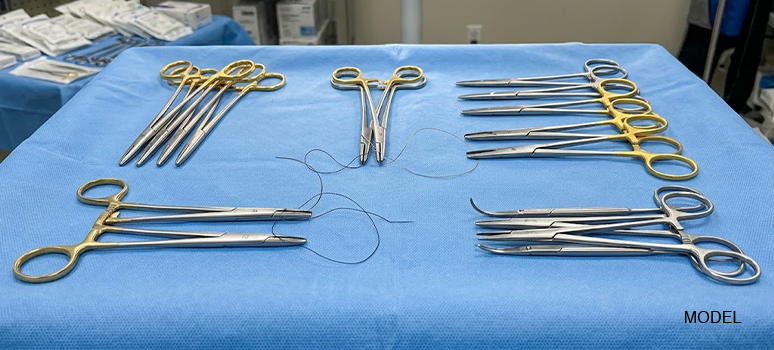
Many experienced surgeons maintain multiple dissecting scissors on their trays to address varying procedural requirements.
The Future of Surgical Dissection Instruments
As surgical techniques evolve, instrument manufacturers continue introducing innovations focused on precision and efficiency.
Emerging trends include:
- Advanced alloy materials
- Enhanced ergonomic designs
- Tungsten carbide cutting inserts
- Improved surface finishes
- Greater instrument longevity
Dissection involves separating tissues to expose underlying anatomy while minimizing damage.
Premium dissecting scissors will continue to play a central role in surgical success for years to come.
Conclusion
Every successful procedure depends on precise tissue handling, controlled dissection, and dependable surgical instruments. High-quality dissecting scissors empower surgeons to separate tissues accurately while minimizing trauma and maximizing efficiency.
Whether utilizing the strength of mayo dissecting scissors, the delicate precision of iris scissors, or the versatility of metzenbaum dissecting scissors, selecting the right instrument is essential for achieving optimal outcomes.
Healthcare professionals seeking exceptional quality, durability, and performance consistently turn to Robbins Instruments. Their commitment to surgical excellence ensures that every incision, dissection, and procedure is supported by instruments engineered to perform when it matters most.
Investing in premium dissecting scissors is more than an equipment decision—it is a commitment to surgical precision, patient safety, and clinical excellence.
FAQS
1. What are dissecting scissors used for?
Dissecting scissors are specialized surgical instruments used to separate, cut, and dissect tissue during medical procedures while minimizing tissue trauma and maximizing precision.
2. What is the difference between mayo dissecting scissors and metzenbaum dissecting scissors?
Mayo dissecting scissors are designed for cutting thicker tissues such as fascia and muscle, while metzenbaum dissecting scissors are intended for delicate soft tissue dissection and precise tissue separation.
3. Why are iris scissors commonly used in plastic surgery?
Iris scissors offer exceptional precision, fine tips, and superior control, making them ideal for delicate procedures that require meticulous tissue handling.
4. How often should dissecting scissors be sharpened?
The frequency depends on usage volume and tissue types encountered. Routine inspections should be performed regularly, and sharpening should occur whenever cutting performance declines.
5. Why choose Robbins Instruments for surgical scissors?
Robbins Instruments provides premium-quality surgical instruments manufactured to exacting standards, offering durability, precision, reliability, and long-term value for healthcare professionals.