Introduction: Why Skin Cooling Matters in Modern Dermatology
In today’s dermatology clinics, precision and patient comfort are equally important. Whether it’s for procedures like mole removal, wart treatment, acne therapy, or laser-based skin rejuvenation, patients expect not only effective results but also minimal discomfort. This is where dermatology cryotherapy units play a crucial role.
Cryotherapy, the therapeutic use of extreme cold has been used in dermatology for decades. But with advanced innovations such as the Freddo Skin Cooler and other specialized skin cooling systems, practitioners now have better tools than ever to improve safety, accuracy, and patient satisfaction.
What Are Dermatology Cryotherapy Units?
At their core, dermatology cryotherapy units are medical devices designed to apply controlled cold temperatures to targeted skin areas. This cooling effect is used for:
- Destruction of unwanted tissue such as warts, keratoses, or precancerous lesions.
- Pain reduction during procedures like injections or laser treatments.
- Skin cooling to minimize inflammation, redness, and swelling after treatment.
Unlike traditional ice packs or sprays, these units allow for precise temperature control and targeted application, making them far more effective in professional dermatology settings.
The Evolution of Cryotherapy in Dermatology
Cryotherapy has been a trusted dermatology technique for over 100 years, originally using liquid nitrogen or carbon dioxide snow. While effective, early methods had drawbacks, including uncontrolled application, risk of overtreatment, and patient discomfort.
Modern cryotherapy units have solved these problems. Devices like the Freddo Skin Cooler now provide digital precision, consistent airflow, and adjustable cooling levels — making treatments safer, more efficient, and far more comfortable for patients.
Key Benefits of Dermatology Cryotherapy Units
1. Precision in Treatment
Unlike older freezing sprays or improvised cooling techniques, cryotherapy units allow dermatologists to deliver exact cooling intensity to targeted areas. This precision helps minimizes damage to surrounding healthy tissue.
2. Enhanced Patient Comfort
Procedures like laser hair removal, tattoo removal, or microneedling can cause heat, redness, and discomfort. Using skin cooling with cryotherapy units significantly reduces pain and improves the overall treatment experience.
3. Reduced Recovery Time
By calming inflammation and reducing swelling, cryotherapy helps patients recover more quickly after procedures. This means less downtime and higher satisfaction rates.
4. Versatility Across Treatments
Cryotherapy units are not just for removing warts or skin tags. They are now widely used in cosmetic dermatology to improve patient comfort during energy-based treatments, injections, and surgical dermatology procedures.
5. Improved Safety
Controlled cooling reduces the risk of burns, scars, and pigmentation changes— complications that were common with older cryotherapy methods.
The Role of the Freddo Skin Cooler in Modern Dermatology
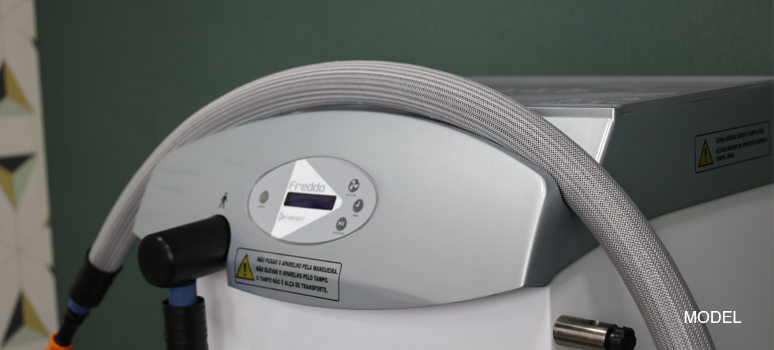
Among the most trusted devices in today’s dermatology field is the Freddo Skin Cooler, available from Robbins Instruments.
What Is the Freddo Skin Cooler?
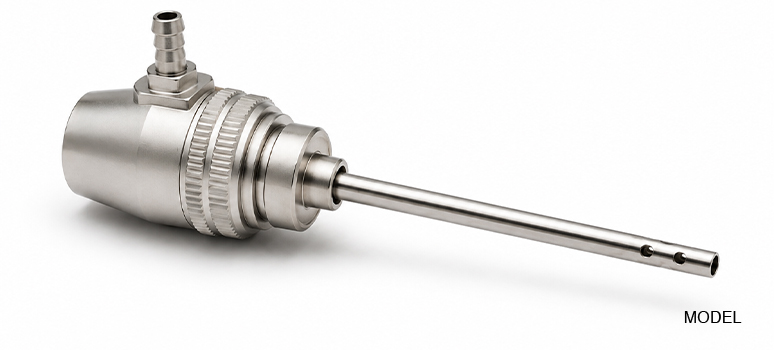
The Freddo Skin Cooler is an advanced skin cooling device that uses chilled air to reduce discomfort and protect the skin during dermatological and cosmetic treatments.
Key Features:
- Adjustable airflow levels for customized cooling.
- Consistent cooling throughout procedures.
- Portable, ergonomic design for easy clinical use.
- Compatible with a wide range of treatments including laser therapy, microneedling, and injectables.
Why Dermatologists Choose Freddo
Dermatologists prefer the Freddo Skin Cooler because it offers non-contact cooling, reducing the risk of contamination while ensuring excellent results. Patients appreciate the comfort, while clinicians benefit from efficiency and reliability.
Cryotherapy Applications in Dermatology
1. Medical Dermatology
- Wart and lesion removal: Cryotherapy units are widely used to freeze and destroy viral warts, seborrheic keratoses, and actinic keratoses.
- Precancerous lesions: Controlled freezing can effectively treat early precancerous skin changes, helping prevent progression.
2. Cosmetic Dermatology
- Laser treatments: Skin cooling before, during, and after laser resurfacing, hair removal, or pigmentation treatments dramatically improves patient comfort.
- Microneedling: A microneedling session paired with cryotherapy reduces redness and speeds healing.
- Injectables: Cooling the skin before Botox, dermal fillers, or other injections decreases pain and bruising.
3. Post-Treatment Care
Cryotherapy units are also used after procedures to reduce inflammation, redness, and risk of complications, giving patients a smoother recovery.
How Cryotherapy Units Work: The Science of Skin Cooling
Cryotherapy units function by delivering controlled cold air to the skin. The cooling process works through:
- Vasoconstriction – Cold temperatures cause blood vessels to narrow, reducing blood flow and swelling.
- Nerve desensitization – Cooling reduces nerve activity, which lessens pain sensation.
- Metabolic slowdown – Cold temperatures slow cellular activity, which reduces inflammation and potential damage.
Unlike ice packs or gels that can be inconsistent, cryotherapy units maintain constant cooling throughout treatment, ensuring maximum benefit.
Choosing the Right Dermatology Cryotherapy Unit
If you are a dermatologist or clinic owner, selecting the right unit can significantly impact your practice. Here’s what to consider:
- Temperature control: Look for units that allow precise adjustment.
- Ease of use: Portable and ergonomic designs are ideal for busy practices.
- Compatibility: Ensure the unit works with a wide range of treatments.
- Safety features: Non-contact cooling and consistent airflow are essential.
- Reliability: Trusted brands like Robbins Instruments deliver durable, medical-grade devices such as the Freddo Skin Cooler.
Actionable Tips for Using Cryotherapy Units in Dermatology
- Always start with patient assessment – Not all patients are candidates for cryotherapy. Screen for cold intolerance or conditions like Raynaud’s disease.
- Pair with other treatments – Use cryotherapy before and after laser or microneedling for best results.
- Adjust cooling levels – Customize airflow intensity based on patient comfort and treatment type.
- Educate patients – Explain the role of cryotherapy to reassure them and improve compliance.
- Maintain your equipment – Regularly clean and service your unit regularly to ensure optimal performance.
Why Robbins Instruments Is a Trusted Source for Cryotherapy Units
For over 70 years, Robbins Instruments has supplied high-quality surgical and dermatology instruments to clinics and hospitals worldwide. Their reputation for excellence ensures that when you purchase equipment like the Freddo Skin Cooler, you’re investing in durability, precision, and patient safety.
Robbins Instruments isn’t just a supplier— they are a trusted partner for dermatologists seeking reliable equipment to elevate patient care.
Conclusion: Elevating Dermatology with Cryotherapy Technology
The future of dermatology is not only about achieving results— it’s about achieving results comfortably, safely, and efficiently. Dermatology cryotherapy units, especially advanced systems like the Freddo Skin Cooler from Robbins Instruments, represent a new era of patient-centered care.
By integrating cryotherapy into both medical and cosmetic dermatology practices, clinicians can reduce discomfort, speed healing, and deliver superior outcomes. For dermatologists who want to stay at the forefront of modern skin care, investing in reliable cryotherapy technology is no longer optional— it’s essential.
FAQS
1. What is the difference between liquid nitrogen and cryotherapy units?
Liquid nitrogen is applied directly to freeze tissue, often used for warts or precancerous lesions. Cryotherapy units like the Freddo Skin Cooler provide non-contact cooling with chilled air, ideal for comfort during cosmetic and laser treatments.
2. Can cryotherapy units be used for all skin types?
Yes. Modern skin cooling devices are safe for all skin types, though settings should be adjusted for sensitivity.
3. How long should cooling be applied during procedures?
It depends on the treatment. Typically, cooling is applied before, during, and after a procedure for maximum comfort and protection.
4. Are cryotherapy units safe for children?
Yes, under professional supervision. Dermatologists often use cryotherapy for treating warts in children, with appropriate safety measures.
5. How do I maintain a cryotherapy unit?
Routine cleaning, filter replacement, and periodic servicing ensure consistent performance. Devices from Robbins Instruments are designed for durability and easy maintenance.