Introduction: Why Do Surgical Scissors Fail So Quickly?
Every surgeon, dermatologist, or aesthetic practitioner has experienced it when a once-perfect pair of scissors suddenly begins to drag, bend tissue, or lose its crisp cutting edge. Instead of smooth, precise incisions, you get resistance. Instead of efficiency, you get fatigue. And instead of confidence, you get doubt.
Frequent sharpening, premature corrosion, tissue trauma, and procedure delays aren’t just frustrating—they can impact clinical outcomes and patient satisfaction.
These problems aren’t just frustrating; they directly affect clinical outcomes and patient satisfaction.
Traditional stainless-steel scissors battle friction, moisture, sterilization chemicals, and biological debris, which gradually dull the cutting edge.
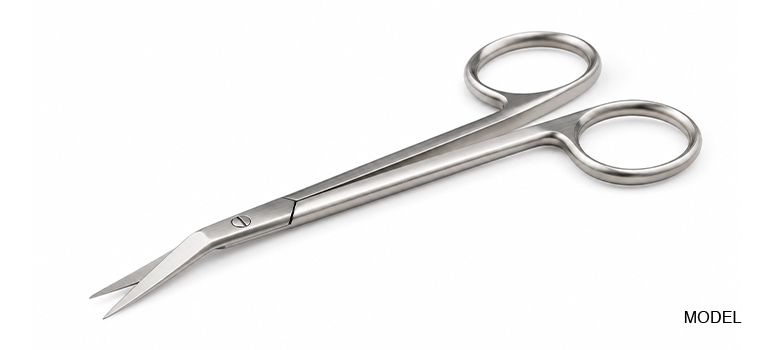
That’s where ceramic coated supercut scissors for durability change everything.
Modern coatings now allow surgical instruments to resist wear, maintain sharpness longer, and perform consistently across thousands of procedures. Leading manufacturers like Robbins Instruments have adopted advanced coating technology to dramatically extend instrument life while preserving surgical precision.
Understanding Supercut Scissors: The Science Behind Precision
Not all surgical scissors are built the same. The term supercut scissors refers to a specific blade design engineered to improve cutting efficiency and tissue control.
Standard vs Supercut Blade Design
Standard Scissors
- Both blades smooth
- Require more pressure
- Can push tissue away before cutting
- Increased hand fatigue
Supercut Scissors
- One razor-sharp blade
- One micro-serrated blade
- Grips tissue securely
- Cuts cleanly with minimal force
The micro-serrations hold delicate tissue steady while the razor edge performs the cut. This reduces slippage, a major cause of jagged incisions.
Why This Matters Clinically
Better cutting mechanics mean:
- Reduced tissue trauma
- Faster procedures
- Less surgeon fatigue
- Improved healing outcomes
- More consistent surgical results
However, even supercut edges dull over time unless reinforced.
That’s where ceramic coating technology becomes revolutionary.
What Makes Ceramic Coated Supercut Scissors Different?
Ceramic coating is not paint, plating, or cosmetic coloring.
It is a microscopic, bonded layer of extremely hard material applied to the metal surface to improve mechanical performance.
Key Material Properties
| Property | Stainless Steel | Ceramic Coated Surface |
| Hardness | Moderate | Extremely High |
| Friction | Medium | Ultra Low |
| Corrosion Resistance | Good | Excellent |
| Edge Retention | Limited | Extended |
| Sterilization Resistance | Moderate | Very High |
The result is dramatically improved performance across repeated sterilization cycles.
How Ceramic Coating Improves Durability
1. Reduced Friction = Less Edge Wear
During cutting, microscopic metal particles break off due to friction. This is the main cause of dull instruments.
Ceramic coating creates a smoother surface that:
- Reduces resistance
- Prevents metal fatigue
- Preserves sharpness longer
This allows ceramic coated supercut scissors to maintain performance across hundreds of procedures.
2. Superior Corrosion Resistance
Autoclaves, disinfectants, and bodily fluids accelerate oxidation.
Ceramic coatings create a chemical barrier that protects against:
- Pitting
- Rust
- Surface degradation
- Chemical staining
This dramatically increases instrument longevity.
3. Thermal Stability During Sterilization
Repeated sterilization cycles cause metal expansion and contraction. Over time, this weakens edges.
Ceramic coatings tolerate high temperatures better than steel alone, preventing microscopic structural damage.
4. Reduced Tissue Adhesion
Biological debris sticks to uncoated steel surfaces.
Ceramic surfaces are non-stick, which:
- Improves cutting smoothness
- Simplifies cleaning
- Reduces cross-contamination risk
Why Surgeons Prefer Ceramic Scissors in Modern Practice
Many practitioners initially purchase ceramic scissors for aesthetics — black matte finish, sleek appearance but quickly realize performance benefits matter more.
Practical Advantages
- Consistent cutting feel
- Fewer sharpening cycles
- Lower long-term cost
- Improved procedure efficiency
- Better tactile feedback
In high-volume clinics, instrument downtime is costly. A longer-lasting edge means fewer replacements and less workflow interruption.
Ideal Procedures for Ceramic Coated Supercut Scissors
Because of their durability and control, these scissors are ideal for delicate procedures.
Dermatology & Aesthetics
- Skin excisions
- Lesion removal
- Scar revision
- Graft trimming
Plastic Surgery
- Tissue dissection
- Fine suturing work
- Blepharoplasty
- Rhinoplasty
General Surgery
- Soft tissue cutting
- Dressing removal
- Precise trimming
Wherever tissue preservation matters, controlled cutting improves healing.
Maintenance Tips to Maximize Lifespan
Even the most durable scissors require proper care.
Daily Care
- Rinse immediately after use
- Remove biological debris before drying
- Avoid saline soaking
Cleaning
- Use neutral pH detergents
- Avoid abrasive brushes
- Ultrasonic cleaning recommended
Sterilization
- Open jaws during autoclaving
- Avoid stacking instruments
- Lubricate pivot points regularly
Storage
- Use tip protectors
- Separate heavy instruments
- Store dry
Proper care can double instrument lifespan even for ceramic coated supercut scissors.
Choosing the Right Scissors for Your Practice
When selecting scissors, focus on functionality — not just size.
Key Selection Factors
- Tip Type
- Sharp: precision dissection
- Blunt: safety cutting
- Length
- Short: control
- Long: reach
- Curvature
- Straight: surface cutting
- Curved: contour cutting
- Handle Style
- Ring handles: control
- Spring handles: repetitive tasks
Common Mistakes That Shorten Instrument Life
Many clinicians unknowingly damage instruments.
Avoid These Errors
- Cutting sutures with tissue scissors
- Dropping instruments into trays
- Using harsh chemicals
- Dry heat sterilization
- Improper storage
Even premium instruments fail prematurely under misuse.
Future of Surgical Cutting Instruments
Medical instrument engineering continues evolving toward:
- Nano-coatings
- Anti-microbial surfaces
- Lightweight alloys
- Smart wear detection
But currently, ceramic coated supercut scissors represent one of the most effective real-world upgrades available today.
Conclusion: Upgrade Precision, Reduce Replacement
Instruments are the extension of a surgeon’s hands. When they fail, performance suffers. When they perform consistently, confidence rises.
Modern practices cannot rely on outdated tools that dull quickly and require constant maintenance. Investing in high-performance scissors improves both workflow and patient outcomes.
If your clinic regularly replaces dull instruments, the solution isn’t buying more — it’s upgrading smarter.
Adopting high-quality ceramic coated supercut scissors ensures:
- Reliable performance
- Long-term cost savings
- Improved clinical efficiency
Precision tools lead to precise outcomes and better care.
FAQS
1. How long do ceramic coated supercut scissors last?
With proper care, they can last several times longer than standard stainless-steel scissors because the coating protects the cutting edge from wear and corrosion.
2. Can ceramic scissors be sharpened?
Yes, but less frequently. Specialized sharpening services should handle them to preserve the coating.
3. Are ceramic coated scissors safe for autoclaving?
Absolutely. They tolerate repeated sterilization cycles better than standard instruments.
4. Do supercut scissors damage delicate tissue?
No, they actually reduce tissue trauma because the serrated edge grips tissue instead of pushing it.
5. Are they worth the higher price?
Yes. Lower replacement frequency and consistent performance make them more cost-effective over time.