
Introduction
In the highly sought-after field of cosmetic surgery, liposuction stands out, yet its true success hinges on the instruments. At the core of this procedure is the cannula for liposuction, a purpose-built device essential for targeted fat aspiration. Surgeons recognize that the selection of the specific liposuction cannula is paramount, as it directly affects precision, minimizes patient risk, and ultimately determines the quality of the outcome.
This comprehensive guide will help you understand everything about liposuction cannula types, how they work, and what makes each design unique. Whether you are a surgeon, a medical student, or simply someone curious about cosmetic surgery innovations, this article offers insights into the types of liposuction cannulas and their applications. We’ll also highlight how trusted suppliers like Robbins Instruments support surgeons worldwide with premium-quality surgical tools.
What Is a Cannula for Liposuction?
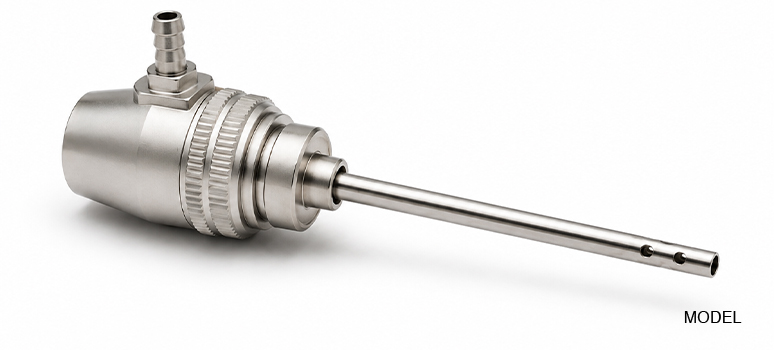
A liposuction cannula is a thin, hollow tube that connects to a suction device. Surgeons insert it into small incisions to break down and extract fat deposits from targeted areas of the body. While its purpose is straightforward, liposuction cannulas vary in size, shape, tip design, and hole configuration—all of which influence performance.
For example:
- A wide cannula can remove larger amounts of fat quickly.
- A narrow cannula offers more control in delicate areas.
- A specialized tip design can help minimize trauma to surrounding tissues.
The innovation and precision of these tools have evolved significantly, giving surgeons more control and patients better outcomes.
The Role of Liposuction Cannulas in Surgery
The liposuction cannula is more than just a tool—it serves as the bridge between surgical expertise and patient outcomes. A surgeon’s choice of cannula affects:
- Precision – Smaller cannulas allow detailed contouring, while larger cannulas enable faster fat removal.
- Safety – Cannula design minimizes damage to blood vessels, nerves, and connective tissues.
- Recovery Time – Smooth, refined fat removal can reduce swelling and bruising, helping patients heal faster.
- Results – Proper cannula selection ensures smoother contours and more natural results.
This makes understanding the types of liposuction cannulas essential for every surgical practice.
Liposuction Cannula Types: An In-Depth Look
Over the years, manufacturers have developed a wide range of cannulas, each tailored for specific surgical needs. Let’s break down the main types of liposuction cannulas and their applications.
1. Standard Cannulas
These are the most commonly used cannulas in general liposuction procedures. . They usually feature a blunt tip with one or multiple side holes.
Best for:
- Large areas like abdomen, thighs, and flanks.
- General fat removal.
Advantages:
- Reliable and versatile.
- Effective for bulk fat extraction.
2. Microcannulas
Microcannulas are extremely thin, with diameters as small as 0.9 mm. They are commonly used in delicate contouring and fat transfer procedures.
Best for:
- Face, neck, and chin.
- Precision sculpting.
Advantages:
- Leaves minimal scarring.
- Provides smooth, detailed results.
3. Spatula Cannulas
With their flat, spatula-shaped tips, these cannulas allow careful fat separation and create even tissue planes.
Best for:
- Sculpting difficult or fibrous fat areas.
- Male chest reduction (gynecomastia surgery).
Advantages:
- Reduces irregularities.
- Offers better control in dense fat regions.
4. Mercedes Cannulas
Named for their three-hole tip design, which resembles the Mercedes-Benz logo , these cannulas allow efficient fat removal with minimal trauma.
Best for:
- Large-volume liposuction.
- Areas with soft, less fibrous fat.
Advantages:
- Maximizes fat removal efficiency.
- Reduces clogging.
5. Basket Cannulas
These feature multiple side holes arranged in a spiral or basket-like configuration.
They are commonly used to soften fat before suction.
Best for:
- Fibrous fat areas (back, upper abdomen).
- Pre-tunneling fat tissue.
Advantages:
- Facilitates easier suction.
- Minimizes surgeon fatigue.
6. Toomey Syringe Cannulas
Commonly used for fat harvesting in fat transfer procedures. They connect to a syringe rather than a suction machine.
Best for:
- Fat grafting procedures.
- Small-volume liposuction.
Advantages:
- Preserves fat cell viability.
- Provides controlled suction.
7. Specialized Cannulas (Tulip, Power-Assisted, Laser-Assisted)
Advancements in technology have created cannulas designed for use with energy-assisted liposuction systems (laser, ultrasound, power-assisted).
Best for:
- High-definition body contouring.
- Patients requiring skin tightening alongside fat removal.
Advantages:
- Enhances precision.
- Reduces manual effort.
How to Choose the Right Liposuction Cannula
Choosing the right cannula for liposuction depends on multiple factors:
- Patient Anatomy – A patient’s body type and fat distribution dictate the choice of cannula.
- Treatment Area – Small, delicate areas require microcannulas; large areas need larger ones.
- Surgical Goals – Is the goal bulk fat removal, fine sculpting, or fat harvesting?
- Surgeon Preference – Experienced surgeons often develop personal preferences for specific designs.
- Supplier Reliability – High-quality instruments from reputable suppliers, like Robbins Instruments, ensure safety and performance.
Why Cannula Quality Matters
Not all liposuction cannulas are created equal . Poorly made cannulas can cause irregularities, tissue damage, or even break during surgery.
This is why quality should never be compromised:
- Durability – High-grade stainless steel resists bending and breaking.
- Precision Manufacturing – Smooth finishes prevent unnecessary tissue trauma.
- Sterility Assurance – Trusted suppliers guarantee safe, sterilizable instruments.
- Innovation – Companies like Robbins Instruments continually improve designs for better outcomes.
Robbins Instruments: A Trusted Partner for Surgeons
When it comes to surgical instruments, Robbins Instruments is a name synonymous with precision, reliability, and innovation. Their wide selection of liposuction cannula types caters to both general and specialized surgical needs.
Why choose Robbins Instruments?
- Extensive range of types of liposuction cannulas for every application.
- High-quality stainless steel construction.
- Ergonomic designs for surgeon comfort.
- Decades of trust in the medical community.
By sourcing your liposuction cannulas from Robbins Instruments, you ensure not only successful procedures but also patient safety and satisfaction.
Best Practices for Using Liposuction Cannulas
To maximize efficiency and patient safety, surgeons should follow these best practices:
- Use the Right Cannula for Each Step – Start with basket cannulas for tunneling, switch to standard cannulas for fat removal, and finish with microcannulas for refinement.
- Maintain Sharpness and Cleanliness – Always check cannulas for wear and sterilize them properly.
- Combine Cannula Techniques – Blending multiple cannula types can produce smoother, natural results.
- Prioritize Patient Safety – Avoid aggressive suction in delicate areas to prevent contour irregularities.
- Choose a Reliable Supplier – Invest in cannulas from reputable brands like Robbins Instruments.
Common Mistakes to Avoid
Even experienced surgeons can encounter challenges if cannulas are not chosen wisely. Avoid these mistakes:
- Using a large cannula in delicate areas (may cause irregularities).
- Relying on one cannula type for all procedures.
- Overlooking the importance of hole placement and tip design.
- Using worn or poorly maintained cannulas.
Future Innovations in Liposuction Cannulas
The field of cosmetic surgery continues to evolve, and so do cannulas. New designs focus on:
- Energy-Assisted Cannulas – For laser, ultrasound, and radiofrequency-assisted liposuction.
- Smart Cannulas – Sensors may soon monitor tissue resistance and depth for safer procedures.
- Minimally Invasive Designs – Ultra-thin cannulas for virtually scarless procedures.
Suppliers like Robbins Instruments are at the forefront of these innovations, helping surgeons stay ahead of patient demands.
Conclusion
The cannula for liposuction is more than just a surgical instrument it’s the cornerstone of successful body contouring. Understanding the different types of liposuction cannulas and choosing the right tool for each procedure ensures precision, safety, and excellent results.
By partnering with trusted suppliers like Robbins Instruments, surgeons gain access to durable, innovative, and reliable tools that enhance both performance and patient satisfaction.
Whether refining the jawline with a microcannula or performing large-volume fat removal with a Mercedes cannula, the right choice makes all the difference.
FAQS
1. What is the most commonly used liposuction cannula?
The standard blunt-tip cannula is the most widely used due to its versatility in large areas like the abdomen and thighs.
2. What is the difference between microcannulas and standard cannulas?
Microcannulas are much thinner and allow precision sculpting in delicate areas, while standard cannulas are designed for general fat removal.
3. How do surgeons decide which liposuction cannula to use?
They base their decision on patient anatomy, surgical goals, treatment areas, and personal experience with specific cannula designs.
4. Can poor-quality cannulas affect results?
Yes. Low-quality cannulas may cause uneven fat removal, tissue trauma, or even break during surgery. That’s why surgeons prefer trusted suppliers like Robbins Instruments.
5. Are new technologies changing liposuction cannulas?
Absolutely. Innovations like power-assisted and laser-compatible cannulas are revolutionizing precision, efficiency, and patient outcomes.