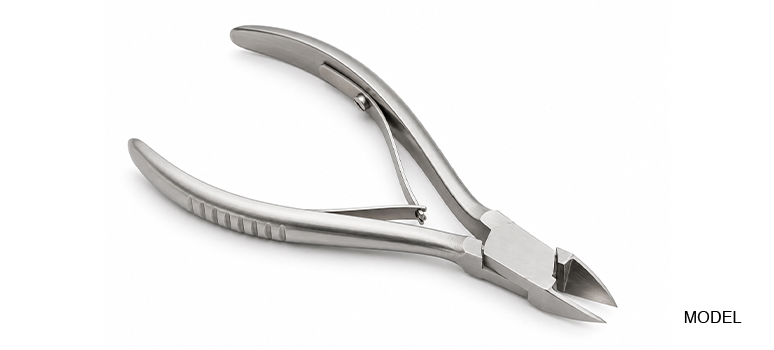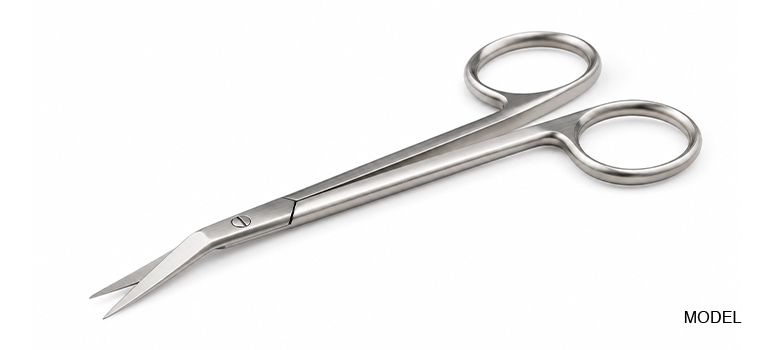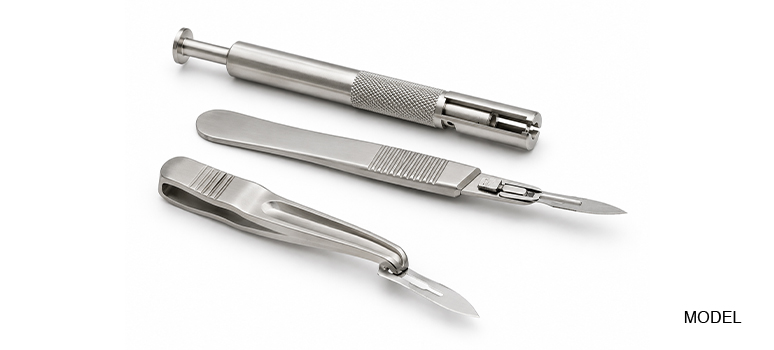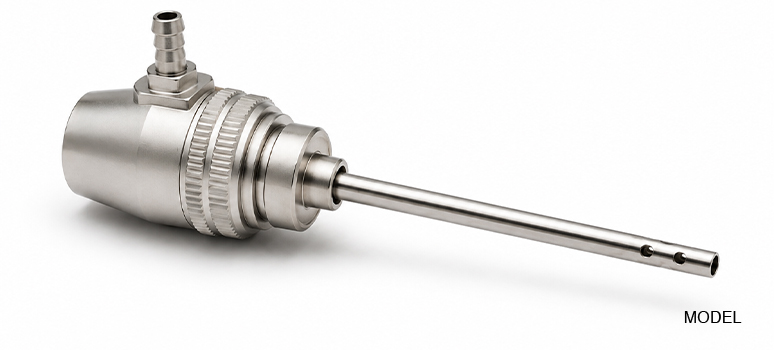

Introduction: Why Lipoplasty Cannula Sets Matter More Than Ever
In modern surgical practice, precision, control, and reliability are non-negotiable. Whether in neurosurgery, gynecology, plastic surgery, or general procedures, surgeons rely on advanced instruments to minimize risk and improve outcomes. Among the most critical devices in today’s operating rooms are bipolar forceps — precision tools engineered to deliver exceptional accuracy, minimize tissue trauma, and enhance patient safety.
But with so many surgical instruments on the market, how do you ensure you’re choosing the right bipolar instruments for your practice? And more importantly, why do top surgeons consistently choose high-quality bipolar coagulation forceps over standard alternatives?
What Are Bipolar Forceps?
Bipolar forceps are specialized bipolar instruments used in electrosurgery. Unlike monopolar tools, which rely on a single electrode and a grounding pad, bipolar forceps utilize two tips that deliver electrical current directly between them. This design allows for highly targeted tissue coagulation and minimizes the risk of unintended burns or damage to surrounding tissue.
Essentially, the bipolar forceps act as both the active and return electrode, creating a closed circuit at the site of contact. This results in controlled coagulation, reduced lateral thermal spread, and superior surgical outcomes.
Key Benefits of Bipolar Forceps in Surgery
1. Unmatched Precision
The fine-tipped design of bipolar coagulation forceps enables surgeons to coagulate delicate blood vessels and tissues with pinpoint accuracy. This is especially important in neurosurgery and ophthalmology, where even a millimeter of error can have life-altering consequences.
2. Reduced Thermal Spread
Unlike monopolar tools, which often generate excessive heat, bipolar instruments confine the energy transfer to the targeted tissue. This prevents unnecessary damage to adjacent structures and significantly lowers the risk of complications.
3. Enhanced Safety
Because bipolar forceps do not require a grounding pad, the risk of burns at the grounding site is eliminated. This makes them an ideal bipolar surgery tool for high-risk patients, including children and individuals with compromised health.
4. Versatility Across Specialties
From ENT and gynecology to plastic and general surgery, bipolar coagulation forceps are used across multiple specialties. Their adaptability makes them a must-have in every modern operating room.
5. Improved Efficiency
With controlled energy delivery, surgeons spend less time managing hemostasis and more time focusing on the core surgical procedure. This reduces operating time, lowers anesthesia exposure, and contributes to better patient outcomes.
How Bipolar Forceps Work in Practice
To understand why surgeons prefer bipolar surgery tools, it helps to break down their operation:
- The two tips of the bipolar forceps grasp tissue or a blood vessel.
- A controlled electrical current passes between the two tips.
- The current generates localized heat, coagulating the vessel or tissue without excessive spread.
- The tissue is sealed effectively, reducing bleeding and enabling smoother surgical progress.
This mechanism provides the surgeon with greater control, reducing reliance on additional hemostatic agents or prolonged cauterization.
Bipolar Forceps vs. Monopolar Instruments
| Feature | Bipolar Forceps | Monopolar Instruments |
| Current Flow | Between the two tips | From electrode to grounding pad |
| Precision | High | Moderate |
| Risk of Burns | Very low | Higher, especially at grounding pad |
| Thermal Spread | Minimal | Greater |
| Best Used For | Delicate, precise coagulation | Larger tissue dissection |
The comparison makes it clear: for situations requiring meticulous precision and safety, bipolar coagulation forceps are the superior choice.
Types of Bipolar Forceps
When selecting bipolar instruments, it’s important to know the different designs available:
1. Reusable Bipolar Forceps
Durable, cost-effective, and designed for sterilization, reusable forceps are a long-term investment for hospitals and surgical centers.
2. Disposable Bipolar Forceps
Ideal for minimizing cross-contamination risks, disposable forceps provide convenience and safety for specific procedures or high-risk patients.
3. Bayonet Bipolar Forceps
With an angled design, bayonet forceps offer excellent visibility and access, especially in neurosurgery or ENT procedures.
4. Straight Bipolar Forceps
Preferred for general applications, straight-tipped forceps allow easy handling and precise control.
5. Non-Stick Bipolar Forceps
A modern innovation, these reduce tissue adhesion and ensure smoother performance throughout lengthy surgeries.
Applications of Bipolar Forceps in Surgery
Neurosurgery
Precision is paramount in brain and spinal procedures. Surgeons rely on bipolar surgery tools to coagulate small vessels without damaging adjacent neural structures.
Gynecology
From laparoscopic procedures to hysterectomies, bipolar coagulation forceps are used to minimize blood loss and enhance surgical safety.
Plastic Surgery
In cosmetic and reconstructive procedures, the ability to minimize scarring and control bleeding makes bipolar instruments essential.
ENT Surgery
For delicate ear, nose, and throat operations, the reduced thermal spread ensures safe and effective tissue management.
General Surgery
From tumor resections to vascular procedures, bipolar instruments play a critical role in enhancing surgical outcomes across disciplines.
Why Choose Robbins Instruments for Bipolar Forceps?
Not all bipolar forceps are created equal. Inferior designs can compromise precision, cause unnecessary adhesion, or fail under sterilization. That’s why top surgeons trust Robbins Instruments, a leading supplier of high-quality surgical tools.
Robbins Instruments Advantage:
- Superior Craftsmanship: Each bipolar surgery tool is manufactured with advanced engineering and rigorous quality control.
- Non-Stick Technology: Many of Robbins’ bipolar coagulation forceps are designed to resist tissue adhesion, ensuring smoother operation.
- Wide Selection: From bayonet to straight, reusable to disposable, Robbins Instruments offers a comprehensive range to meet every surgical need.
- Trusted Globally: With decades of experience supplying premium surgical instruments, Robbins Instruments has earned the trust of medical professionals worldwide.
Best Practices for Using Bipolar Forceps
- Select the Right Design – Match the forceps type to the surgical specialty and patient needs.
- Inspect Before Use – Always check for damage, wear, or debris before sterilization.
- Maintain Proper Sterilization – Follow recommended sterilization protocols to preserve instrument longevity.
- Use Controlled Energy Settings – Adjust electrosurgical units according to the procedure for safe and effective performance.
- Handle with Care – Avoid excessive pressure on delicate forceps tips to prevent misalignment.
Maintenance Tips for Bipolar Instruments
- Clean immediately after use to prevent debris buildup.
- Use soft brushes rather than abrasive cleaners.
- Store forceps in protective trays to avoid tip damage.
- Regularly calibrate electrosurgical units for consistent performance.
With proper care, high-quality bipolar forceps from Robbins Instruments can last for years, delivering reliable results across countless procedures.
The Future of Bipolar Surgery Tools
Advancements in surgical technology continue to refine bipolar instruments. Non-stick coatings, ergonomic handles, and disposable options are transforming the way surgeons perform complex procedures. As innovations grow, one thing remains constant: the need for precision, safety, and trust in the tools used. Robbins Instruments continues to lead this evolution, ensuring surgeons have access to the very best bipolar coagulation forceps available.
Conclusion: Precision, Safety, and Trust in Every Procedure
When it comes to surgical excellence, the right tools make all the difference. Bipolar forceps stand out as indispensable instruments, offering unmatched precision, reduced risks, and enhanced outcomes across multiple specialties. By investing in superior bipolar coagulation forceps from Robbins Instruments, surgeons ensure they are equipped with tools that embody safety, reliability, and performance.
Whether performing delicate neurosurgery or a complex general procedure, Robbins Instruments’ bipolar forceps empower surgeons to operate with confidence and precision.
FAQS
1. What is the difference between monopolar and bipolar forceps?
Bipolar forceps deliver energy between their two tips, offering greater precision and safety. Monopolar instruments, on the other hand, send current from the instrument through the patient’s body to a grounding pad, which can increase risks.
2. Can bipolar forceps be reused?
Yes, many bipolar instruments are reusable if properly sterilized and maintained. Robbins Instruments offers both reusable and disposable options to meet different surgical needs.
3. What surgeries commonly use bipolar coagulation forceps?
They are widely used in neurosurgery, gynecology, ENT, plastic surgery, and general surgical procedures due to their precision and safety.
4. How do non-stick bipolar forceps work?
Non-stick coatings prevent tissue from adhering to the tips, allowing smoother operation and reducing interruptions during surgery.
5. Why should I choose Robbins Instruments for bipolar surgery tools?
Robbins Instruments combines superior craftsmanship, cutting-edge technology, and global trust, making their bipolar forceps the gold standard for surgeons worldwide.