Forceps Near Me: How to Choose the Right Surgical and Dental Forceps
When searching for forceps near me, it is important to understand that forceps are not a one-size-fits-all instrument. Different forceps are designed for different medical, dental, surgical, laboratory, and clinical applications. Choosing the appropriate type can support precise handling, controlled manipulation, and efficient clinical workflows.
Whether you are looking for dental extraction forceps, surgical forceps, tissue forceps, dressing forceps, or other specialized instruments, knowing what to consider can make the selection process easier.
What Are Forceps?
Forceps are handheld instruments designed to grasp, hold, manipulate, or remove materials during a medical or dental procedure. Their design can vary significantly depending on their intended application.
Some forceps have smooth or serrated jaws, while others feature teeth or specialized tips. The handles may also have different configurations to provide the level of control required for a particular task.
Because forceps are used in many clinical settings, selecting an instrument based on its intended purpose is essential.
Common Types of Forceps
If you are searching for forceps near me, you may encounter many different instrument styles. Understanding their basic functions can help narrow down your options.
Dental Forceps
Dental forceps are commonly used during tooth extraction procedures. Different designs are available for different teeth and locations within the mouth.
Their shape and beak configuration are intended to provide appropriate access and controlled engagement with the tooth. Dental professionals select forceps based on the tooth being treated and the specific clinical situation.
Surgical Forceps
Surgical forceps are used in a variety of procedures to grasp or manipulate tissue, sutures, dressings, or other materials. They may have straight or angled tips depending on the application.
Some surgical forceps are designed for delicate handling, while others provide stronger grasping capabilities.
Tissue Forceps
Tissue forceps are designed for handling tissue during procedures. Some models have toothed tips that can provide additional grip, while others use smooth or atraumatic surfaces for more delicate handling.
The appropriate design depends on the tissue and procedure involved.
Dressing Forceps
Dressing forceps are commonly used to handle gauze, dressings, and other materials without directly touching them with the hands. They may be used during wound care and other clinical procedures.
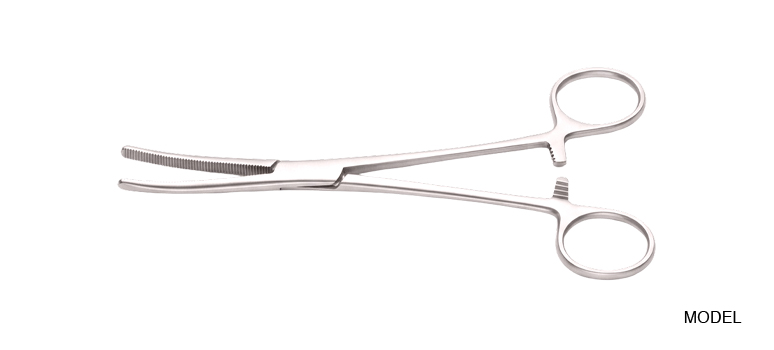
Hemostatic Forceps
Hemostatic forceps, sometimes called hemostats, are designed to clamp blood vessels or other structures when temporary control is needed during a procedure. Many feature locking handles that allow the instrument to remain clamped without continuous hand pressure.
What to Consider When Choosing Forceps
Finding forceps near me is only the beginning. The next step is determining which instrument best matches your intended use.
Intended Application
Start by identifying exactly what the forceps will be used for. Dental extraction, tissue handling, wound care, surgical procedures, and laboratory applications may require completely different designs.
Using the wrong instrument can make a procedure less efficient and may compromise control.
Tip Design
The tips or jaws are among the most important characteristics of forceps. They may be smooth, serrated, toothed, curved, angled, or specially shaped.
Consider whether you need a firm grip or a more delicate contact surface.
Material
Stainless steel is commonly used for reusable medical and surgical instruments because it offers durability and can be processed for repeated use when the instrument is designed for that purpose.
The specific material and finish should be appropriate for the intended clinical environment and manufacturer’s instructions.
Ergonomics
Forceps should feel comfortable and controllable in the user’s hand. Handle design, balance, spring tension, and overall weight can influence how easily an instrument can be manipulated.
For professionals who use forceps frequently, ergonomics can be an important consideration.
Quality and Manufacturing
Instrument quality can influence performance, durability, and consistency. When choosing forceps, consider the manufacturer’s reputation, quality-control practices, material specifications, and intended use.
A lower-quality instrument may not provide the same level of precision or durability as a properly manufactured professional instrument.
Reusable vs. Disposable Forceps
Forceps may be available as reusable or disposable instruments, depending on their intended application.
Reusable instruments are designed for cleaning, disinfection, and sterilization according to the manufacturer’s instructions. They can be useful in clinical environments where repeated use is appropriate.
Disposable forceps are intended for single use and are discarded after the procedure. They may be selected when convenience or specific infection-control considerations make single-use instruments appropriate.
Always follow the manufacturer’s instructions regarding cleaning, sterilization, and reuse.
Why Precision Matters
Precision is particularly important when forceps are used to handle tissue, remove materials, or perform delicate procedures.
An instrument with appropriately designed tips can help provide controlled contact with the intended structure. Proper alignment and consistent movement can also make the instrument easier to manipulate.
For this reason, professionals should choose forceps based on the specific requirements of the procedure rather than simply selecting the most convenient or inexpensive option.
Where to Find Forceps Near Me
When searching for forceps near me, consider medical and surgical instrument suppliers, dental equipment providers, specialty distributors, and other reputable professional suppliers.
Before purchasing, verify that the supplier provides instruments appropriate for your intended application. Product descriptions should clearly identify the instrument type, dimensions, material, and intended use.
If you are purchasing instruments for a professional practice, you may also want to compare manufacturers and product specifications rather than relying solely on general product descriptions.
Maintaining Surgical and Dental Forceps
Proper maintenance is important for reusable forceps. Instruments should be cleaned and processed according to the manufacturer’s recommendations.
After use, appropriate cleaning procedures can help remove biological material and other contaminants. Instruments should then undergo the required disinfection or sterilization process based on their intended use and applicable clinical protocols.
Inspect forceps regularly for signs of damage, corrosion, misalignment, loose components, or problems with the jaws. Damaged instruments should be evaluated before being returned to service.
Proper storage can also help prevent unnecessary damage. Instruments should be stored in an environment appropriate for the material and clinical setting.
Signs You May Need to Replace Forceps
Even high-quality instruments can eventually show signs of wear.
Consider having forceps evaluated or replaced if you notice:
- Misaligned jaws
- Damaged or worn tips
- Corrosion
- Loose handles
- Reduced grip
- Cracks or structural damage
- Difficulty opening or closing the instrument
- Changes in performance during use
Continuing to use a damaged instrument may interfere with proper handling and control.
How to Make a Better Purchase Decision
If you are comparing forceps near me, create a simple checklist before making a purchase.
First, identify the exact type of forceps you need. Next, determine the appropriate size, tip configuration, material, and handle design. Then compare reputable manufacturers and suppliers based on specifications and intended clinical use.
For professional applications, it may also be useful to purchase instruments that are compatible with your existing cleaning, sterilization, and storage processes.
Rather than choosing based solely on appearance, evaluate the instrument according to its intended function and performance requirements.
Frequently Asked Questions
1. What are forceps used for?
Forceps are handheld instruments used to grasp, hold, manipulate, or remove materials or tissue during medical, dental, surgical, and other clinical procedures. Different designs are intended for different applications.
2. What is the difference between dental and surgical forceps?
Dental forceps are specifically designed for dental procedures such as tooth extraction, with shapes intended for different teeth and areas of the mouth. Surgical forceps are available in many designs for handling tissue, materials, sutures, and other structures during surgical procedures.
3. How do I choose the right forceps?
Choose forceps according to their intended application, tip or jaw design, size, material, ergonomics, and required level of control. Using a purpose-specific instrument is generally preferable to selecting a general-purpose design.
4. Can surgical forceps be reused?
Some surgical forceps are manufactured for repeated use and can be cleaned, disinfected, and sterilized according to the manufacturer’s instructions. Other forceps are designed for single use. Always follow the specific product instructions.
5. Where can I find forceps near me?
You can look for reputable medical, surgical, or dental instrument suppliers in your area. Before purchasing, confirm the instrument type, specifications, intended application, and manufacturer’s instructions to ensure the product is appropriate for your needs.
Conclusion
Searching for forceps near me can produce many options, but choosing the right instrument requires more than finding a nearby supplier. The type of forceps, tip configuration, material, size, ergonomics, and intended application should all be considered.
Dental forceps, surgical forceps, tissue forceps, dressing forceps, and hemostatic forceps each serve different purposes. Selecting an instrument specifically designed for the intended task can support appropriate handling and clinical control.
For reusable instruments, proper cleaning, sterilization, inspection, and storage are also essential. By comparing specifications and choosing products from reputable suppliers, healthcare and dental professionals can find forceps that are appropriate for their specific clinical requirements.