Shave Biopsy Houston: What Patients Should Know Before the Procedure
What Is a Shave Biopsy?
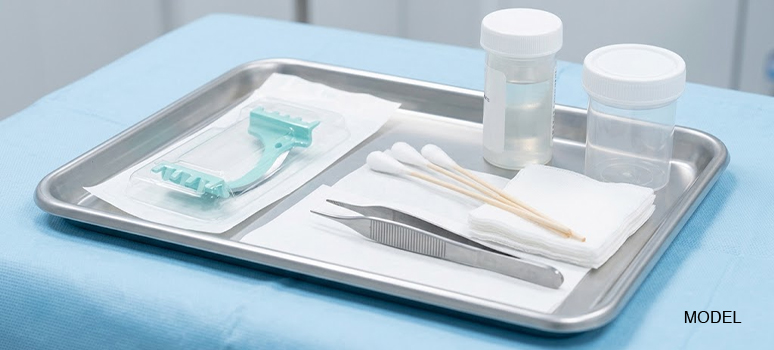
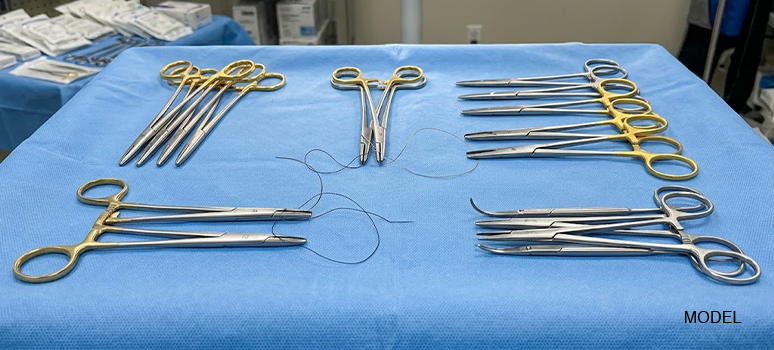
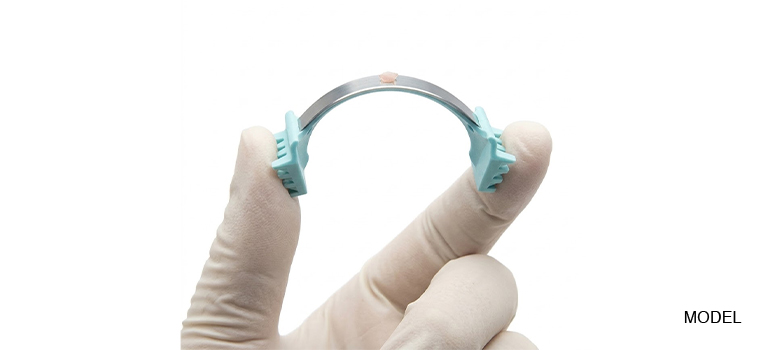
A shave biopsy Houston patients may encounter during a dermatology visit is a minimally invasive procedure used to remove a small sample of abnormal or suspicious skin for examination. A healthcare provider uses a sterile blade or similar instrument to shave off a portion of the affected skin, which is then typically sent to a laboratory for evaluation by a pathologist.
A shave biopsy may be recommended when a dermatologist or other qualified medical professional notices a skin growth, lesion, discoloration, or other change that needs further evaluation.
One of the main purposes of a skin biopsy is to help determine what is causing a particular skin change. Depending on the lesion, a biopsy may help evaluate conditions such as benign growths, inflammatory skin conditions, precancerous changes, or skin cancer.
If your provider recommends a shave biopsy, asking questions about why it is needed and what information the biopsy may provide can help you understand the process.
Why Is a Shave Biopsy Performed?
Not every unusual-looking spot on the skin requires a biopsy. However, when a lesion has characteristics that warrant closer examination, a provider may recommend sampling or removing part of the tissue.
A shave biopsy may be considered for certain superficial skin lesions, including areas that appear:
- Unusual in color or pigmentation
- Different in shape or texture
- Newly developed or changing
- Raised or thickened
- Persistently irritated or abnormal
- Suspicious during a skin examination
The biopsy allows the tissue to be examined under a microscope. This can provide information that cannot always be determined through a visual examination alone.
The specific type of biopsy selected depends on the appearance, depth, location, and characteristics of the lesion.
Shave Biopsy vs. Other Types of Skin Biopsies
A shave biopsy is one of several biopsy techniques used in dermatology.
During a shave biopsy, the provider removes a relatively superficial layer of tissue from the skin using a blade. It can be appropriate for certain lesions that are primarily located within the upper layers of the skin.
A punch biopsy uses a circular instrument to remove a deeper, cylindrical sample of skin. This technique may be useful when a deeper or more complete tissue sample is needed.
An excisional biopsy involves removing the entire lesion, often along with a margin of surrounding tissue, when clinically appropriate.
The best technique depends on the lesion being evaluated. Your provider can explain why a particular biopsy method is recommended for your situation.
What Happens During a Shave Biopsy?
A shave biopsy is typically performed in a medical office. Before beginning, the provider examines the area and explains the procedure.
The skin is cleaned, and a local anesthetic is generally used to numb the treatment area. Once the area is numb, the provider uses a sterile instrument to remove the selected portion of tissue.
The tissue sample is placed in a specimen container and sent to a pathology laboratory for examination when indicated.
After the sample has been collected, the provider addresses the biopsy site and provides instructions for caring for the area while it heals.
The procedure itself is generally relatively brief, although the total appointment time can vary depending on the number and location of lesions being evaluated.
Does a Shave Biopsy Hurt?
Because a local anesthetic is generally used, patients should not feel the biopsy itself in the same way they would without numbing. You may feel pressure or movement during the procedure.
The injection of the local anesthetic can cause a brief stinging or burning sensation.
After the numbing medication wears off, the area may feel tender or irritated. Mild discomfort is possible during the healing period.
If you are concerned about discomfort, tell your provider before the procedure. They can explain what you may experience and what measures may be available to make the procedure more comfortable.
What Can You Expect After a Shave Biopsy?
After a shave biopsy, the treated area may appear red or irritated. A small amount of bleeding or oozing can also occur immediately after the procedure.
Your provider will give you specific wound-care instructions. These may include keeping the area clean, applying an appropriate dressing or ointment, and avoiding unnecessary irritation.
The biopsy site generally heals gradually as new skin forms.
Healing time varies depending on the size and location of the biopsy, your individual healing response, and how well the wound is cared for.
It is important to follow your provider’s instructions rather than removing a dressing or applying products that have not been recommended.
Shave Biopsy Recovery and Aftercare
Proper aftercare can help protect the biopsy site while it heals.
Depending on your provider’s instructions, aftercare may include:
- Keeping the area clean
- Protecting the site with a dressing
- Following instructions regarding ointment or wound care
- Avoiding unnecessary picking or scratching
- Protecting the healing area from excessive sun exposure
- Monitoring the site for unusual changes
Temporary redness, tenderness, crusting, or mild bleeding may occur.
If you notice significant bleeding that does not stop with appropriate pressure, increasing pain, spreading redness, significant swelling, drainage, fever, or other concerning symptoms, contact your healthcare provider promptly.
When Will You Receive Shave Biopsy Results?
The tissue removed during a shave biopsy is generally evaluated by a pathology laboratory when the purpose of the procedure is diagnostic.
The time required to receive results can vary depending on the laboratory, the type of examination required, and whether additional testing is necessary.
Your provider will explain how you will receive your results and whether a follow-up appointment is needed.
It is important not to assume that a lesion is benign or cancerous based solely on its appearance. The pathology report provides important information that helps the healthcare team determine the next appropriate step.
If the biopsy identifies a condition requiring additional treatment, your provider can discuss the available options.
What Are the Risks of a Shave Biopsy?
Although a shave biopsy is generally considered a minor procedure, it still carries potential risks.
Possible complications may include:
- Bleeding
- Infection
- Temporary tenderness
- Bruising
- Scarring
- Changes in skin color
- Delayed healing
- Recurrence or persistence of the original lesion
The risk of noticeable scarring can vary based on the biopsy location, wound size, skin characteristics, and individual healing.
Your provider should discuss relevant risks before the procedure and explain how to care for the site afterward.
Will a Shave Biopsy Leave a Scar?
Any procedure that removes skin has the potential to leave a mark or scar. However, the appearance of the healed biopsy site can vary significantly between patients.
Factors that may influence healing include the size and location of the biopsy, skin type, wound care, sun exposure, and individual scar formation.
Some biopsy sites may heal with a relatively subtle mark, while others may remain more noticeable.
Following aftercare instructions and protecting the healing area from excessive sun exposure may help support appropriate healing.
Who Should Perform a Shave Biopsy?
Because a biopsy can play an important role in diagnosing skin conditions, it should be performed by an appropriately qualified medical professional with experience evaluating skin lesions.
When searching for shave biopsy Houston services, consider a provider who can:
- Perform a thorough skin evaluation
- Explain why a biopsy is recommended
- Select an appropriate biopsy technique
- Provide clear aftercare instructions
- Arrange appropriate pathology evaluation
- Explain the results and recommended next steps
A consultation is an opportunity to ask questions about the lesion, the biopsy technique, potential risks, and what happens after the tissue is examined.
Preparing for a Shave Biopsy in Houston
Your provider may give you specific instructions before your procedure. Make sure they know about your medical history, allergies, medications, and supplements.
Certain medications or health conditions can affect bleeding or healing, so it is important to provide complete and accurate information.
Do not stop prescription medications unless your healthcare provider specifically instructs you to do so.
It may also be helpful to wear comfortable clothing that allows easy access to the treatment area.
Before leaving your appointment, make sure you understand how to care for the biopsy site and how you will receive your pathology results.
Frequently Asked Questions About Shave Biopsy Houston
1. What is a shave biopsy used for?
A shave biopsy is used to remove a sample of superficial skin tissue for examination. It may help evaluate certain suspicious, abnormal, or changing skin lesions.
2. Is a shave biopsy considered surgery?
A shave biopsy is a minor medical procedure performed to obtain or remove a sample of skin. It is generally less extensive than procedures that require deeper tissue removal or larger incisions.
3. How long does a shave biopsy take?
The biopsy itself is generally relatively quick, but appointment length can vary depending on the number of lesions being evaluated, their locations, and other factors.
4. How long does it take to heal after a shave biopsy?
Healing time varies according to the biopsy size and location and the individual’s healing response. Your provider can give you more specific guidance based on your procedure.
5. Can I go back to work after a shave biopsy?
Many patients may be able to resume routine activities relatively quickly, depending on the biopsy location and the type of work they perform. Follow your provider’s recommendations for activity and wound care.