Introduction: A Simple Blade That Transforms Skin
If you’ve ever felt uneven texture, stubborn peach fuzz, or dull skin that refuses to glow, you’re not alone. Many people experience dead skin buildup and fine facial hair that make makeup look cakey and skin appear older. At the same time, dermatologists and medical professionals require tools that deliver clean, precise tissue removal for both cosmetic and diagnostic procedures.
Surprisingly, one tool effectively addresses both cosmetic and clinical concerns: the dermablade. Whether used for dermaplaning to exfoliate and brighten the skin or for a shave biopsy to remove superficial lesions, the dermablade has become one of dermatology’s most versatile instruments. Robbins Instruments known for producing high-quality, medical-grade tools—is widely trusted by professionals.
What Is a Dermablade?
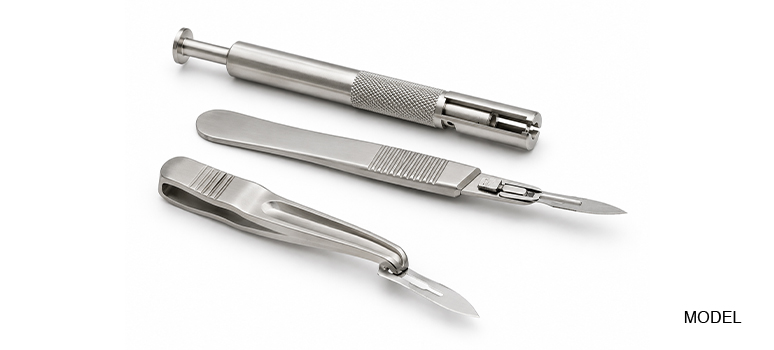
A dermablade is a sterile, sharp blade used to remove thin layers of skin with precision. Depending on its purpose, it may be used for:
- Dermaplaning, a cosmetic exfoliation treatment
- Shave biopsy, a medical tissue sampling technique
- Removal of benign skin growths such as warts, keratoses, or skin tags
Dermablades are engineered to be flexible, ultra-sharp, and easy to handle, allowing professionals to glide across the skin with minimal resistance. Robbins Instruments provides some of the most reliable dermablade designs for both aesthetic and medical use, making them a preferred choice in dermatology clinics and med spas.
Why Precision Matters
Unlike razors or generic tools, a dermablade must offer:
- Consistent sharpness
- A smooth cutting edge
- Controlled flexibility
- Medical-grade stainless steel quality
Poorly constructed blades tug on the skin, increase the risk of irritation, and lead to uneven tissue removal problems nobody wants during any dermatology procedure.
Robbins Instruments is widely known for producing stable, sharp, and consistent dermablade shave biopsy blades, giving practitioners confidence that every pass will be smooth and safe.
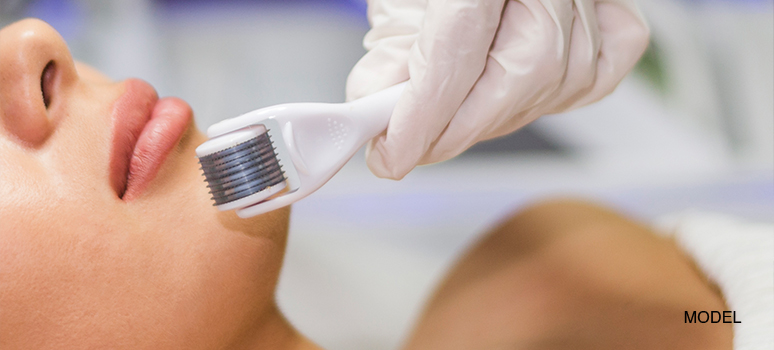
How Professionals Use Dermablades for Dermaplaning
Every dermaplaning session requires precision, technique, and high-quality tools. Here’s how experts use dermablades to achieve flawless skin results.
1. Skin Preparation
The skin is thoroughly cleansed to remove oils, makeup, and surface bacteria. Some clinics use a degreasing solution to ensure the dermablade glides smoothly.
2. Blade Angle and Grip
Professionals use a 45-degree angle, stretching the skin to maintain tension.
This prevents accidental nicks and ensures even exfoliation.
3. Short, Controlled Strokes
Instead of long glides, practitioners use gentle strokes to avoid irritation.
4. Post-Procedure Soothing
After dermaplaning, professionals apply:
- Hyaluronic acid
- Soothing serums
- SPF (mandatory!)
Dermaplaned skin is fresh and vulnerable to UV rays, so sunscreen is essential.
Why Robbins Instruments Dermablades Are Preferred
Robbins Instruments provides:
- Ultra-sharp stainless steel blades
- Consistent quality control
- Flexible blade design for maximum precision
- Individually sterilized packaging
These features ensure smoother dermaplaning sessions and minimal irritation.
Dermablade Shave Biopsy: A Clinical Essential
Beyond cosmetic use, the dermablade plays a crucial role in dermatology diagnostics.
A shave biopsy is a medical procedure used to remove thin slices of skin for examination, typically to diagnose:
- Lesions
- Moles
- Suspicious growths
- Benign tumors
- Skin cancer concerns
It is fast, minimally invasive, and ideal for superficial lesions.
Why Use a Dermablade for Shave Biopsy?
A dermablade shave biopsy blade is specifically designed to:
- Remove even, thin layers of tissue
- Minimize scarring
- Provide clean edges for pathology analysis
- Reduce trauma to surrounding skin
The sharper and more controlled the blade, the better the diagnostic sample.
Steps of a Shave Biopsy
- Cleansing and anesthetic application
- The dermablade gently slices across the lesion
- Tissue sample is collected
- The wound is cauterized or bandaged
This simple procedure relies heavily on the sharpness and reliability of the dermablade.
Robbins Instruments’ dermablade shave biopsy blades are trusted in dermatology because they ensure smoother cuts that produce cleaner samples critical for accurate diagnosis.
Dermablade Safety: What Professionals Want You to Know
Dermablade procedures both cosmetic and clinical are extremely safe when performed correctly.
However, safety tips include:
- Avoid dermaplaning at home with non-medical tools
- Always follow sanitation protocols
- Use only sterile, medical-grade blades
- Do not dermaplane over cuts, burns, acne, or eczema
- Always protect skin afterward with SPF
Robbins Instruments ensures every blade meets medical safety requirements, giving clinicians and their patients peace of mind.
Why Robbins Instruments Is the Gold Standard for Dermablades
Robbins Instruments is considered the gold standard because of their:
Superior Blade Sharpness
Every dermablade is engineered for clean, effortless tissue removal.
Medical-Grade Stainless Steel Construction
Durable, safe, and consistently precise.
Ideal Flexibility for Dermaplaning and Biopsies
Allows smooth gliding on the skin.
Trusted by Dermatologists Nationwide
Clinics rely on Robbins for consistent, sterile, high-performance instruments.
Perfect for Both Cosmetic and Clinical Use
Aesthetic providers and dermatologists both benefit from Robbins Instruments’ specialized designs.
Whether you’re performing a dermaplaning facial or a shave biopsy, choosing the right blade is critical and Robbins Instruments delivers unmatched performance.
Conclusion: The Power of a Simple Blade
Whether beautifying the skin or diagnosing medical conditions, the dermablade is an indispensable tool in modern dermatology. From brightening complexions through dermaplaning to performing precise shave biopsies, this versatile blade delivers exceptional results when used correctly.
Professionals trust Robbins Instruments for their dermablade needs because of the brand’s commitment to quality, precision, and safety. If you’re looking to provide smoother, brighter skin or collect cleaner biopsy samples, investing in high-quality dermablades is essential.
A single tool can truly transform the skin and Robbins Instruments makes sure it performs at its best, every time.
FAQS
1. Is dermaplaning safe for all skin types?
Yes, except for individuals with active acne or inflamed skin conditions.
2. How often should dermaplaning be done?
Every 3–4 weeks is ideal to maintain smooth, glowing skin.
3. Does a shave biopsy leave a scar?
Scarring is minimal when using a high-quality dermablade, like those from Robbins Instruments.
4. Can I dermaplane at home?
It’s recommended to get dermaplaning done professionally to avoid injury and achieve optimal results.
5. Are dermablades single-use?
Yes. For safety, sterility, and sharpness, dermablades should be used once and disposed of properly.