Introduction: Why Precision Tools Define Surgical Mastery
In modern surgical and aesthetic procedures, outcomes depend not only on practitioner skill but also on the quality of the instruments used. Even the most experienced hands can be limited by subpar tools. This is especially true in delicate, detail-driven procedures—such as hair restoration, microsurgery, and aesthetic interventions—where accuracy, control, and tissue preservation are critical.
One instrument has emerged as a silent powerhouse in achieving consistent, superior results: solid wire needles. Designed for exceptional control and durability, these needles empower surgeons to command every movement with confidence. Whether creating precise recipient sites in hair transplantation or minimizing trauma in sensitive tissues, solid wire needles are setting a new standard in surgical performance.
Understanding Solid Wire Needles: What Sets Them Apart
What Are Solid Wire Needles?
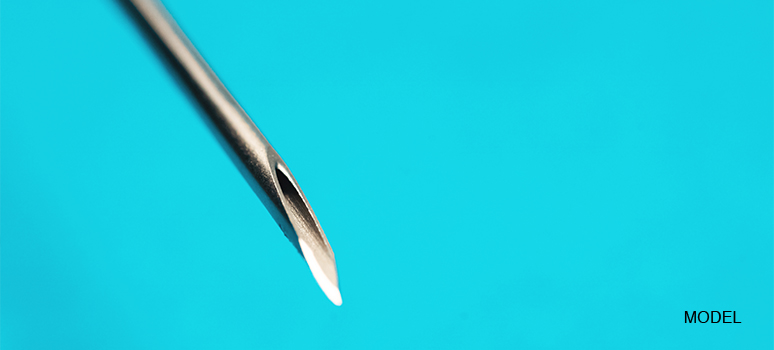
Solid wire needles are precision-engineered surgical needles crafted from a single, continuous piece of high-grade stainless steel or medical alloy. Unlike hollow or lower-grade needles, solid wire needles offer superior structural integrity, consistent sharpness, and enhanced tactile feedback.
Their design ensures:
- Consistent diameter throughout the shaft
- Superior rigidity without brittleness
- Enhanced control during insertion and withdrawal
These characteristics make solid wire needles indispensable in procedures requiring meticulous accuracy.
Solid Wire vs. Conventional Needles
While conventional needles are sufficient for general procedures, they often fall short in advanced applications such as hair restoration or microsurgery. Solid wire needles excel by offering:
- Greater durability: Reduced bending or deformation
- Sharper tips: Cleaner incisions with minimal tissue trauma
- Improved feedback: Surgeons can “feel” tissue resistance more accurately
This distinction becomes critical when working on delicate recipient sites where millimeters matter.
The Role of Solid Wire Needles in Recipient Site Creation
Why Recipient Sites Demand Perfection
In hair restoration and other graft-based procedures, recipient sites determine the final aesthetic outcome. Improper angulation, depth, or spacing can lead to poor graft survival, unnatural appearance, or patient dissatisfaction.
Solid wire needles allow practitioners to:
- Control depth with precision
- Maintain consistent angles
- Minimize tissue disruption
How Solid Wire Needles Enhance Accuracy
The rigidity and fine-point design of solid wire needles ensure that each recipient site is created exactly as planned. This consistency reduces variability across the treatment area, resulting in:
- Higher graft survival rates
- Faster healing times
- More natural-looking results
For surgeons performing high-volume hair restoration procedures, this reliability is invaluable.
Solid Wire Needles in Hair Restoration: A Game-Changer
Meeting the Demands of Modern Hair Transplantation
Hair restoration has evolved dramatically, with techniques like FUE (Follicular Unit Extraction) and FUT (Follicular Unit Transplantation) demanding extreme precision. Solid wire needles meet these demands by enabling:
- Ultra-fine incisions
- Reduced trauma to surrounding tissue
- Optimal graft placement
Benefits for Patients and Practitioners
Using elite solid wire needles in hair restoration offers a win-win scenario:
For Patients:
- Less bleeding and swelling
- Faster recovery
- Natural hairline design
For Practitioners:
- Greater procedural control
- Consistent outcomes
- Enhanced professional reputation
It’s no surprise that top-tier clinics increasingly rely on solid wires for recipient site creation.
Material Matters: Why Solid Wires Outperform
High-Grade Stainless Steel and Alloys
Not all solid wire needles are created equal. Premium materials and precision engineering make the difference. Premium manufacturers like Robbins Instruments use medical-grade materials that ensure:
- Corrosion resistance
- Long-lasting sharpness
- Sterilization compatibility
These qualities are essential for maintaining performance across repeated procedures.
Engineering for Excellence
Advanced manufacturing processes ensure uniform diameter, polished surfaces, and precision-ground tips. This level of engineering translates directly into smoother penetration and reduced tissue drag—key factors in delicate surgical work.
Why Robbins Instruments Is the Trusted Name in Solid Wire Needles
Commitment to Surgical Excellence
Robbins Instruments has built a reputation for delivering precision-engineered surgical tools trusted by professionals worldwide. Their solid wire needles are designed with input from experienced surgeons, ensuring real-world functionality—not just theoretical performance.
What Sets Robbins Instruments Apart
- Rigorous quality control standards
- Premium materials and craftsmanship
- Wide selection of solid wire needles for various applications
For clinics and surgical centers aiming for elite performance, Robbins Instruments provides tools that align with the highest professional standards.
Actionable Tips: Choosing the Right Solid Wire Needles
Match Needle Size to Procedure
Select needle diameter and length according to procedure. Ultra-fine solid wires are ideal for hair restoration recipient sites, while thicker needles may suit other surgical applications.
Prioritize Quality Over Cost
While lower-cost needles may seem appealing, they often compromise on sharpness and durability. Investing in premium solid wire needles from Robbins Instruments ensures consistent performance and fewer complications.
Maintain Proper Handling and Storage
Even the best solid wires require proper care:
- Store in sterile, protective packaging
- Avoid unnecessary bending or pressure
- Follow manufacturer sterilization guidelines
These practices extend the life of your needles and preserve their precision.
The Future of Precision Surgery with Solid Wire Needles
As surgical techniques continue to advance, the demand for precision tools will only grow. Solid wire needles are positioned at the forefront of this evolution, supporting innovations in hair restoration, aesthetics, and microsurgery.
Manufacturers like Robbins Instruments continue to refine their designs, incorporating surgeon feedback and technological advancements to push performance even further. For professionals committed to excellence, staying updated with these tools is essential.
Conclusion: Elevate Every Procedure with Elite Solid Wire Needles
Precision is not optional in modern surgery, it’s the foundation of success. Solid wire needles empower surgeons to command their technique, create flawless recipient sites, and deliver exceptional hair restoration results. Their durability, control, and accuracy make them indispensable in today’s demanding clinical environment.
By selecting high-quality solid wire needles from Robbins Instruments, surgeons invest in instruments that enhance outcomes, maintain professional reputation, and increase patient satisfaction.
If you found this guide helpful, share it with colleagues, explore Robbins Instruments’ premium offerings, and join the conversation in the comments below.
FAQS
1. What are solid wire needles used for?
Solid wire needles are used in precision surgical procedures, including hair restoration, microsurgery, and aesthetic treatments, where accuracy and control are critical.
2. Why are solid wire needles preferred for recipient sites?
Their rigidity and sharpness allow for precise depth and angle control, resulting in consistent recipient sites and improved graft survival.
3. Are solid wire needles suitable for all hair restoration techniques?
Yes, solid wire needles are commonly used in FUE and FUT procedures, especially for creating recipient sites with minimal tissue trauma.
4. How do Robbins Instruments solid wires differ from others?
Robbins Instruments uses premium materials, advanced manufacturing, and strict quality control to deliver superior durability, sharpness, and performance.
5. How should solid wire needles be maintained?
Store them properly, handle them with care, and follow recommended sterilization protocols to maintain sharpness and extend usability.