Introduction: Transform Your Skin with Advanced Technology
Skin concerns such as fine lines, acne scars, hyperpigmentation, and uneven texture affect millions of people worldwide. Despite numerous skincare products and home remedies, achieving truly transformative results often requires professional intervention. This is where skin resurfacing equipment comes into play. Modern technology in dermatology has advanced at a rapid pace, offering patients safe, effective, and long-lasting solutions for a radiant complexion.
At Robbins Instruments, a trusted leader in surgical and dermatology tools, the latest mechanical skin resurfacing equipment is designed to provide superior outcomes while ensuring patient safety. Whether you’re a dermatologist seeking to enhance your practice or an individual exploring professional treatments, understanding the science, benefits, and applications of skin resurfacing devices is crucial.
Understanding Skin Resurfacing: The Science Behind the Glow
Skin resurfacing is a dermatological procedure aimed at improving the appearance of the skin by removing damaged outer layers and stimulating the natural regenerative processes. This can involve the treatment of fine lines, wrinkles, scars, and hyperpigmentation. By targeting the skin’s surface, resurfacing treatments promote the growth of new, healthy skin cells, enhancing texture and tone.
There are multiple methods for skin resurfacing:
- Chemical Peels: Utilizing acids to exfoliate damaged skin layers.
- Laser Resurfacing: Using laser energy to stimulate collagen and remove damaged tissue.
- Dermabrasion: A mechanical approach to remove the outer skin layer for smoother, younger-looking skin.
While lasers and chemical peels are widely popular, mechanical skin resurfacing equipment, such as dermabrasion tools, remains a cornerstone in professional dermatology due to its precision, efficiency, and versatility.
The Evolution of Dermabrasion Technology
Dermabrasion has evolved significantly from its early manual methods, which relied on handheld brushes and rough surfaces to remove damaged skin. Modern dermabrasion equipment combines precision engineering with safety features to deliver consistent, reproducible results.
Key Innovations in Dermabrasion:
- Adjustable Speed Controls: Allow dermatologists to customize treatment based on skin type and condition.
- Ergonomic Designs: Enhance precision and reduce operator fatigue during prolonged procedures.
- Disposable Tips and Safety Mechanisms: Reduce infection risks and improve hygiene standards.
- Integration with Cooling Systems: Minimizes patient discomfort and accelerates healing.
Robbins Instruments has been at the forefront of these innovations, providing dermatology professionals with state-of-the-art skin resurfacing equipment designed to optimize performance and patient satisfaction.
Mechanical Skin Resurfacing Equipment: How It Works
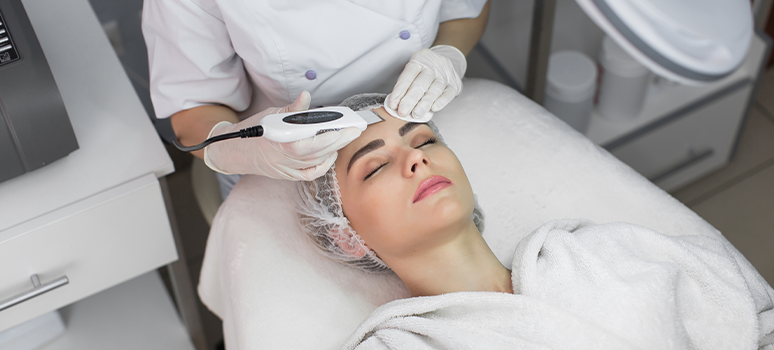
Mechanical skin resurfacing equipment works by physically exfoliating the skin’s outer layer using high-precision rotary or oscillating tools. This controlled abrasion removes damaged tissue and stimulates the production of collagen and elastin, essential for youthful, resilient skin.
Types of Mechanical Skin Resurfacing Equipment:
- Microdermabrasion Devices: These employ fine crystals or diamond-tipped heads to gently remove superficial skin layers.
- Dermabrasion Machines: High-speed rotary devices designed for deeper exfoliation, often used for acne scars and severe skin texture issues.
- Combination Devices: Integrate suction, exfoliation, and sometimes laser or light-based therapy for enhanced results.
The precision of mechanical resurfacing allows dermatologists to target specific areas while preserving healthy surrounding tissue, which is particularly valuable for sensitive regions like the face and neck.
Benefits of Advanced Skin Resurfacing Equipment
Investing in cutting-edge skin resurfacing equipment offers numerous advantages for both practitioners and patients.
1. Superior Clinical Results
Modern devices allow for controlled, uniform exfoliation, minimizing the risk of uneven skin texture or scarring. Patients often report noticeable improvements in skin smoothness, tone, and overall appearance after a series of treatments.
2. Reduced Downtime
Compared to traditional dermabrasion methods, advanced equipment reduces recovery times. The integration of cooling systems and precise control mechanisms ensures that patients experience less redness, swelling, and discomfort.
3. Enhanced Safety Features
Contemporary devices include built-in safety protocols, such as automatic speed regulation, depth monitoring, and disposable tips. These features minimize infection risks and ensure consistent outcomes.
4. Versatility in Treatment
From superficial fine lines to deep acne scars, mechanical skin resurfacing equipment can be adapted to a variety of dermatological needs. This versatility makes it a valuable investment for clinics aiming to offer comprehensive skincare solutions.
Choosing the Right Skin Resurfacing Equipment
Selecting the appropriate skin resurfacing equipment for your clinic involves balancing clinical effectiveness, patient comfort, and cost-efficiency. Consider the following factors:
- Device Precision: Look for equipment that allows for adjustable depth and speed.
- Ergonomics: Comfortable handling reduces operator fatigue and improves treatment accuracy.
- Hygiene Features: Disposable tips and easy-to-clean surfaces are essential for infection control.
- Maintenance and Support: Choose a reliable supplier, such as Robbins Instruments, that offers ongoing support, training, and replacement parts.
- Patient Feedback: Ensure that treatments are tolerable and provide noticeable results.
Investing in high-quality mechanical skin resurfacing equipment not only enhances patient outcomes but also elevates the reputation and revenue potential of your clinic.
Conclusion: Elevate Your Skin Resurfacing Practice
Investing in advanced skin resurfacing equipment is more than just acquiring a tool it’s about transforming the standard of care in dermatology. From precise dermabrasion to versatile mechanical resurfacing devices, modern technology empowers dermatologists to deliver remarkable results, enhance patient satisfaction, and elevate their practice.
Robbins Instruments continues to lead the way in providing innovative, reliable, and safe equipment that meets the evolving needs of dermatology professionals. Whether treating fine lines, acne scars, or pigmentation issues, the right tools make all the difference in achieving visible, lasting results.
By understanding the science, embracing best practices, and staying informed about emerging trends, you can unlock the full potential of skin resurfacing technology and help your patients reveal their healthiest, most radiant skin.
FAQS
1. What is the difference between dermabrasion and mechanical skin resurfacing equipment?
Dermabrasion is a specific method of skin resurfacing that involves the controlled removal of the skin’s outer layers. Mechanical skin resurfacing equipment encompasses tools used for dermabrasion and other physical exfoliation techniques, offering more precision and versatility.
2. How long does recovery take after mechanical skin resurfacing?
Recovery depends on the depth of the treatment. Superficial procedures may require 2–5 days, while deeper treatments can take up to two weeks. Post-care recommendations, including sun protection and moisturization, help speed up recovery.
3. Can skin resurfacing equipment treat acne scars?
Yes. Mechanical skin resurfacing devices are highly effective for reducing acne scars, as they stimulate collagen production and smooth out uneven skin texture.
4. Is mechanical skin resurfacing safe for all skin types?
Modern equipment offers adjustable settings to accommodate different skin types. However, a professional assessment is necessary to determine the best approach for each patient.
5. Why should dermatologists choose Robbins Instruments for skin resurfacing tools?
Robbins Instruments provides high-quality, precision-engineered skin resurfacing equipment with ergonomic designs, safety features, and reliable customer support. Their tools are trusted by dermatology professionals worldwide for consistent, superior results.