Introduction: Understanding the Importance of Treating Skin Lesions
Your skin is your body’s first line of defense. A skin lesion whether a common mole, a bothersome cyst, or a suspicious growth can disrupt this protection, affecting both your health and confidence. Understanding the types, causes, and available skin lesion treatments is essential. This guide covers everything: from identifying primary skin lesions to exploring advanced skin lesion removal techniques. We’ll also highlight how the precision tools from Robbins Instruments are critical for safe and effective lesion management.
What Is a Skin Lesion?
A skin lesion is any abnormal change, mark, or growth in the skin’s appearance or texture. They are classified as: * Primary Lesions: Initial formations, like a pimple, mole, or rash. * Secondary Lesions: Changes resulting from external factors, trauma, or the progression of a primary lesion. While not always harmful, some lesions signal underlying medical issues. Early recognition ensures timely diagnosis and treatment.
Types of Skin Lesions: Primary vs. Secondary
Understanding the classification of dermatology skin lesions helps in identifying the right treatment approach. Let’s break down the major types:
1. Primary Skin Lesions
Primary lesions are the initial signs of a skin condition. These include:
- Macules: Flat, discolored areas (e.g., freckles or age spots).
- Papules: Small, raised bumps (like warts or insect bites).
- Nodules: Larger, solid lumps under the skin.
- Vesicles and Bullae: Fluid-filled blisters seen in conditions like dermatitis.
- Pustules: Small, pus-filled bumps common in acne.
- Plaques: Thickened patches often associated with psoriasis.
These lesions form the foundation of many dermatological diagnoses.
2. Secondary Skin Lesions
Secondary lesions develop as a result of progression or manipulation of primary ones. They include:
- Crusts and Scales: Formed from dried fluids or shedding skin.
- Ulcers: Open sores caused by infection or pressure.
- Scars and Keloids: Tissue overgrowth after healing.
- Fissures: Cracks in the skin due to dryness or eczema.
Understanding whether your lesion is primary or secondary helps dermatologists select the appropriate skin lesion treatment method.
Common Causes of Skin Lesions
Skin lesions can result from various internal and external factors. Here are some of the most common:
- Infections – Bacterial, viral, or fungal infections can cause lesions like cold sores, warts, or ringworm.
- Allergic Reactions – Contact with allergens or irritants can trigger hives or dermatitis.
- Chronic Conditions – Diseases such as psoriasis, eczema, and lupus often lead to recurring skin changes.
- Sun Exposure – Ultraviolet (UV) rays can cause sunspots and even precancerous lesions.
- Injury or Trauma – Cuts, burns, or insect bites may lead to lasting lesions if not properly treated.
- Genetics – Some people are predisposed to moles, cysts, or keloids.
Recognizing the cause is crucial for effective management and prevention.
How Dermatologists Diagnose Skin Lesions
When you visit a dermatology skin lesion clinic, diagnosis typically involves several key steps:
1. Visual Examination
Dermatologists assess the lesion’s size, color, shape, and texture to determine whether it’s benign or potentially malignant.
2. Dermatoscopy
A dermatoscope allows specialists to examine the lesion’s structure in detail without cutting the skin.
3. Biopsy
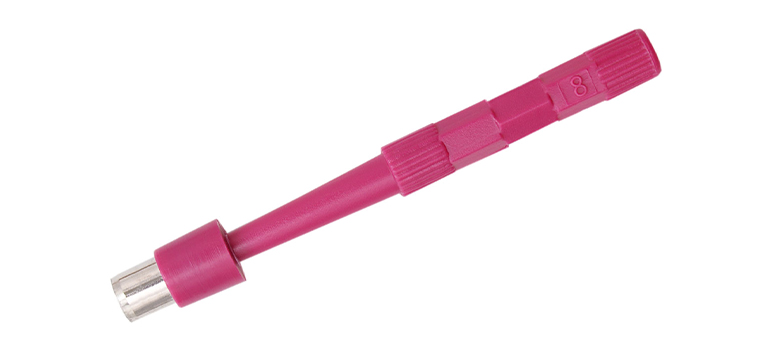
If malignancy or atypical cells are suspected, a skin biopsy is performed. This involves removing a small sample using precise tools such as those from Robbins Instruments, ensuring accuracy and minimal tissue damage.
4. Imaging and Lab Tests
Advanced imaging and blood work may be used for deeper or systemic skin conditions.
Effective Treatments for Skin Lesions
Treating a skin lesion depends on its cause, type, and severity. Below are some of the most trusted methods used in modern dermatology:
1. Topical Treatments
Mild lesions like acne or eczema can often be managed using creams, ointments, or gels that reduce inflammation and promote healing. Common agents include:
- Corticosteroids
- Antibiotics (for bacterial infections)
- Retinoids (for acne or pigmentation)
- Antifungal creams (for fungal infections)
2. Cryotherapy
This involves freezing the lesion with liquid nitrogen to destroy abnormal tissue. Cryotherapy is commonly used for warts, skin tags, and actinic keratosis.
3. Electrosurgery
Electric current is used to cut, burn, or coagulate tissue. Precision instruments, like Robbins Instruments’ dermatology tools, are preferred to prevent damage to surrounding areas
4. Laser Therapy
Laser treatment is ideal for pigmentation issues, vascular lesions, and some types of scarring. It offers high precision with minimal downtime.
5. Excisional Surgery
Recommended for larger or suspicious lesions, this involves complete surgical removal of the lesion and sometimes surrounding tissue. Using high-quality skin lesion removal tools ensures accurate results and reduces the risk of recurrence.
6. Chemical Peels and Microdermabrasion
These treatments exfoliate the skin surface, promoting regeneration and improving the appearance of minor lesions or scars.
7. Photodynamic Therapy (PDT)
PDT combines light energy and photosensitizing agents to target abnormal skin cells often used for precancerous or early-stage cancerous lesions.
Why Choosing the Right Instruments Matters
In dermatology, precision is everything. Whether it’s removing a mole or performing a biopsy, the quality of your tools directly impacts safety, accuracy, and patient comfort.
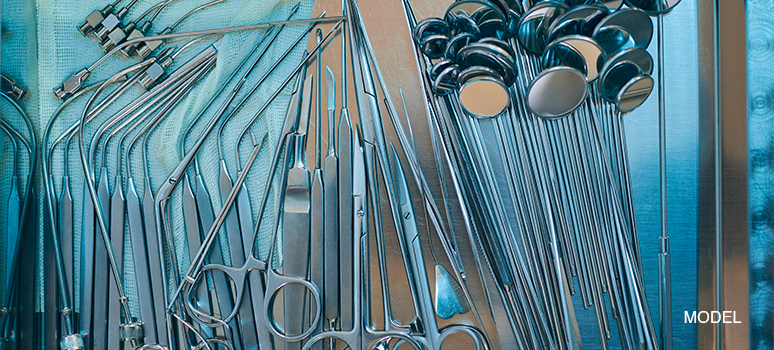
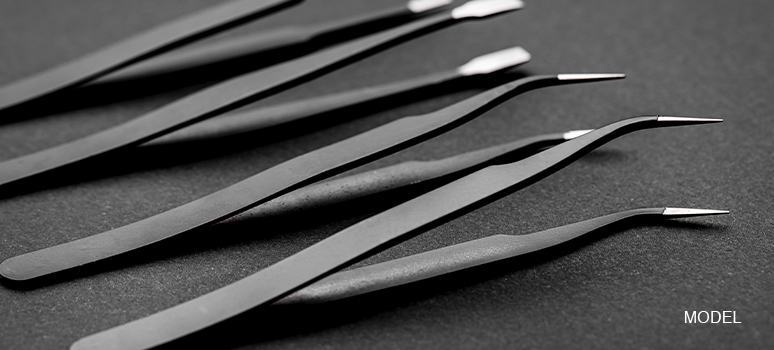
Robbins Instruments has become a trusted name among dermatologists and plastic surgeons worldwide. Their range of dermatology and surgical instruments including scalpels, forceps, curettes, and biopsy punches ensures smooth, efficient, and safe skin lesion procedures.
High-quality tools mean:
- Minimal scarring
- Reduced infection risk
- Faster healing times
- Consistent procedural outcomes
For any dermatologist aiming to provide top rated skin lesion removal, Robbins Instruments stands out as a brand synonymous with precision and reliability.
Aftercare Tips for Skin Lesion Removal
Post-treatment care is essential to promote healing and prevent complications. Here are actionable aftercare tips:
- Keep the Area Clean: Gently wash with mild soap and water.
- Avoid Sun Exposure: Use sunscreen or cover the area to prevent pigmentation.
- Apply Prescribed Ointments: Antibiotic creams can prevent infection.
- Avoid Picking or Scratching: This can delay healing and cause scarring.
- Follow Up with Your Dermatologist: Regular checkups ensure no recurrence or complications.
Why Choose Robbins Instruments for Skin Lesion Procedures
When it comes to dermatological precision, Robbins Instruments has earned the trust of clinics worldwide. Their instruments are known for:
- Superior Material Quality: Corrosion-resistant surgical steel ensures durability.
- Precision Design: Enables controlled excision and minimal tissue trauma.
- Versatility: Suitable for general dermatology, cosmetic, and surgical applications.
- Global Reputation: Used in hospitals, cosmetic centers, and research labs.
Whether you are performing top rated skin lesion removal or a simple biopsy, Robbins Instruments offers reliability that professionals can depend on.
Conclusion: Clear Skin Starts with the Right Care and Tools
Skin lesions range from benign to serious. Proper diagnosis and treatment are vital for restoring your skin’s appearance and safeguarding your health. Whether you require management for primary skin lesions or complex surgical removal, partnering with qualified dermatologists and using reliable tools, such as those from Robbins Instruments, ensures safe and effective results. If you notice unusual spots or discolorations, consult a dermatologist immediately to explore your best skin lesion treatment options. Your skin deserves the highest standard of care.
FAQS
1. What are the most common types of skin lesions?
Common skin lesions include moles, warts, cysts, freckles, and rashes. These can be primary skin lesions like papules or macules, or secondary lesions resulting from infection or irritation.
2. How do I know if a skin lesion is serious?
Warning signs include rapid growth, irregular borders, color changes, bleeding, or itching. If you notice these symptoms, consult a dermatologist immediately.
3. Is skin lesion removal painful?
Most procedures are performed under local anesthesia, making them virtually painless. You may feel mild discomfort or tenderness during recovery.
4. What’s the recovery time after lesion removal?
Recovery typically takes 1–3 weeks depending on the lesion type and removal method. Following proper aftercare minimizes scarring and speeds healing.
5. Why should dermatologists use Robbins Instruments?
Robbins Instruments provides high-precision surgical tools designed for accuracy, comfort, and reliability essential for any dermatologist performing top rated skin lesion removal procedures.