Introduction
Precision is the foundation of every successful surgical procedure. Whether performing a delicate incision in plastic surgery, dermatology, or general surgery, the quality of your instruments can determine the outcome. One dull blade, poorly balanced handle, or unstable grip can compromise accuracy, prolong procedures, and increase patient risk.
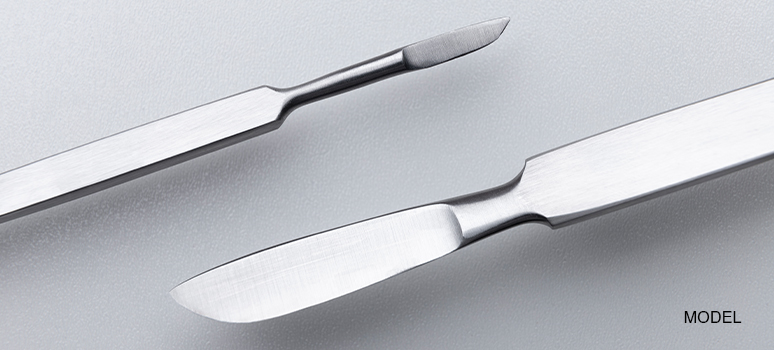
Scalpel handles and blades are indispensable for surgeons seeking superior control, sharpness, and reliability, essential for precision in every incision.
In this in-depth guide, we’ll explore scalpel handles, blades, and scalpel holders, their types, materials, uses, and best practices. You’ll also learn why medical professionals worldwide trust Robbins Instruments for premium-quality surgical tools that deliver unmatched accuracy and consistency.
Why Scalpel Handles and Blades Matter in Modern Surgery
Surgical precision isn’t just a skill, it’s a combination of expertise and the right instruments. Scalpel handles and blades are designed to function as a single, perfectly balanced unit. When properly matched, they allow surgeons to perform controlled incisions with minimal tissue trauma.
The Role of Precision in Surgical Outcomes
Accurate incisions:
- Reduce tissue damage
- Improve healing time
- Minimize scarring
- Lower infection risk
- Enhance procedural efficiency
Using substandard blades or poorly designed scalpel handles can result in uneven cuts, hand fatigue, and reduced control. That’s why professional-grade instruments from trusted suppliers like Robbins Instruments are critical.
Understanding Scalpel Handles and Blades
To master surgical accuracy, it’s important to understand how each component functions independently and together.
What Are Scalpel Handles?
Scalpel handles are reusable or disposable tools designed to securely hold surgical blades. They provide balance, grip, and control during procedures.
Key characteristics include:
- Ergonomic design
- Secure blade attachment
- Compatibility with multiple blade types
- Durable materials such as stainless steel
What Are Surgical Blades?
Blades are the cutting component of a scalpel. They are manufactured to extreme sharpness and precision, ensuring clean incisions with minimal resistance.
Common blade features:
- Razor-sharp cutting edges
- Sterile packaging
- Carbon steel or stainless steel construction
- Single-use design for safety
The Importance of a Scalpel Holder
A scalpel holder ensures the blade remains firmly attached during use. Proper blade mounting prevents slippage, accidental detachment, and uneven incisions.
At Robbins Instruments, scalpel holders are engineered to provide secure locking mechanisms while allowing easy blade changes.
Types of Scalpel Handles and Their Applications
Different procedures require different handle designs. Choosing the right scalpel handle enhances precision and comfort.
#3 Scalpel Handle
- Most commonly used handle
- Compatible with blades #10, #11, #12, and #15
- Ideal for general surgery, dermatology, and plastic surgery
#4 Scalpel Handle
- Larger and heavier than #3
- Used with blades #20–#25
- Preferred for orthopedic and general surgery
#7 Scalpel Handle
- Long, slender design
- Excellent for fine control
- Popular in plastic surgery and vascular procedures
Ergonomic Scalpel Handles
Modern ergonomic handles reduce hand fatigue during long procedures. Robbins Instruments offers precision-balanced designs for enhanced control and surgeon comfort.
Surgical Blade Types and Their Uses
Selecting the correct blades is just as important as choosing the right handle.
Blade #10
- Curved cutting edge
- Used for large incisions
- Common in general and orthopedic surgery
Blade #11
- Sharp, pointed tip
- Ideal for stab incisions
- Frequently used in vascular and thoracic procedures
Blade #12
- Hook-shaped blade
- Perfect for suture removal and dental surgery
Blade #15
- Small curved blade
- Excellent for precise, delicate incisions
- Widely used in plastic surgery and dermatology
Robbins Instruments ensures every blade meets strict quality standards for consistency and sharpness.
How Scalpel Handles and Blades Work Together
A surgeon’s hand movement is only as precise as the instrument allows. The synergy between scalpel handles and blades determines:
- Stability during incision
- Depth control
- Cutting efficiency
- Surgeon confidence
Proper pairing ensures optimal balance and responsiveness, allowing surgeons to focus entirely on technique.
Best Practices for Using Scalpel Handles and Blades
To maximize safety and performance:
- Always use compatible blades and handles
- Inspect blades for defects before use
- Ensure proper blade mounting in the scalpel holder
- Dispose of used blades in sharps containers
- Sterilize reusable scalpel handles thoroughly
Following these practices helps maintain precision and patient safety.
Why Professionals Choose Robbins Instruments
When precision matters, surgeons trust Robbins Instruments for superior quality and reliability.
What Sets Robbins Instruments Apart
- Medical-grade manufacturing standards
- Wide selection of scalpel handles and blades
- Trusted by surgeons worldwide
- Consistent performance and durability
From general surgery to advanced cosmetic procedures, Robbins Instruments delivers tools designed for excellence.
Conclusion: Precision Starts with the Right Tools
Mastering every incision begins with investing in premium scalpel handles and blades. The right combination of sharp blades, ergonomic handles, and secure scalpel holders empowers surgeons to perform at their best every time.
Whether you’re upgrading your surgical toolkit or sourcing reliable instruments for your practice, Robbins Instruments offers trusted solutions designed for unmatched accuracy, safety, and performance.
Choose precision. Choose reliability. Choose Robbins Instruments.
FAQS
1. What are scalpel handles and blades used for?
Scalpel handles and blades are used to make precise surgical incisions across medical specialties such as general surgery, dermatology, and plastic surgery.
2. How do I choose the right scalpel handle?
Choose based on blade compatibility, procedure type, and comfort. Robbins Instruments offers a wide range of ergonomic options.
3. Are disposable blades safer than reusable ones?
Yes, disposable blades reduce infection risk and ensure consistent sharpness for every procedure.
4. Can one scalpel holder fit multiple blade types?
Yes, most scalpel holders are designed to accommodate specific blade ranges. Always check compatibility.
5. Why should I buy scalpel handles and blades from Robbins Instruments?
Robbins Instruments provides premium-quality, medical-grade instruments trusted by professionals for accuracy, durability, and safety.