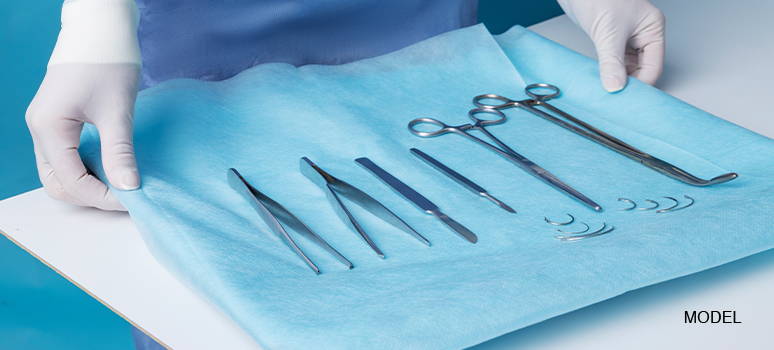
Command the Operating Room: Elite Plastic Surgery Instruments for Artistic Excellence
Introduction: Precision Defines Excellence in Plastic Surgery
Plastic surgery instruments are essential for achieving precision, control, and consistent surgical outcomes. From delicate tissue dissection to suturing and retraction, the quality of surgical tools directly impacts both efficiency and patient results.
This guide covers the most important plastic surgery instruments, their uses, and how to choose the best instruments set for your practice.
We recognize that choosing the right plastic surgery instruments set can be overwhelming. With countless options available, identifying the best plastic surgery instruments for optimal performance requires a deep understanding of functionality, craftsmanship, and surgical requirements. This comprehensive guide explores the most essential tools, their applications, and how to select superior instruments that elevate surgical outcomes.
Understanding Plastic Surgery Instruments: The Foundation of Surgical Mastery
Plastic surgery instruments are specialized tools designed to assist surgeons in performing delicate, precise, and minimally invasive procedures. These instruments are engineered with fine tips, ergonomic designs, and superior materials to ensure maximum control during surgery.
A high-quality plastic surgery instruments set typically includes tools for:
- Cutting and dissecting tissue
- Grasping and holding delicate structures
- Suturing and wound closure
- Retracting tissues for better visibility
Each instrument plays a critical role in ensuring clean incisions, minimal trauma, and optimal healing.
Essential Components of a Plastic Surgery Instruments Set
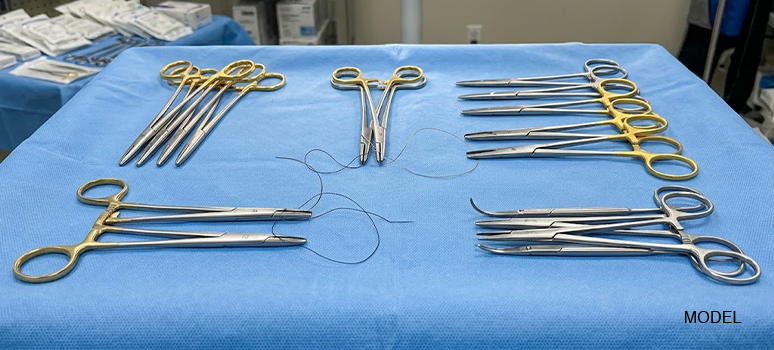
A complete plastic surgery instruments set includes a carefully curated selection of tools tailored for specific procedures. Below, we outline the most common plastic surgery instruments that form the backbone of any surgical setup.
1. Surgical Scissors: Precision Cutting Tools
Surgical scissors are indispensable for cutting tissues with accuracy and minimal damage. Popular types include:
- Metzenbaum Scissors – Ideal for delicate tissue dissection
- Iris Scissors – Used for fine, detailed work
- Super Cut Scissors – Designed for enhanced cutting performance
These scissors provide surgeons with controlled, smooth cutting action, essential for aesthetic procedures.
2. Forceps: Superior Grasp and Control
Forceps are used to hold, manipulate, and stabilize tissues during surgery. Common variations include:
- Adson Forceps – Perfect for delicate tissue handling
- DeBakey Forceps – Designed for atraumatic vascular manipulation
- Dressing Forceps – Used for general handling
High-quality forceps ensure firm grip without causing tissue trauma, a key factor in plastic surgery success.
3. Needle Holders: Precision Suturing
Needle holders are essential for secure and accurate suturing. They provide a stable grip on needles, allowing surgeons to place precise stitches.
Popular types:
- Mayo-Hegar Needle Holder
- Castroviejo Needle Holder – Ideal for microsurgery
These tools enable consistent suturing techniques, contributing to minimal scarring and improved cosmetic outcomes.
4. Retractors: Enhanced Visibility
Retractors are used to hold back tissues, providing surgeons with a clear view of the surgical area.
Types include:
- Skin Hooks – For delicate tissue retraction
- Self-Retaining Retractors – Maintain exposure without manual assistance
Effective retraction ensures precision and efficiency during procedures.
5. Scalpels and Blades: Clean Incisions
Scalpels are critical for creating precise, clean incisions. High-quality blades reduce trauma and promote faster healing.
Features to consider:
- Sharpness and durability
- Ergonomic handle design
- Compatibility with various blade sizes
What Defines the Best Plastic Surgery Instruments?
Not all surgical tools are created equal. The best plastic surgery instruments are distinguished by several key factors:
1. Material Quality
Premium instruments are made from high-grade stainless steel, ensuring:
- Corrosion resistance
- Longevity
- Ease of sterilization
2. Precision Engineering
Elite instruments feature:
- Fine tips for delicate procedures
- Balanced weight for better control
- Smooth edges to minimize tissue trauma
3. Ergonomic Design
Comfort is critical during long procedures. Instruments with ergonomic handles reduce fatigue and improve performance.
4. Reliability and Consistency
Consistency in performance ensures predictable surgical outcomes, which is essential in aesthetic procedures.
Why Surgeons Choose Robbins Instruments
When it comes to sourcing plastic surgery instruments, professionals trust Robbins Instruments for their commitment to excellence. Their instruments are crafted with precision engineering, superior materials, and meticulous quality control.
We emphasize that Robbins Instruments offers:
- Comprehensive plastic surgery instruments sets
- Tools designed for maximum accuracy and durability
- A reputation for meeting the demands of top surgeons worldwide
Their dedication to innovation and quality makes them a preferred choice for achieving artistic surgical excellence.
Advanced Instruments for Specialized Procedures
Modern plastic surgery often requires highly specialized tools designed for specific techniques.
Microsurgical Instruments
Used in intricate procedures such as facial reconstruction, these tools provide:
- Ultra-fine tips
- Enhanced magnification compatibility
Liposuction Cannulas
Designed for fat removal, these instruments offer:
- Smooth contours for minimal trauma
- Various sizes for different treatment areas
Rhinoplasty Instruments
Tailored for nasal reshaping, including:
- Osteotomes
- Rasps
- Elevators
These specialized tools allow surgeons to achieve refined, natural-looking results.
How to Choose the Right Plastic Surgery Instruments Set
Selecting the ideal plastic surgery instruments set requires careful consideration of several factors:
1. Procedure Requirements
Different procedures demand different tools. Ensure your set includes procedure-specific instruments.
2. Quality Over Cost
Investing in high-quality instruments reduces long-term costs by:
- Minimizing replacements
- Ensuring consistent performance
3. Manufacturer Reputation
Choose trusted suppliers like Robbins Instruments known for delivering reliable and high-performance tools.
4. Customization Options
Many surgeons prefer customized sets tailored to their specific techniques and preferences.
Maintenance Tips for Long-Lasting Performance
Proper care extends the life of your plastic surgery instruments and ensures optimal performance.
Cleaning and Sterilization
- Clean immediately after use
- Use appropriate sterilization methods
- Avoid harsh chemicals that damage surfaces
Regular Inspection
Check for:
- Dull edges
- Misalignment
- Corrosion
Proper Storage
Store instruments in protective cases to prevent damage and contamination.
The Role of Innovation in Plastic Surgery Instruments
Technological advancements continue to redefine the capabilities of plastic surgery instruments.
Innovations include:
- Laser-enhanced cutting tools
- Robotic-assisted surgical systems
- Improved ergonomic designs
These developments enhance precision, efficiency, and patient outcomes, setting new standards in surgical excellence.
Elevating Surgical Outcomes Through Superior Tools
We understand that achieving exceptional results in plastic surgery requires more than skill—it demands the best plastic surgery instruments available. By investing in high-quality tools, surgeons can:
- Improve procedural accuracy
- Reduce patient recovery time
- Achieve superior aesthetic outcomes
A well-equipped operating room is the foundation of consistent, high-quality surgical performance.
Conclusion: Precision, Quality, and Excellence
Choosing the right plastic surgery instruments is essential for achieving precision and consistent surgical outcomes. Investing in high-quality tools from trusted manufacturers ensures long-term reliability and optimal performance in every procedure.
We emphasize the importance of selecting a trusted provider like Robbins Instruments, ensuring access to elite tools designed for precision and reliability. By prioritizing quality and innovation, surgeons can confidently deliver results that exceed expectations.
FAQS
1. What are the most common plastic surgery instruments?
The most common plastic surgery instruments include scissors, forceps, needle holders, retractors, and scalpels, each serving a specific surgical function.
2. How do I choose the best plastic surgery instruments?
Focus on material quality, precision, ergonomic design, and manufacturer reputation when selecting the best instruments.
3. Why is a plastic surgery instruments set important?
A complete set ensures surgeons have all necessary tools for efficient and precise procedures, improving outcomes and workflow.
4. How often should surgical instruments be replaced?
Replacement depends on usage and maintenance, but regular inspection ensures tools remain safe and effective.
5. Why choose Robbins Instruments for plastic surgery tools?
Robbins Instruments provides high-quality, precision-engineered tools trusted by professionals for consistent and reliable performance.