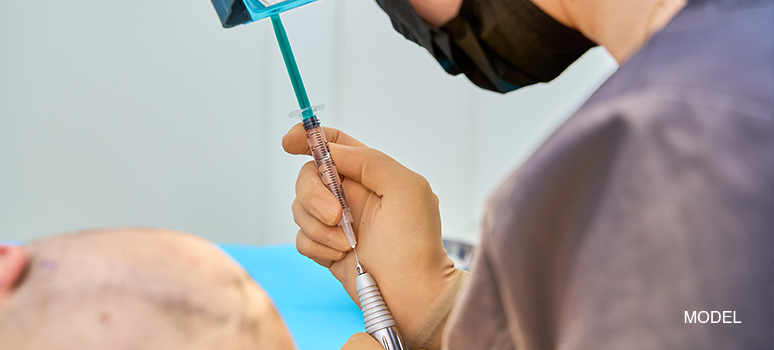
Introduction: Why Lipoplasty Cannula Sets Matter More Than Ever
Hair loss affects millions of men and women worldwide and for many, it can feel like a hit to confidence, self-image, and even social or professional presence. While countless topical products and non-surgical treatments promise results, very few offer permanent, natural-looking restoration. That’s where follicular unit extraction (FUE) stands out.
In recent years, FUE has become the gold standard in hair transplantation, thanks to its minimally invasive approach, minimal scarring, and outstanding long-term results. With the rise of new technologies such as modern FUE punch systems, ertip FUE punch tools, and highly precise donor graft extraction instruments, the procedure has never been more efficient or reliable.
What Is Follicular Unit Extraction (FUE)?
Follicular unit extraction (FUE) is a modern transplant technique in which individual follicular units each containing 1–4 hairs are harvested from a donor area (typically the back or sides of the scalp) and implanted into thinning or balding regions. Because follicles are removed individually, FUE avoids the linear scar associated with older strip-harvesting methods. Patients choose FUE for its natural results, minimal downtime, nearly invisible scarring, and long-term permanence. The technique is versatile and can also restore eyebrows, beard hair, and even body hair.
- A natural-looking hairline
- Minimal downtime
- A short haircut with no visible scarring
- Permanent results
FUE also offers more versatility because it can be used on various areas, including the scalp, eyebrows, beard, and even body hair restoration.
How Follicular Unit Extraction Works: Step-by-Step
1. Consultation and Evaluation
The FUE process begins with an in-depth consultation. Surgeons assess donor density, hair loss patterns, long-term expectations, and medical history. Factors such as patient age, family history, and hair type help determine the most effective treatment plan.
2. Preparation of the Donor Area
The donor region, usually the back of the scalp, is trimmed short to provide easy access for donor graft extraction. Local anesthesia ensures the patient remains comfortable.
3. Use of a Precision FUE Punch
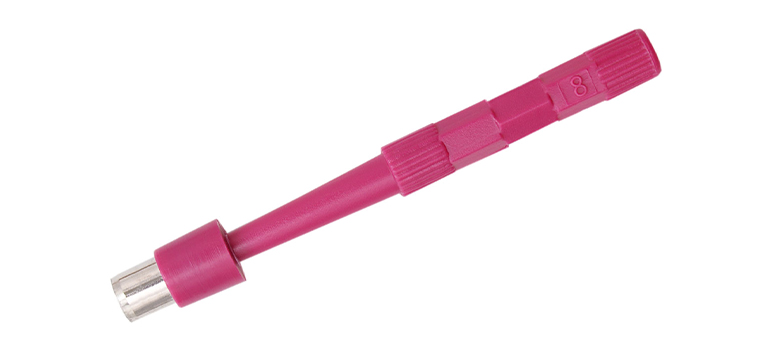
A critical part of FUE is the use of a specialized fue punch, a tiny circular blade that scores the skin around each hair follicle. Punch diameters typically range from 0.7–1.0 mm, chosen based on hair thickness and curl pattern.
High-quality tools such as the ertip FUE punch, available through suppliers like Robbins Instruments, help ensure:
- Smoother scoring
- Less trauma to the surrounding tissue
- Higher graft survival
- Cleaner follicle extraction
4. Donor Graft Extraction
Following scoring, forceps are used to gently extract the loosened follicular units. Precision is essential to preserve the root and ensure graft survival. Robbins Instruments’ donor extraction tools feature micro-accurate tips designed to minimize damage, protect the follicle structure, and improve efficiency during harvesting.
5. Recipient Site Creation
Once grafts are harvested, the surgeon designs the hairline and recipient area. Tiny channels are created to match the angle, depth, and direction of natural hair growth. Artistic skill plays a major role here.
6. Graft Implantation
Finally, the harvested follicles are inserted into the prepared sites. Surgeons typically place 1,500 to 4,000 grafts in a session, depending on the patient’s needs.
The Role of FUE Punch Technology in FUE Success
Why the Punch Tool Matters
The fue punch is arguably the most vital instrument in the entire procedure. Surgeons rely on it for consistent scoring and minimal transection (damage) of the follicle. A dull or poorly manufactured punch can lead to:
- Higher transection rates
- Poor graft survival
- Uneven extraction patterns
- Increased trauma and scarring
This is why the quality of tools sourced from industry leaders like Robbins Instruments directly affects clinical outcomes.
Introducing the Ertip FUE Punch: A Breakthrough in Hair Extraction Tools
Among modern punch technologies, the ertip FUE punch stands out for its ultra-sharp, ergonomic design and reduced friction.
Key Benefits of the Ertip FUE Punch:
- Superior sharpness for clean scoring
- Reduced skin resistance during extraction
- Lower graft transection rates
- Faster harvesting times
- Precision control for surgeons
The micro-engineered tip cuts smoothly while preserving the integrity of the follicle. The result? Higher graft quality and improved patient results.
Why Surgeons Trust Robbins Instruments for FUE Tools
Surgeons worldwide rely on Robbins Instruments for dependable, top-tier surgical tools built to support precision, comfort, and efficiency. Their collection of FUE tools including fue punches, ertip FUE punch systems, and donor graft extraction instruments matches the technical requirements of hair restoration specialists.
Surgeons choose Robbins Instruments because:
- Tools are engineered for maximum durability
- Punches maintain sharpness longer
- Surgical-grade steel ensures exact cutting performance
- Ergonomic designs reduce surgeon fatigue
- Devices deliver consistent, predictable results
Using high-quality tools not only improves clinical outcomes but also enhances patient satisfaction vital in a highly results-driven field like hair restoration.
Conclusion: Discover Seamless, Permanent Hair Restoration Through FUE
Follicular unit extraction has revolutionized the world of hair restoration by offering a minimally invasive, scar-free, and permanent solution for hair loss. With refined tools such as the fue punch, innovative technologies like the ertip FUE punch, and precision-engineered donor graft extraction tools from trusted suppliers like Robbins Instruments, achieving natural-looking, long-lasting results has never been more attainable.
For anyone struggling with thinning hair or bald patches, FUE provides a path to restored confidence, improved appearance, and a renewed sense of self. With the right surgeon, high-quality instruments, and a commitment to proper aftercare, you can enjoy seamless, beautiful hair that lasts a lifetime.
FAQS
1. Is follicular unit extraction painful?
No. FUE is performed under local anesthesia, so patients feel minimal discomfort during the procedure.
2. How long do FUE results last?
Results are permanent because donor hairs are genetically resistant to thinning. However, surrounding natural hair may continue to thin over time.
3. What is the difference between FUE and FUT?
FUT removes a strip of scalp, while FUE extracts individual follicles. FUE leaves no linear scar and has a faster recovery.
4. How many grafts can be transplanted in a single session?
Most surgeons transplant 1,500–4,000 grafts depending on donor density and patient goals.
5. Why is the choice of FUE punch important?
A high-quality punch such as the ertip FUE punch reduces trauma, improves graft survival, and ensures cleaner, more precise extraction.