Introduction: The Art and Science of Fat Transfer
In today’s world of aesthetic and reconstructive surgery, fat transfer has evolved into one of the most sophisticated and in-demand techniques. It’s not just about removing fat anymore, it’s about repurposing it with precision. Surgeons now recognize fat as a valuable and versatile grafting material capable of restoring volume, improving contours, and enhancing skin quality.
However, the success of a fat transfer procedure hinges on one crucial factor: graft viability. The ability of harvested fat cells to survive and integrate into their new environment determines the long-term quality of results. And this is where advanced fat transfer equipment plays a vital role.
Robbins Instruments delivers advanced liposuction instruments and cannula sets designed for precision, efficiency, and optimal graft survival. This article explores how modern tools enhance fat transfer outcomes and patient satisfaction.
Understanding Fat Transfer: A Brief Overview
Fat transfer, also known as autologous fat grafting, is a process where a patient’s own fat is extracted from one area of the body and injected into another. It’s commonly used for facial rejuvenation, breast enhancement, buttock augmentation, and reconstructive procedures.
The technique involves three primary steps:
- Harvesting – Extracting fat cells using specialized liposuction instruments or liposuction cannula sets.
- Processing – Purifying and isolating viable fat cells from fluids, oils, and debris.
- Reinjection – Carefully placing the purified fat into the desired areas to achieve natural-looking results.
Each step demands precision, and every instrument must preserve the structural integrity of adipocytes (fat cells). Even a small compromise in equipment design or performance can drastically affect cell survival rates and, consequently, patient outcomes.
Why Equipment Quality Matters in Fat Transfer
The success of fat transfer lies in the delicate balance between efficiency and gentleness. Fat cells are fragile, subjecting them to excessive trauma or shear stress during extraction or injection can reduce their viability.
This is where Robbins Instruments’ fat transfer equipment makes a difference. Designed with surgeon precision and patient safety in mind, their tools minimize tissue trauma while optimizing control and performance.
1. Maximizing Fat Cell Viability
High-quality fat transfer equipment ensures that adipocytes remain intact from harvesting to reinjection. Smooth, polished cannulas and ergonomic handles reduce turbulence and friction, which can destroy fat cells.
2. Enhancing Surgical Efficiency
Well-engineered liposuction instruments allow surgeons to extract and process fat quickly and effectively, cutting down on operative time and patient recovery. Robbins Instruments offers tools that deliver precision suction with consistent flow rates, improving procedural predictability.
3. Improving Graft Integration
When viable fat cells are transferred using the correct liposuction cannula set, they have a higher chance of integrating with the surrounding tissue. This leads to smoother, longer-lasting results and less postoperative resorption.
The Evolution of Fat Transfer Equipment
Over the last decade, fat transfer technology has evolved significantly. What was once a manual, labor-intensive process has become a sophisticated, equipment-driven technique that combines mechanical efficiency with biological preservation.
1. Traditional Fat Transfer Tools
In earlier years, surgeons relied on basic liposuction setups with little focus on fat viability. Cannulas were often blunt or too large, leading to tissue trauma and inconsistent graft survival.
2. Modern Innovations
Today’s fat transfer equipment integrates advanced engineering principles to optimize every phase of the process:
- Precision Cannulas: Designed with controlled apertures to minimize cell disruption.
- Closed-System Designs: Prevent contamination during transfer.
- Automated Aspiration Units: Provide consistent suction pressure for uniform fat extraction.
- Microfat and Nanofat Systems: Enable the use of refined fat particles for delicate areas such as the face and hands.
3. Robbins Instruments’ Contribution
Robbins Instruments is at the forefront of this technological evolution. Their liposuction instruments and fat transfer kits are engineered for superior performance, offering unmatched durability, balance, and control.
Each component from cannula tip design to tubing flexibility is crafted with meticulous precision, helping surgeons achieve the highest standards of graft viability and patient satisfaction.
Key Components of Advanced Fat Transfer Equipment
To truly understand what makes Robbins Instruments’ fat transfer equipment exceptional, let’s examine the essential components that define modern fat transfer systems.
1. Liposuction Cannula Set
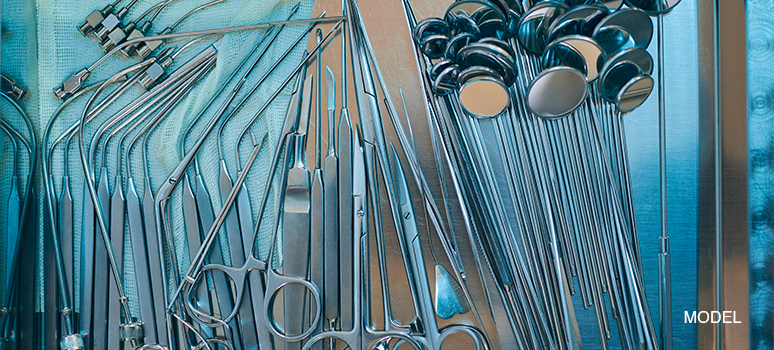
The liposuction cannula set is the cornerstone of every fat transfer procedure. These cannulas vary in diameter, length, and tip design depending on the target area.
- Multiport Cannulas: Allow smooth, even fat removal while minimizing trauma.
- Mercedes Tip Cannulas: Provide efficient suction flow with less resistance.
- Spatula and Basket Cannulas: Ideal for precise sculpting and fat harvesting from delicate areas.
Robbins Instruments offers a comprehensive range of liposuction cannula sets built from surgical-grade stainless steel for durability and consistent performance.
2. Aspiration Tubing and Suction Units
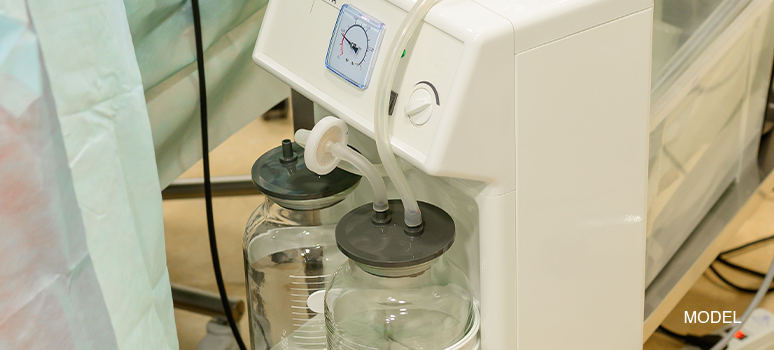
A reliable suction system ensures steady, controlled fat extraction. Robbins Instruments provides high-performance aspiration tubing that maintains consistent vacuum levels without collapsing under pressure. This ensures optimal fat cell preservation during harvest.
3. Fat Collection and Filtration Systems
Advanced filtration systems separate fat from blood, fluids, and anesthetic solution, ensuring a high concentration of healthy adipocytes. Robbins Instruments’ collection canisters are designed to streamline this purification phase while maintaining sterility.
4. Reinjection Syringes and Cannulas
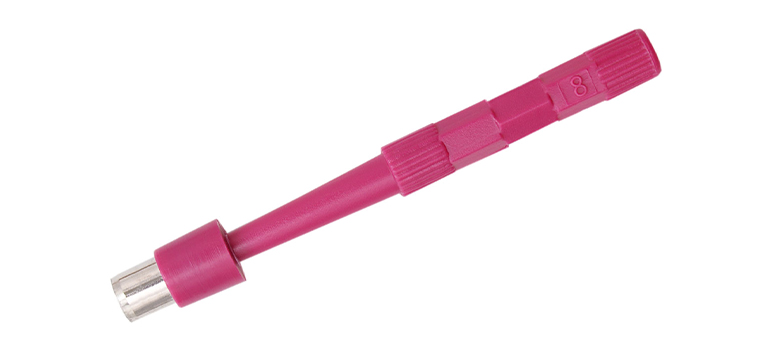
Once purified, the fat is carefully reintroduced using fine-gauge reinjection cannulas. These are designed for controlled, layered placement to maximize graft survival. Robbins’ reinjection sets offer precise control and superior tactile feedback, helping surgeons achieve natural, symmetrical results.
Conclusion: Unlocking the Full Potential of Fat Transfer
In the ever-advancing world of aesthetic surgery, success depends on both skill and equipment. Superior outcomes require instruments that combine innovation, precision, and reliability qualities that define Robbins Instruments’ fat transfer equipment.
By investing in advanced tools, surgeons can unlock higher graft viability, shorter recovery times, and exceptional, natural-looking results for their patients. Robbins Instruments continues to set the standard for excellence, ensuring every procedure delivers on its promise of beauty, balance, and lasting confidence.
FAQS
1. What is fat transfer and how does it work?
Fat transfer, or autologous fat grafting, involves extracting fat from one part of the body (such as the abdomen or thighs) and reinjecting it into another area to restore volume or enhance contours. Specialized fat transfer equipment ensures that the fat cells remain viable throughout the process.
2. Why is equipment quality important in fat transfer?
High-quality liposuction instruments and liposuction cannula sets minimize trauma to fat cells, improving graft survival and leading to smoother, longer-lasting results.
3. How does Robbins Instruments improve graft viability?
Robbins Instruments designs precision-engineered fat transfer equipment that ensures gentle fat extraction, sterile processing, and controlled reinjection preserving cell integrity and maximizing graft success rates.
4. What areas of the body can benefit from fat transfer?
Fat transfer can enhance the face, breasts, buttocks, hands, and even improve the appearance of scars. It’s a versatile solution for both cosmetic and reconstructive purposes.
5. How do I choose the right liposuction cannula set for my procedure?
Surgeons should select cannulas based on the target area, desired volume, and tissue characteristics. Robbins Instruments offers a wide range of cannula designs to suit every surgical application, ensuring precision and comfort.