Microcannulas Near Me: How to Choose the Right Cannula
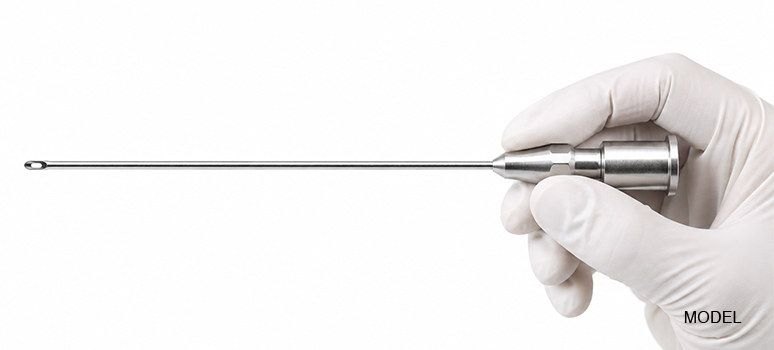
Searching for microcannulas near me can help medical and aesthetic professionals find suitable instruments for injectable procedures. A microcannula is a small, flexible tube designed to deliver compatible injectable products through an entry point in the skin. Many microcannulas feature a blunt, rounded tip rather than the sharp tip of a traditional needle.
Blunt-tip microcannulas have been studied for use with dermal fillers, with research examining their potential benefits for comfort, bruising, and tissue disruption. However, a cannula is not automatically risk-free. Safe use depends on factors such as anatomy, technique, product selection, and practitioner experience.
What Are Microcannulas?
Microcannulas are narrow delivery instruments used for certain minimally invasive procedures. Their flexible design allows a trained practitioner to guide the cannula through tissue from an entry point instead of making multiple needle punctures.
The term “microcannula” can describe instruments with different gauges, lengths, flexibility, and port configurations. The appropriate option depends on the procedure, treatment area, injectable product, and technique being used.
Unlike a sharp hypodermic needle, a blunt-tip cannula is designed to move through tissue while reducing the likelihood of directly piercing certain structures. Research has reported less bruising and discomfort in some filler applications when blunt-tip microcannulas were compared with needles, although results can vary depending on the procedure and technique.
Common Uses of Microcannulas
Microcannulas are commonly associated with aesthetic injectable procedures. They may be used for delivering compatible dermal fillers to areas such as the cheeks, lips, facial contours, hands, or other soft-tissue regions, depending on the practitioner’s training and the product instructions.
Clinical studies have evaluated blunt-tip microcannulas for applications including cheek augmentation and lip enhancement. One study examining hyaluronic acid filler for the midface found favorable clinical outcomes with no serious adverse events in the study population. These findings support their use in selected applications but do not mean that every procedure is equally suitable for a cannula.
Microcannula vs. Needle
One of the main reasons professionals consider microcannulas is their different tip design. A needle has a sharp point that can provide precise placement for certain targeted injections. A blunt-tip cannula, by contrast, is intended to glide through tissue and distribute product along a treatment path.
Studies have found potential advantages of cannulas in selected applications, including reduced bruising and pain. More recent reviews also suggest that cannulas may have a lower risk signal for certain vascular complications in some high-risk areas. Still, vascular injury can occur with either device, and cannulas should not be considered inherently risk-free.
The choice between a cannula and a needle should therefore be based on the treatment area, desired placement, product, anatomy, and practitioner’s experience rather than assuming one instrument is always better.
Choosing Microcannulas Near Me
When searching for microcannulas near me, professionals should look beyond availability alone. The instrument should match the intended application and be appropriate for the compatible injectable product and delivery system.
Consider the following factors:
- Gauge and length: Different procedures may require different dimensions. Gauge and length can affect flexibility, control, and the area that can be reached.
- Tip design: Blunt-tip configurations are commonly selected for applications where tissue navigation and product distribution are important.
- Port configuration: The location and size of the opening can influence how the product is delivered.
- Flexibility: A flexible cannula may be useful for navigating curved treatment areas, while other applications may require greater control or stability.
- Material and construction: The cannula should be manufactured to appropriate medical-device standards and be compatible with the intended procedure.
- Packaging and sterility: Sterile, appropriately packaged instruments are essential for procedures involving skin penetration.
- Compatibility: Always confirm that the cannula is appropriate for the product, syringe, connector, and technique being used.
Why Quality Matters
A microcannula is a precision instrument. Manufacturing consistency can affect handling, insertion, flexibility, and product delivery. For professional use, selecting instruments from a reputable medical-device supplier can help practices maintain consistent standards.
It is also important to distinguish between purchasing a cannula and using one safely. A high-quality instrument cannot replace knowledge of anatomy, injection technique, patient assessment, and emergency management.
Safety Considerations
Microcannulas can reduce some forms of tissue trauma compared with sharp needles in selected applications, but they do not eliminate complications. Vascular occlusion, tissue injury, infection, swelling, bruising, and other adverse events remain possible with injectable procedures.
Professional guidance emphasizes knowledge of facial anatomy and blood vessels, careful technique, slow injection, low pressure, and small amounts of product. Recent research also highlights the potential value of ultrasound guidance in selected procedures because it can help confirm the injection plane and improve visualization of relevant anatomy.
For this reason, microcannulas should be used by appropriately trained professionals who understand the relevant anatomy and the specific procedure being performed. They should not be used for self-injection, as unsupervised injectable procedures can result in serious vascular, infectious, or tissue-related complications.
Finding the Right Microcannulas
Searching for microcannulas near me can be a useful starting point, but the best choice should be based on more than proximity. Professionals should compare specifications, intended applications, sterility, construction, compatibility, and supplier reliability.
Before ordering, verify the cannula’s gauge, length, tip style, port configuration, connector compatibility, and intended use. If a practice regularly performs several types of injectable procedures, maintaining a selection of appropriate sizes may help support different techniques and treatment areas.
The right microcannula can be an important part of a well-planned injectable procedure. However, the instrument is only one part of safe practice. Proper patient assessment, anatomical knowledge, appropriate product selection, careful technique, and appropriate follow-up all contribute to responsible treatment.
FAQs About Microcannulas Near Me
1. What are microcannulas used for?
Microcannulas are used to deliver compatible injectable products through an entry point in the skin. They are commonly associated with selected aesthetic filler procedures.
2. Are microcannulas safer than needles?
Not necessarily in every situation. Some studies report less bruising or a lower vascular-risk signal with cannulas in selected applications, but complications can still occur. Device choice should be based on the procedure, anatomy, and practitioner expertise.
3. What size microcannula should I choose?
The appropriate gauge and length depend on the treatment area, product, technique, and required tissue plane. Professionals should select dimensions appropriate for the intended application rather than choosing a size based only on convenience.
4. Can microcannulas be reused?
Whether a cannula is reusable depends on its specific design and manufacturer instructions. Single-use sterile devices should never be reused, and practices should follow applicable infection-control requirements.
5. What should I look for when buying microcannulas?
Look at gauge, length, tip design, port configuration, material, sterility, connector compatibility, intended use, and supplier reliability. Product instructions and applicable medical-device requirements should also be reviewed.