Extractors Houston: Types, Uses & Surgical Applications
Surgical instruments play an important role in supporting precision, control, and efficiency during medical procedures. Among the many specialized instruments used by healthcare professionals, extractors Houston providers and medical facilities may source are designed for specific extraction, removal, grasping, or manipulation tasks.
The appropriate extractor depends on the procedure, the tissue or material being handled, and the level of control required. Selecting a properly designed instrument can help surgical teams maintain an organized workflow while supporting precise handling during procedures.
Whether used in plastic surgery, general surgery, gynecology, dentistry, or other medical specialties, extractors are available in different designs to accommodate different clinical applications.
What Are Surgical Extractors?
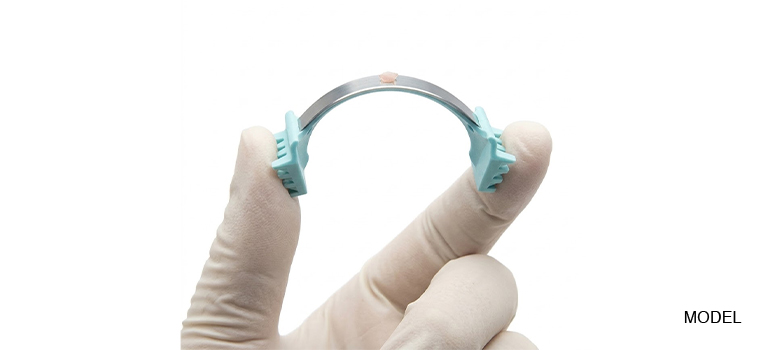
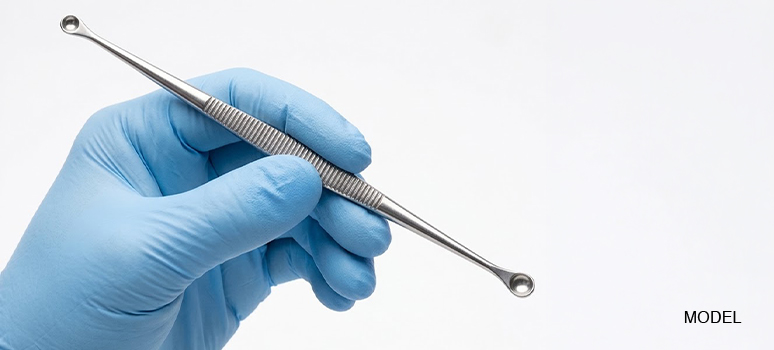
Surgical extractors are specialized medical instruments designed to assist with removing, retrieving, or manipulating tissue, objects, or materials during a procedure. Their design may include jaws, handles, tips, or other features that allow healthcare professionals to maintain control over the item being handled.
The term “extractor” can describe different instruments depending on the medical specialty and intended application. Some are designed for grasping or removing tissue, while others may be developed for retrieving specific materials or assisting with procedures where controlled extraction is required.
Because surgical procedures vary significantly, there is no single extractor that is suitable for every application. Instrument design, size, tip configuration, material, and ergonomics should all be considered when selecting an instrument.
Common Uses of Surgical Extractors
The primary purpose of an extractor is to assist with controlled removal or retrieval during a medical procedure. Depending on the design, extractors may be used to handle tissue, foreign materials, surgical components, or other items encountered during treatment.
Some applications require instruments capable of providing a secure grip, while others may require a more delicate approach to minimize unnecessary tissue manipulation.
The instrument should always be selected according to the specific procedure and the healthcare professional’s technique.
Types of Extractors
Extractors can vary considerably in shape and construction. Understanding the differences between instrument designs can help medical professionals select equipment appropriate for their intended application.
Grasping Extractors
Some extractor designs incorporate jaws or tips intended to grasp and hold material securely. These instruments can provide controlled handling when an item needs to be retrieved or removed.
The configuration of the jaws can influence how the instrument interacts with the material being handled. Fine or narrow tips may be appropriate for smaller targets, while broader designs may provide a different type of grip.
Tissue Extractors
Certain extractors are designed for use when tissue needs to be grasped, manipulated, or removed. These instruments require careful handling because excessive force can potentially damage surrounding tissue.
The appropriate instrument depends on the procedure, tissue characteristics, and the surgeon’s preferred technique.
Specialized Extractors
Medical specialties may use specialized extraction instruments designed for particular procedures. These instruments can have unique tip shapes, dimensions, or operating mechanisms intended to support a specific clinical application.
When purchasing specialized instruments, it is important to verify that the instrument’s specifications correspond with the intended procedure.
Extractors in Plastic and Cosmetic Surgery
Precision is particularly important in plastic and cosmetic surgery, where surgeons often work with delicate tissues and focus on controlled manipulation.
Extractors may be used as part of specific surgical techniques where tissue, material, or other components need to be carefully handled or removed.
The instrument’s size, tip configuration, grip, and overall construction can influence how easily a surgeon can control it during a procedure.
For surgical teams, having the appropriate instruments available can help support an efficient operating-room workflow and reduce the need to substitute an unsuitable instrument during a procedure.
Why Instrument Design Matters
The design of a surgical extractor can affect its usability and performance.
Important design considerations may include:
- Tip configuration
- Jaw design
- Instrument length
- Handle ergonomics
- Overall weight
- Surface finish
- Material construction
- Precision of the moving components
An instrument should provide an appropriate balance between strength and control. A surgeon may need an extractor that can securely grasp an item while still allowing precise manipulation.
Ergonomics are also important. Instruments that are comfortable to hold and operate may support efficient handling during procedures that require repeated or sustained use.
Choosing Extractors Houston Medical Professionals Can Rely On
When looking for extractors Houston medical facilities can use in clinical settings, it is important to evaluate more than the instrument’s basic appearance.
Healthcare professionals should consider the intended application, instrument dimensions, material, construction quality, and compatibility with existing surgical equipment.
A few important factors include:
Intended Application
Start by identifying exactly how the extractor will be used. A general-purpose instrument may not provide the same functionality as a specialized extractor designed for a particular procedure.
Instrument Size
The size and length of an extractor can affect access and maneuverability. Smaller instruments may be useful for delicate areas, while longer instruments may be required for procedures involving deeper or less accessible locations.
Tip Configuration
The tip is one of the most important features to evaluate. Different configurations provide different levels and types of grip, making tip selection closely related to the intended clinical application.
Material Quality
Surgical instruments are commonly manufactured from materials selected for strength, durability, corrosion resistance, and compatibility with sterilization processes.
High-quality construction can help instruments maintain their functional characteristics through repeated clinical use when properly maintained.
Ergonomics
An extractor should be comfortable and practical for the healthcare professional using it. Handle design and instrument balance can influence control and ease of use.
Stainless Steel Surgical Extractors
Stainless steel is widely used in the manufacture of reusable surgical instruments because of its combination of strength, durability, and corrosion resistance.
For reusable extractors, material quality is particularly important because instruments may undergo repeated cleaning, disinfection, and sterilization.
However, the specific properties of an instrument depend on the grade of material, manufacturing process, surface finish, and overall construction.
Healthcare facilities should follow the manufacturer’s instructions regarding cleaning, sterilization, inspection, and maintenance.
Cleaning and Sterilization Considerations
Proper instrument care is essential for reusable surgical instruments.
After use, extractors should be handled according to the healthcare facility’s established instrument-processing protocols. Cleaning should remove biological material and other contaminants before sterilization.
Manufacturers’ instructions should be followed because different instruments may have specific requirements or limitations.
Regular inspection is also important. Healthcare professionals or sterile-processing personnel should check instruments for signs of:
- Corrosion
- Cracks
- Damage
- Loose components
- Dull or damaged tips
- Misalignment
- Reduced functionality
An instrument that appears damaged or does not function correctly should be evaluated before being returned to clinical use.
The Importance of Precision in Surgical Instruments
Precision is an important consideration when selecting surgical instruments. An extractor should perform consistently and allow the user to maintain appropriate control during the intended procedure.
Poorly fitting components, damaged tips, or inadequate construction can affect the instrument’s functionality.
For medical facilities, investing in appropriately designed surgical instruments can support standardized workflows and help surgical teams use equipment suited to their procedures.
Instrument selection should therefore be based on clinical requirements rather than appearance or cost alone.
How to Select the Right Extractor
When evaluating different extractor options, consider the following checklist:
- Identify the procedure. Determine exactly what the instrument needs to accomplish.
- Review the tip design. Make sure the tip configuration is appropriate for the intended task.
- Choose the appropriate size. Consider the location and depth of the procedure.
- Evaluate construction. Look for suitable materials and reliable manufacturing.
- Consider ergonomics. The instrument should be comfortable and controllable.
- Check sterilization compatibility. Confirm that the instrument can be processed according to your facility’s protocols.
- Inspect quality. Check moving components, tips, joints, and surfaces before use.
- Follow manufacturer guidance. Use and maintain the instrument according to its intended specifications.
These considerations can help healthcare professionals make more informed decisions when selecting surgical extractors.
Frequently Asked Questions About Extractors Houston
1. What are surgical extractors used for?
Surgical extractors are specialized instruments used to assist with controlled removal, retrieval, grasping, or manipulation during medical procedures. Their specific function depends on the instrument’s design and intended application.
2. What should I consider when choosing an extractor?
Consider the intended procedure, instrument size, tip configuration, material, ergonomics, sterilization requirements, and overall construction quality. Selecting the instrument based on its intended clinical use is important.
3. Are stainless steel extractors reusable?
Many surgical extractors are manufactured for reusable applications, but whether a specific instrument is reusable depends on its design and manufacturer’s instructions. Always follow the appropriate cleaning, sterilization, and maintenance guidelines.
4. How should surgical extractors be maintained?
Reusable extractors should be cleaned, inspected, and sterilized according to the manufacturer’s instructions and the healthcare facility’s established protocols. Instruments should also be checked regularly for damage or reduced functionality.
5. Where can medical professionals find extractors in Houston?
Medical professionals can source surgical extractors through established medical and surgical instrument suppliers serving Houston. When evaluating a supplier, consider instrument specifications, manufacturing quality, product availability, and customer support.
Finding the Right Surgical Extractors in Houston
Selecting the right surgical instrument is an important part of preparing for a medical procedure. Extractors Houston healthcare professionals use should be selected according to the specific clinical application, instrument design, material, ergonomics, and sterilization requirements.
Whether an extractor is needed for plastic surgery, general surgery, or another specialty, choosing an instrument designed for the intended task can support appropriate handling and surgical workflow.
Healthcare facilities should work with reputable medical instrument suppliers and verify product specifications before purchasing. Proper cleaning, sterilization, inspection, and maintenance are equally important for reusable instruments.
By considering both the clinical purpose and the instrument’s construction, medical professionals can make informed decisions when selecting extractors for their surgical needs.