Introduction: The Key to Elevating Your Surgical Precision
In plastic and reconstructive surgery, success is often measured in millimeters. The gap between a flawless result and a visible imperfection hinges not only on surgical skill, but on the nuanced precision of the instruments used. Among the many tools on a surgical tray, few are as critical — and as underappreciated — as iris scissors.Standard tools can cause tissue trauma, imprecise cuts, and compromised aesthetic outcomes — and that’s where the laterally angled iris scissors for plastic surgery become a game-changer, offering the precision needed to elevate outcomes.
This article explores the advantages of these precision instruments and why they are unsung heroes in the operating room — so you can see why investing in quality such as that of Robbins Instruments — is investing in your patients’ results and your peace of mind.
The Foundation of Precision: Iris Scissors Explained
What Are Iris Scissors?
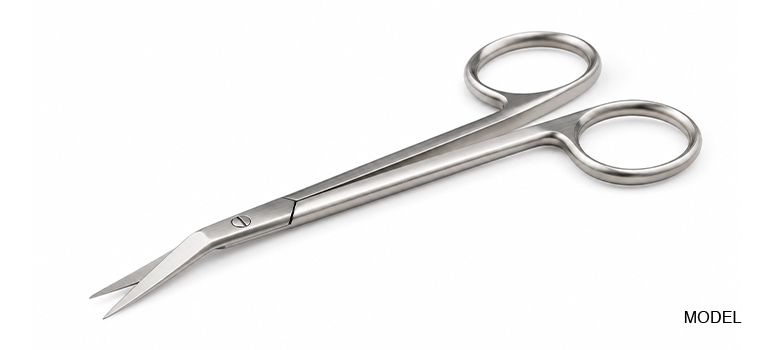
Before exploring the lateral angle, it helps to understand the base instrument. Iris scissors were originally developed for ophthalmic surgery—specifically, for procedures involving the delicate iris of the eye. They are defined by several key features:
- Slim, delicate blades – typically 4.5 to 5 inches in overall length
- Fine tips – enabling precise cutting in confined spaces
- Spring-loaded or ring handles – designed to reduce finger fatigue
- Variety of tip configurations – including sharp/sharp, blunt/blunt, and sharp/blunt options
In plastic surgery, these scissors have become invaluable for fine dissection, trimming skin grafts, cutting sutures in tight areas, and shaping soft tissues with minimal trauma. Yet while standard iris scissors are useful, their straight-axis design often limits precision — a limitation that laterally angled iris scissors overcome.
The Evolution to Lateral Angling
Surgeons quickly realized that straight-design scissors force the hand to hover directly over the surgical site, obstructing the very field they need to see. In procedures where millimeters matter, this limitation can separate a clean, confident cut from a compromised outcome. Instrument designers responded with a solution: the lateral angle.
This “laterally angled” design refers to a bend in the shank that moves the tip out of line with the handle, creating a critical offset for certain surgical approaches. With that precise bend, the tips reach the tissue while the surgeon’s hand rests comfortably to the side — unlocking clearer visibility, better ergonomics, and enhanced control. What began as an ophthalmic tool evolved into an indispensable asset for plastic surgeons worldwide.
Laterally Angled Iris Scissors for Plastic Surgery: Key Features
When selecting this instrument, surgeons should look for specific characteristics that define its quality. The top instruments from trusted brands like Robbins Instruments exhibit several hallmarks of excellence.
- Blade Sharpness and Geometry
The blades of these scissors must be razor-sharp to provide a clean, clean cut, with the cutting edges perfectly aligned. If there is a gap between the blades, the scissors will crush tissue rather than cut it. Lateral angled scissors often feature a super-cut edge, which provides even better sharpness.
- Handle Design and Balance
The spring mechanism or ring handles should offer smooth action without being too stiff or too loose. The balance point of the scissors should be centered, allowing the surgeon to feel the weight of the instrument without fatigue. The lateral bend should be precise, ensuring that the cutting tips close perfectly even with the offset.
- Sterilization Durability
Steel that resists corrosion is vital to prevent pitting. Robbins Instruments implements rigorous quality control to ensure that their high-grade surgical steel stands up to autoclaving and ultrasonics without compromising the lateral angle or the integrity of the tips.
Best Practices for Usage and Maintenance
To maximize the return on investment when using an iris scissors laterally angled for plastic surgery, adopting a strict care protocol is essential.
Handling and Technique
- Use the Right Size: Typically, these scissors come in sizes like 4.5 inches or 5 inches. The length should be comfortable for the specific task.
- Don’t Use Them as Pliers: Never use these delicate scissors to grasp or clamp tissue. This will damage the cutting edges and align the blades poorly.
- Cut on the Curve: When using the lateral angle, the surgeon should get a feel for how the angle directs the cutting force to achieve the best results.
Sterilization and Care
- Sterilization Methods: While high-grade surgical steel withstands most methods, cleaning thoroughly before sterilization is non-negotiable.
- Avoid Dropping: Dropping a high-grade surgical steel instrument can disrupt the delicate lateral angle.
- Storage: Store them in a dedicated slot in an instrument tray to prevent them from banging against other instruments.
Why Choose Robbins Instruments for Your Iris Scissors
The market is flooded with cheap imitations, but the difference in performance is stark. Robbins Instruments has stood the test of time by focusing on craftsmanship and consistency.
Quality Assurance
At Robbins Instruments, each iris scissors laterally angled for plastic surgery is crafted from high-grade surgical steel under strict quality control standards. They understand the stress placed on these delicate instruments, especially in high-volume practices. Their tools are designed to maintain their sharpness and precise alignment over years of service.
Surgeon-Focused Design
Robbins Instruments’ lateral angled scissors are engineered to offer the maximum possible visibility and ergonomic support. The brand is trusted by leading plastic surgeons because they know that when a patient’s aesthetic outcome is on the line, only the best will do.
Conclusion: The Cutting Edge of Plastic Surgery
The surgical field is shifting toward less trauma and greater precision, and the laterally angled iris scissors perfectly embody that shift, proving that the right tool doesn’t only assist, but enables excellence.
For plastic surgeons, this instrument isn’t simply a luxury; it’s a necessity that offers the ergonomic relief needed for lengthy procedures, the visibility required for safety, and the sharpness essential for clean hemostasis and optimal healing. Choosing high-grade steel instruments from Robbins Instruments means your surgical tray is always ready to deliver your best work.
Explore the full range at Robbins Instruments and discover how superior tools can transform your practice and refine your precision.
FAQs
1. What specific surgeries benefit most from iris scissors laterally angled for plastic surgery?
These scissors are most beneficial in oculoplastic surgeries (like blepharoplasty), facial reconstructive surgery, hand surgery, and any microsurgical procedures where fine dissection is needed in tight or shallow spaces, allowing the surgeon to cut parallel to the tissue surface without obstruction.
2. How does the lateral angle improve surgical outcomes?
The lateral angle improves visibility by removing the surgeon’s hand from the direct line of sight. It also creates an ergonomic advantage, reducing wrist fatigue, which allows for steadier, more controlled movements and more precise cuts.
3. Are these scissors the same as standard iris scissors?
No. Standard iris scissors are typically straight, while the lateral angle refers to a specific bend in the shank, creating an offset between the handle and the tips, creating a key functional difference for specific surgical approaches.
4. How do I care for my iris scissors laterally angled for plastic surgery?
Proper care includes immediate cleaning after use to remove debris, using the correct sterilization cycles to prevent corrosion, avoiding dropping the instruments, and storing them separately to protect the delicate tips and precise angle.
5. Why should I choose Robbins Instruments?
Robbins Instruments is renowned for its stringent quality control and use of premium high-grade surgical steel. Their instruments are built for longevity, ensuring that the scissors maintain their sharpness, precision, and lateral angle through many cycles of sterilization and use, making them a reliable and cost-effective choice for your practice.