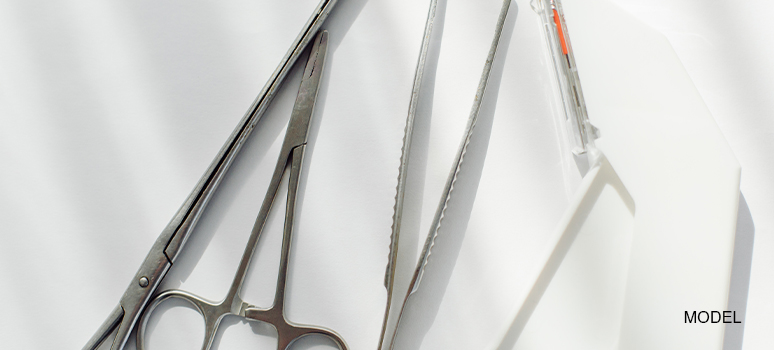
Introduction: Why Precision Needle Drivers Matter More Than Ever
In every surgical procedure, accuracy is not optional; it’s the foundation of successful outcomes. One critical instrument often determines that success more than surgeons realize: the needle driver. Whether closing delicate tissue layers or performing complex suturing deep within the body, a surgeon’s ability to maintain control, precision, and stability rests heavily on the quality of the needle holder instrument in their hands.
But not all needle drivers are created equal. Some slip under pressure, others lack ergonomic comfort, and a few fail to provide consistent bite strength. When the stakes are high and they always are in surgery choosing elite-quality needle drivers becomes essential for ensuring secure sutures and minimizing patient risk.
What Are Needle Drivers and Why Are They Essential?
The Purpose and Function of Needle Drivers
A needle driver, also known as a needle holder, is a surgical device used to securely grasp and guide suturing needles through tissue. Although simple in appearance, the instrument’s mechanical precision directly impacts suture placement, tension control, and overall wound healing.
Essentially, needle drivers act as an extension of the surgeon’s hand allowing controlled micro-movements that human fingers alone cannot achieve.
Their primary functions include:
- Grasping the needle firmly without slipping
- Guiding the needle at the correct angle
- Maintaining stability during knot tying
- Ensuring safe tissue penetration
- Reducing hand fatigue during long closures
Because suturing is a foundational step in every surgical specialty from general surgery to plastic and cardiovascular surgery the reliability of a needle holder instrument cannot be overstated.
Parts of a Needle Holder: Understanding the Anatomy
To appreciate what makes elite needle drivers stand out, it’s important to understand their structure. High-quality surgical instrument needle holders include:
1. Jaws
The jaws are responsible for gripping the needle and must balance strong holding power with delicate control. Elite needle drivers incorporate tungsten carbide (TC) inserts for superior grip strength and long-term durability.
2. Shanks
These connect the jaws to the ring handles, designed to provide leverage while maintaining light, responsive movement.
3. Box Lock
This joint allows controlled opening and closing. A well-constructed box lock ensures smooth movement and longevity of the instrument.
4. Ratchet Mechanism
The ratchet locks the needle holder in place with adjustable tension levels.
An inconsistent ratchet can either crush the needle or fail to secure it both unacceptable in surgery.
5. Finger Rings
Designed for comfortable handling, the rings must be ergonomic and balanced to enhance precision.
Top-tier surgical instrument needle holders, such as those offered by Robbins Instruments, incorporate years of engineering refinement into each of these parts for optimal performance.
Types of Needle Drivers: Choosing the Right Model for Your Specialty
Different procedures require different levels of precision, jaw sizes, and ergonomic styles. Below are some of the most commonly used types:
1. Mayo-Hegar Needle Holders
A versatile, widely used needle holder ideal for general surgical suturing. Ideal for medium needles and standard closures.
2. Olsen-Hegar Needle Holders
These models combine a needle driver with integrated scissors, reducing instrument changes. Preferred in fast-paced environments where time and efficiency matter.
3. Crile-Wood Needle Holders
Known for exceptional precision through TC inserts, making them excellent for fine sutures used in cardiovascular and plastic surgery.
4. Castroviejo Needle Holders
These spring-loaded, fine-tip needle holders are used for microsurgery, ophthalmology, and delicate tissue work.
Designed for unparalleled finesse.
5. Webster Needle Holders
Commonly used in plastic surgery, they offer lightweight handling and are ideal for small needles.
By matching the needle driver to the surgical application, surgeons can achieve better results with less effort and greater confidence.
The Importance of High-Quality Needle Drivers in Surgical Performance
Suturing may be only one step in a procedure, but it is among the most critical for long-term success. A weak closure leads to:
- Wound dehiscence
- Infection risk
- Prolonged healing
- Need for revision surgery
High-performance needle drivers help prevent these outcomes by:
Ensuring consistent needle placement
which results in cleaner, more precise sutures.
Reducing tissue trauma
due to improved control and smoother needle passage.
Maintaining suture tension stability
which is key to optimal wound healing.
Increasing surgeon confidence and efficiency
allowing more focus on technique rather than fighting the instrument.
Surgeons consistently report that the right needle holder instrument feels like a natural extension of their hand and that difference often shows in patient outcomes.
Why Robbins Instruments Is Trusted for Elite Surgical Needle Holders
Surgeons around the world rely on Robbins Instruments for premium-quality surgical tools, and their needle drivers are no exception. Built with meticulous craftsmanship, each instrument is designed to provide:
1. Tungsten Carbide Grip Strength
Robbins Instruments integrates TC inserts for unmatched hold, reducing slippage even on fine needles.
2. Long-Lasting Structural Durability
Their surgical instrument needle holders resist wear and maintain alignment through repeated sterilization cycles.
3. Precision Engineering
Every instrument undergoes multi-point inspection to ensure perfect jaw alignment, smooth ratcheting, and ergonomic handling.
4. Thoughtfully Designed Models for Every Specialty
From general surgery to microsurgery, Robbins Instruments offers needle drivers tailored to each surgeon’s needs.
5. Affordable Excellence
Despite premium craftsmanship, Robbins Instruments provides competitive pricing ensuring hospitals and surgical centers receive superior value.
When surgical outcomes depend on instrument reliability, Robbins Instruments stands out as a provider of elite, dependable tools.
How to Choose the Right Needle Drivers for Your Practice
To select the best needle holder instrument, consider these essential factors:
1. Procedure Type
More delicate procedures require finer jaw control, while general suturing may demand heavier Mayo-Hegar styles.
2. Needle Size
Ensure your needle driver’s jaw design matches the size and curvature of the suture needles you commonly use.
3. Handle Comfort
Choose models with ergonomic rings and balanced weight — especially if performing long closures.
4. Material Quality
Look for stainless steel with tungsten carbide inserts for maximum durability.
5. Manufacturer Reputation
Choose trusted companies like Robbins Instruments, known for strict quality control and surgical-grade engineering.
6. Maintenance and Sterilization Needs
Instruments that withstand frequent sterilization without loosening or corroding will offer longer service life.
Conclusion: Elevate Surgical Precision With Elite Needle Drivers
Precision suturing is a cornerstone of successful surgery and high-quality needle drivers are indispensable for achieving that precision. From maintaining secure needle grip to enhancing ergonomic comfort and supporting accurate wound closure, the right needle holder instrument elevates both surgical performance and patient outcomes.
By choosing expertly engineered tools such as those from Robbins Instruments, surgeons ensure they have the control, stability, and confidence needed for exceptional suturing in any procedure. Investing in elite surgical needle holders isn’t just about technique—it’s about delivering the highest standard of patient care.
If you’re ready to strengthen your surgical toolkit and achieve consistent, secure closures, explore the full line of Robbins Instruments needle drivers and experience the difference precision craftsmanship makes.
FAQS
1. What is the main difference between a needle driver and a needle holder?
These terms are used interchangeably. Both refer to the instrument used to grasp and guide suturing needles during surgical closure.
2. Why are tungsten carbide inserts important in a needle holder instrument?
TC inserts offer superior grip strength, durability, and resistance to wear making them essential for consistent, slip-free suturing.
3. How long do surgical instrument needle holders last?
With proper care, high-quality needle drivers from companies like Robbins Instruments can last many years, even with daily use.
4. Can one needle driver be used for all procedures?
Not ideally. Different surgeries require different needle sizes, angles, and precision levels, so most surgeons use multiple types.
5. What makes Robbins Instruments needle drivers unique?
Robbins Instruments prioritizes precision engineering, ergonomic design, tungsten carbide strength, and long-lasting durability all while keeping prices competitive.