Introduction: Why Understanding Cannulas Matters
In modern medicine, precision and safety go hand in hand. One of the most widely used yet often overlooked medical instruments is the cannula. Whether you’re a medical professional, a surgical supplier, or a curious patient, understanding the parts of cannula and its applications can make a significant difference in both clinical outcomes and patient safety.
At Robbins Instruments, we recognize the vital role cannulas play in everyday medical procedures, from intravenous (IV) therapy to cosmetic surgeries. However, many people are unfamiliar with how a cannula works, the types available, and why its design is important.
This article provides a comprehensive guide to cannulas—their parts, types, and uses—empowering you to choose the most appropriate option for specific medical procedures.
What Is a Cannula?
A cannula is a thin tube inserted into the body to deliver or remove fluids or to collect data. Cannulas are indispensable tools in healthcare settings, used in various procedures such as IV therapy, surgical suctioning, and even aesthetic treatments like liposuction.
The versatility of cannulas lies in their range of types, sizes, and designs, each tailored to specific medical needs.
The Essential Parts of a Cannula
Understanding the parts of a cannula is crucial for medical professionals to ensure correct selection and application. Each part plays a specific role in its functionality and safety.
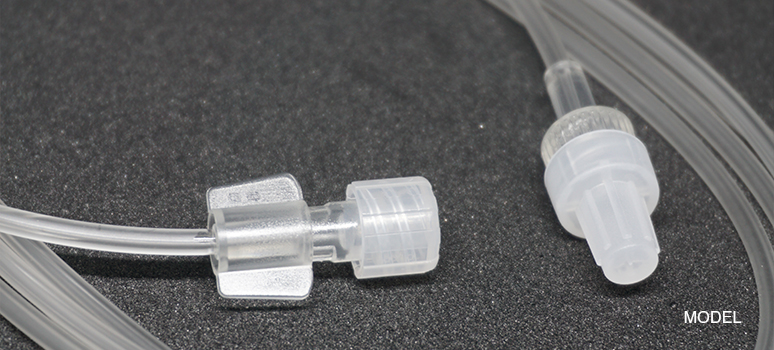
1. Hub
The hub is the cannula’s connection point, linking it with syringes, IV lines, or other equipment. It is typically color-coded based on cannula gauge for easy identification.
- Material: Usually plastic or metal.
- Function: Securely connects the cannula to other medical equipment.
- Importance: A poor-quality hub can lead to leakage or detachment, which is why Robbins Instruments ensures our hubs meet the highest safety standards.
2. Cannula Shaft (Tube)
The shaft is the long, hollow tube that enters the patient’s body.
- Material: Stainless steel, medical-grade plastic, or silicone.
- Function: Allows the passage of fluids, gases, or surgical instruments.
- Importance: The shaft must balance flexibility and rigidity to avoid tissue damage.
3. Bevel (Tip)
The bevel is the slanted end of the cannula, designed to pierce the skin or tissue smoothly.
- Design: Can vary between sharp or blunt depending on usage.
- Importance: Blunt-tipped cannulas are often used in aesthetic procedures to reduce bruising and trauma.
4. Needle (for IV Cannulas)
Some cannulas come with an introducing needle that helps in initial insertion.
- Function: Provides the rigidity needed to insert the cannula into a vein or body cavity.
- Importance: Once properly positioned, the needle is removed, leaving only the flexible tube in place. Once the cannula is correctly placed, the needle is removed, leaving the flexible tube in place.
5. Protective Cap
The protective cap covers the tip when the cannula is not in use.
- Function: Prevents contamination.
- Importance: An essential component for maintaining sterility before application.
Types of Cannulas: Choosing the Right One
Medical professionals must select the right type of cannula based on the procedure and patient needs. Here’s a breakdown of the most common types:
1. Intravenous (IV) Cannula
- Uses: Administering fluids, medications, or collecting blood samples.
- Example: Peripheral IV cannulas for quick fluid access.
- Available at Robbins Instruments: Various gauges and color-coded hubs.
2. Nasal Cannula
- Uses: Delivering supplemental oxygen.
- Features: Soft prongs that fit into the nostrils.
- Advantage: Non-invasive and suitable for long-term oxygen therapy.
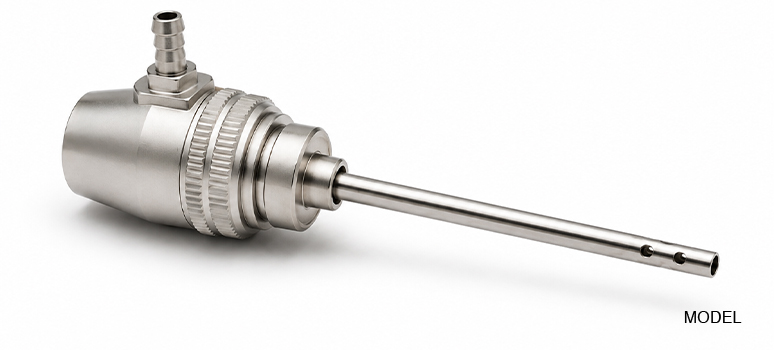
3. Surgical Cannula
- Uses: Commonly used in liposuction, fat grafting, and fluid suction during surgery.
- Features: Blunt or sharp tips, with specific hole configurations for efficient suction.
4. Arterial Cannula
- Uses: Blood pressure monitoring or arterial blood sampling.
- Features: More rigid and specifically designed to withstand arterial pressure.
5. Cardiac Cannula
- Uses: Cardiopulmonary bypass procedures.
- Features: Designed for quick, large-volume fluid transfer.
6. Winged Infusion Cannula (Butterfly Cannula)
- Uses: Short-term venous access.
- Features: Flexible “wings” for easier handling and stabilization.
Cannula Uses Across Medical Fields
The uses of cannulas are extensive, varying by medical specialty:
In Intravenous Therapy
- Purpose: Deliver fluids, blood, and medications directly into the bloodstream.
- Benefit: Quick absorption and immediate therapeutic effect.
In Respiratory Care
- Purpose: Oxygen supplementation through nasal cannulas.
- Benefit: Provides continuous, non-invasive oxygen delivery.
In Surgical Procedures
- Purpose: Used for fluid aspiration, fat extraction, and tissue handling.
- Benefit: Minimizes bleeding and enhances surgical precision.
In Aesthetic Medicine
- Purpose: Dermal filler injections using blunt-tip cannulas.
- Benefit: Reduces patient discomfort, bruising, and swelling.
In Emergency Situations
- Purpose: Rapid intravenous access using large-bore cannulas.
- Benefit: Allows rapid resuscitation during trauma or cardiac arrest. Quick resuscitation during trauma or cardiac arrest.
How to Select the Right Cannula: Expert Tips from Robbins Instruments
When selecting a cannula, consider the following:
1. Gauge Size
- Smaller gauges (higher numbers) for sensitive procedures.
- Larger gauges (lower numbers) for rapid fluid administration.
2. Length of the Shaft
- Shorter cannulas for superficial veins.
- Longer cannulas for deep or central access.
3. Tip Configuration
- Sharp bevels for quick punctures.
- Blunt tips for delicate soft-tissue navigation.
4. Material Composition
- Stainless steel shafts for rigidity.
- Silicone cannulas for flexibility and patient comfort.
5. Intended Use
- Always align cannula selection with the medical procedure’s requirements.
At Robbins Instruments, we offer a full range of premium cannulas engineered for safety, efficiency, and comfort.
Common Mistakes to Avoid When Using Cannulas
- Incorrect Gauge Selection: Using a cannula that is either too large or too small for the intended procedure.
- Improper Insertion Angle: This can cause vein damage or infiltration.
- Failure to Secure Cannula: Movement can cause dislodgement or phlebitis.
- Using Expired Cannulas: Always check the sterilization date.
- Neglecting Proper Sterilization: Cross-contamination is a significant risk.
How Robbins Instruments Ensures Quality Cannulas
Robbins Instruments is committed to providing high-quality cannulas and surgical tools that meet the rigorous standards of modern healthcare. Our cannulas are:
- Manufactured from Medical-Grade Materials: To ensure strength and biocompatibility.
- Individually Sterile Packaged: To maintain maximum hygiene.
- Available in Various Sizes and Types: To meet the diverse needs of medical professionals.
- Tested for Safety and Performance: Ensuring reliability in critical procedures.
Choosing Robbins Instruments means choosing precision, safety, and premium quality.
Conclusion: The Critical Role of Cannulas in Modern Medicine
Cannulas are indispensable tools that quietly support some of the most critical procedures in healthcare from life-saving intravenous therapies to delicate cosmetic treatments. Understanding the parts of cannula, the types of cannulas, and their various uses equips medical professionals with the knowledge to make informed choices, ensuring both patient safety and procedural success.
Whether you’re selecting a cannula for intravenous access, oxygen delivery, surgical suction, or aesthetic injections, each component from the hub to the bevel plays a crucial role in the tool’s performance. Selecting the right cannula is more than a technical choice—it is a commitment to quality care.
At Robbins Instruments, we are proud to supply a wide range of premium cannulas that meet the highest standards for precision, safety, and reliability. Our dedication to excellence helps healthcare providers around the world deliver better outcomes every day.
We invite you to explore our range of cannulas and surgical instruments to find the best solution for your clinical needs. If you found this guide helpful, please feel free to share it, leave your comments, or reach out to our team for expert product recommendations.
Your patients deserve the best and Robbins Instruments is here to help you deliver it.
FAQS
1. What are the main parts of a cannula?
The primary parts of a cannula include the hub, shaft (tube), bevel (tip), needle (if applicable), and protective cap. Each component plays a crucial role in the cannula’s function and safety.
2. What are the common types of cannulas?
Common types include intravenous (IV) cannulas, nasal cannulas, surgical cannulas, arterial cannulas, cardiac cannulas, and butterfly (winged infusion) cannulas.
3. What are cannulas used for in medical practice?
Cannulas are used for administering fluids or medications, oxygen therapy, surgical suction, aesthetic treatments, and emergency venous access.
4. How do I choose the correct cannula size?
Selection depends on the procedure type, required flow rate, patient’s vein size, and the desired speed of administration. Gauge size and shaft length are key factors.
5. Why should I trust Robbins Instruments for cannulas?
Robbins Instruments provides high-quality, precision-engineered cannulas that adhere to strict safety standards. Our cannulas are reliable, sterile, and designed to meet diverse clinical needs.